
Before and after
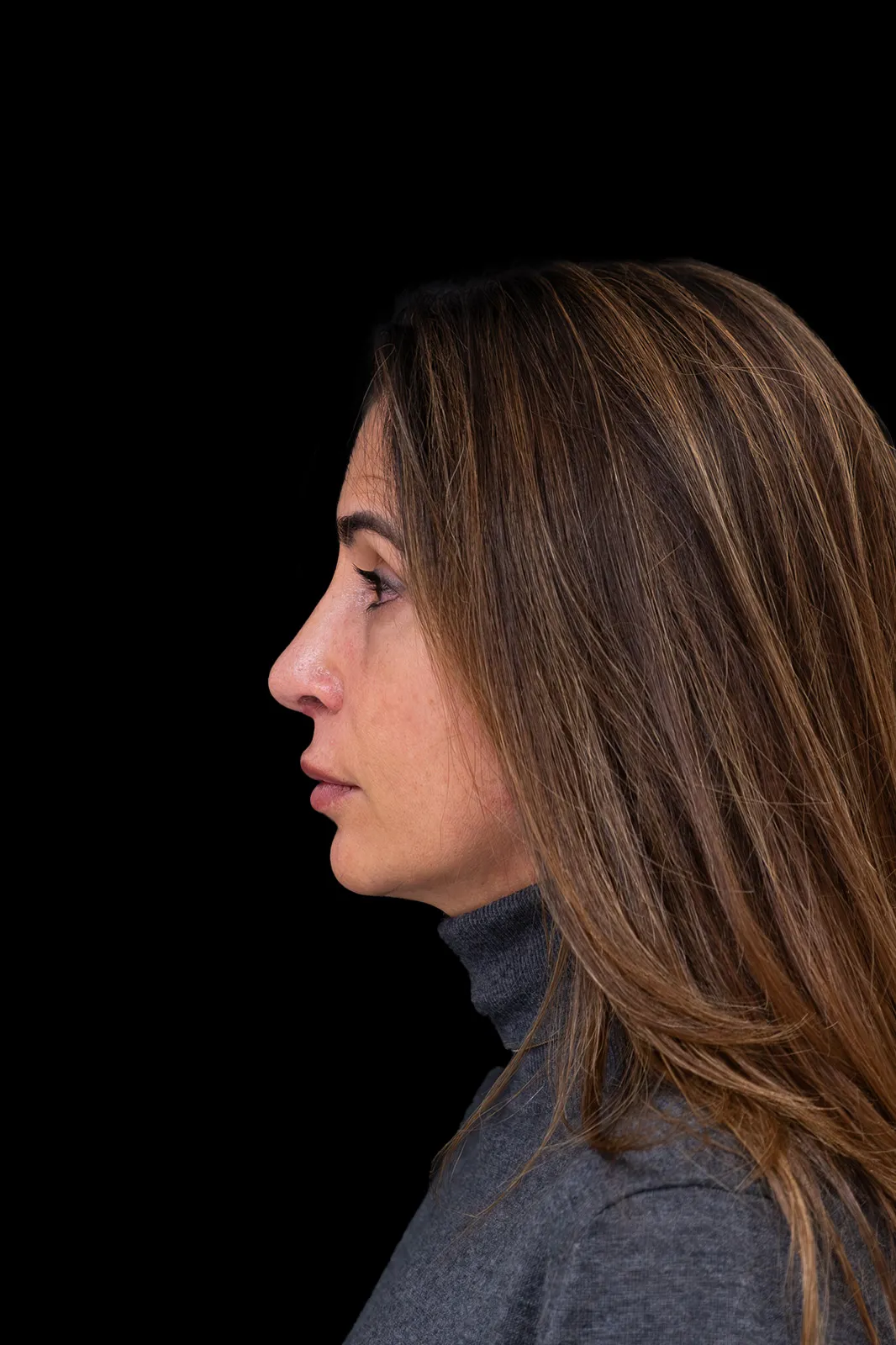
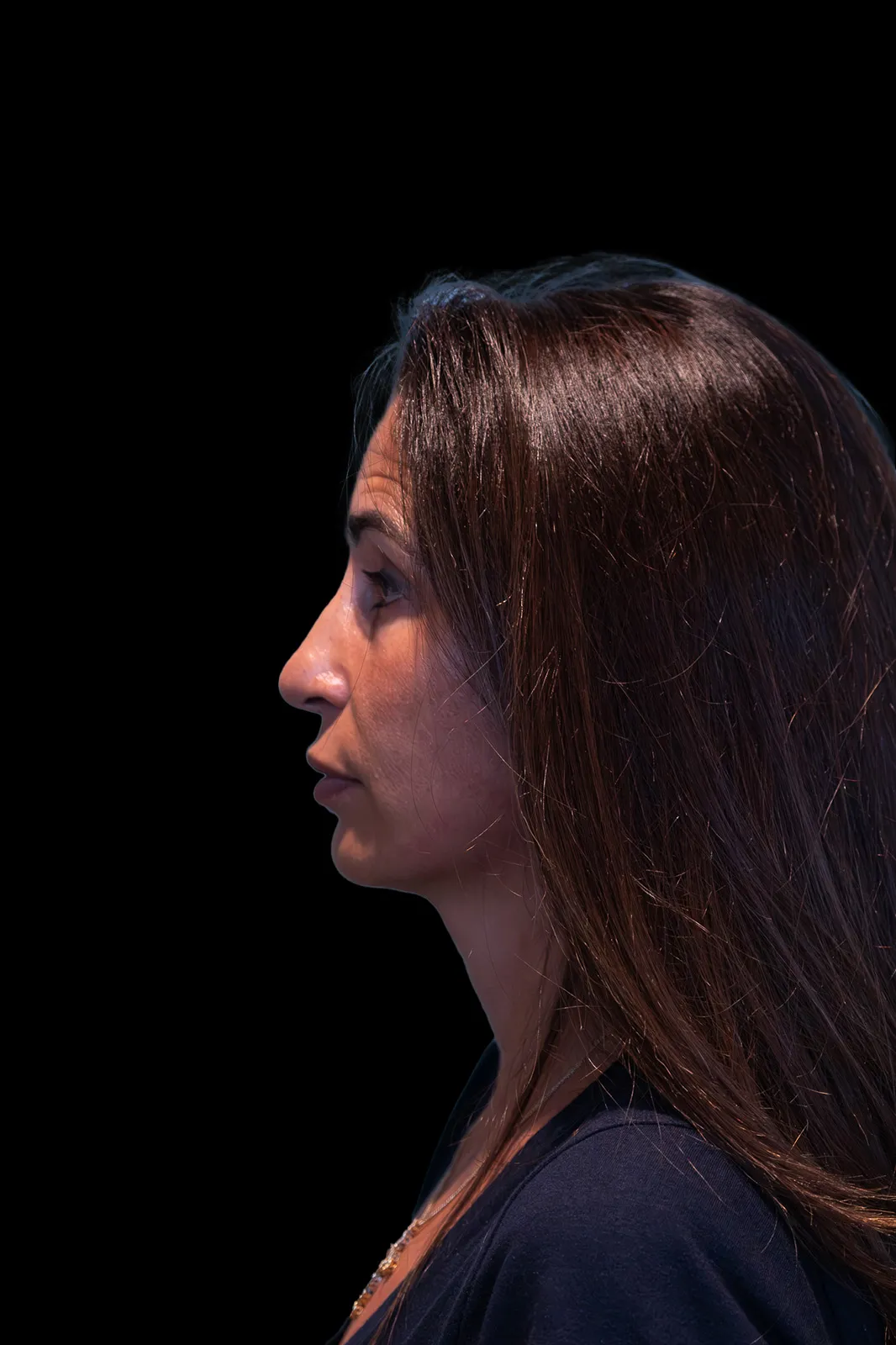
Real rhinoplasty before and after cases: primary, secondary and nasal reconstruction, operated on by Dr. Guilemany in Barcelona.
Real results
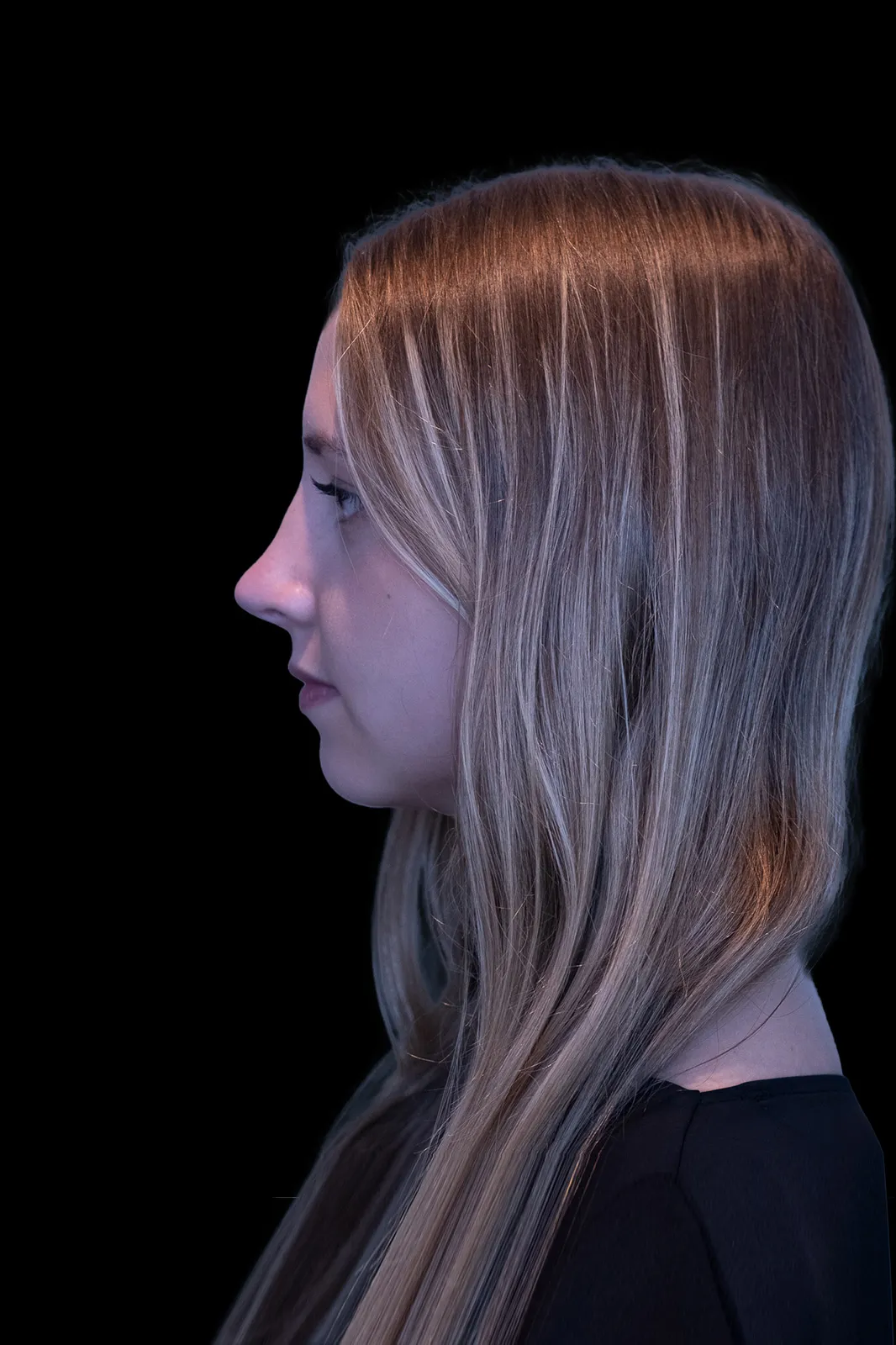
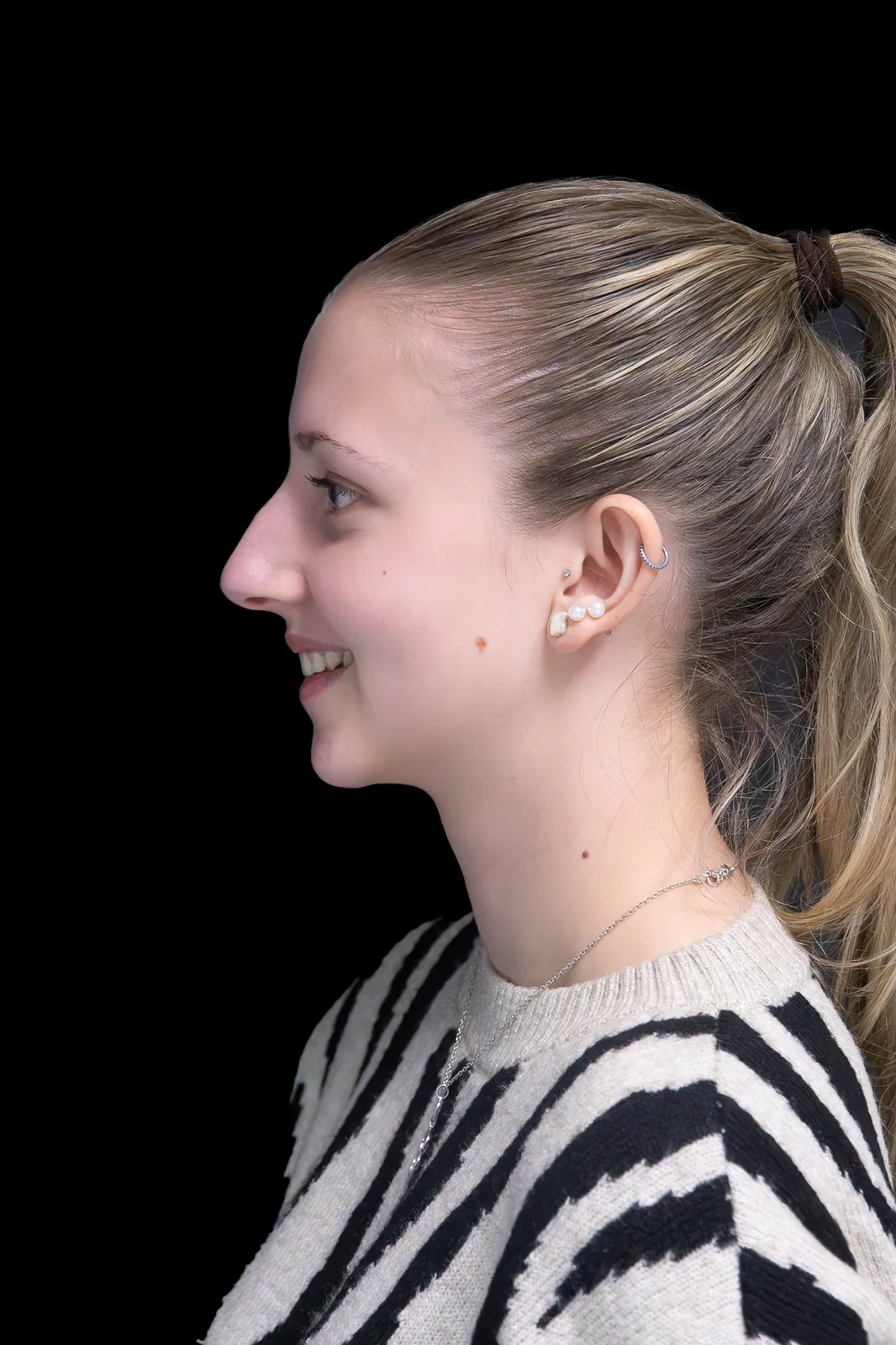
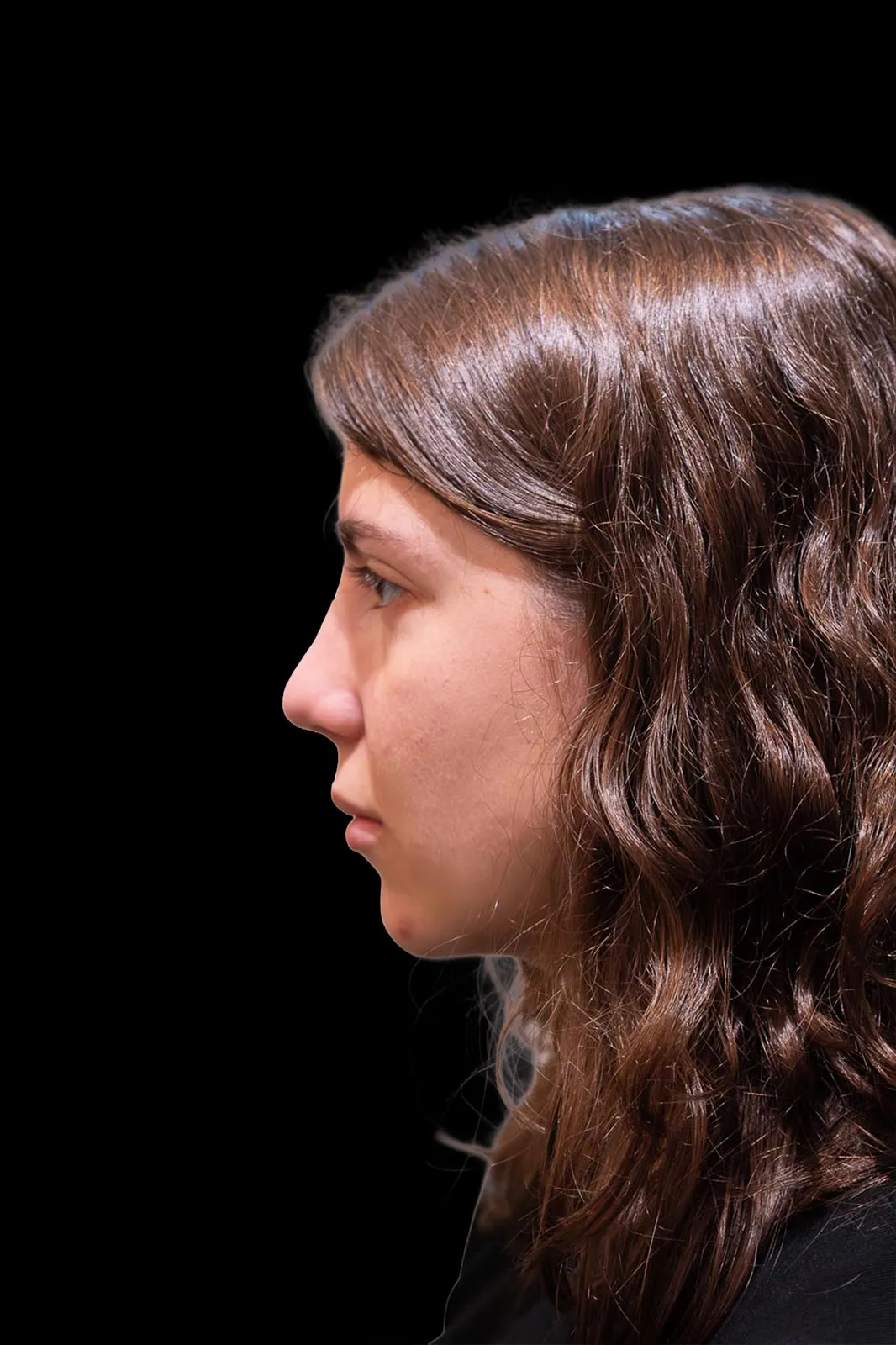
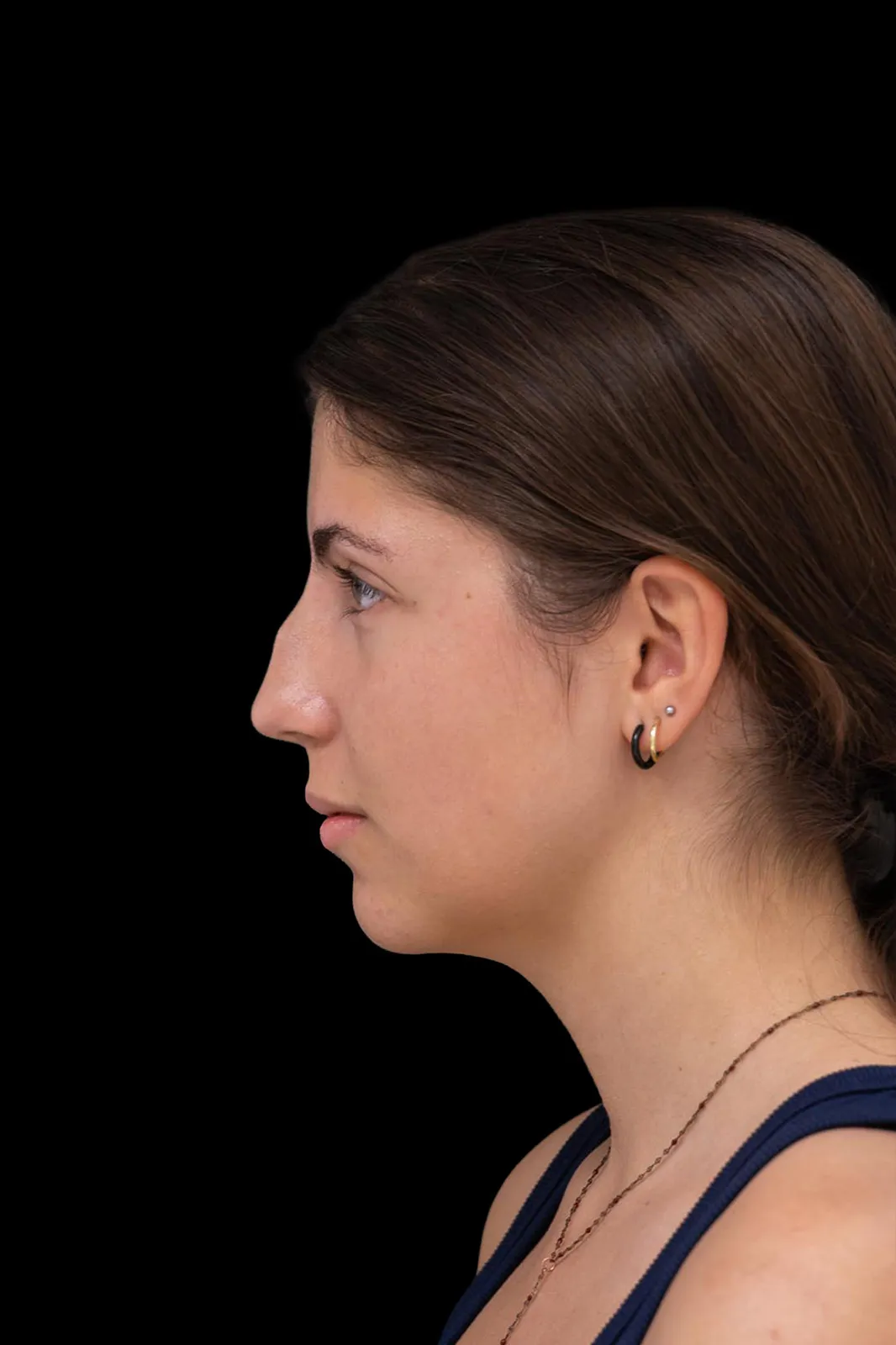
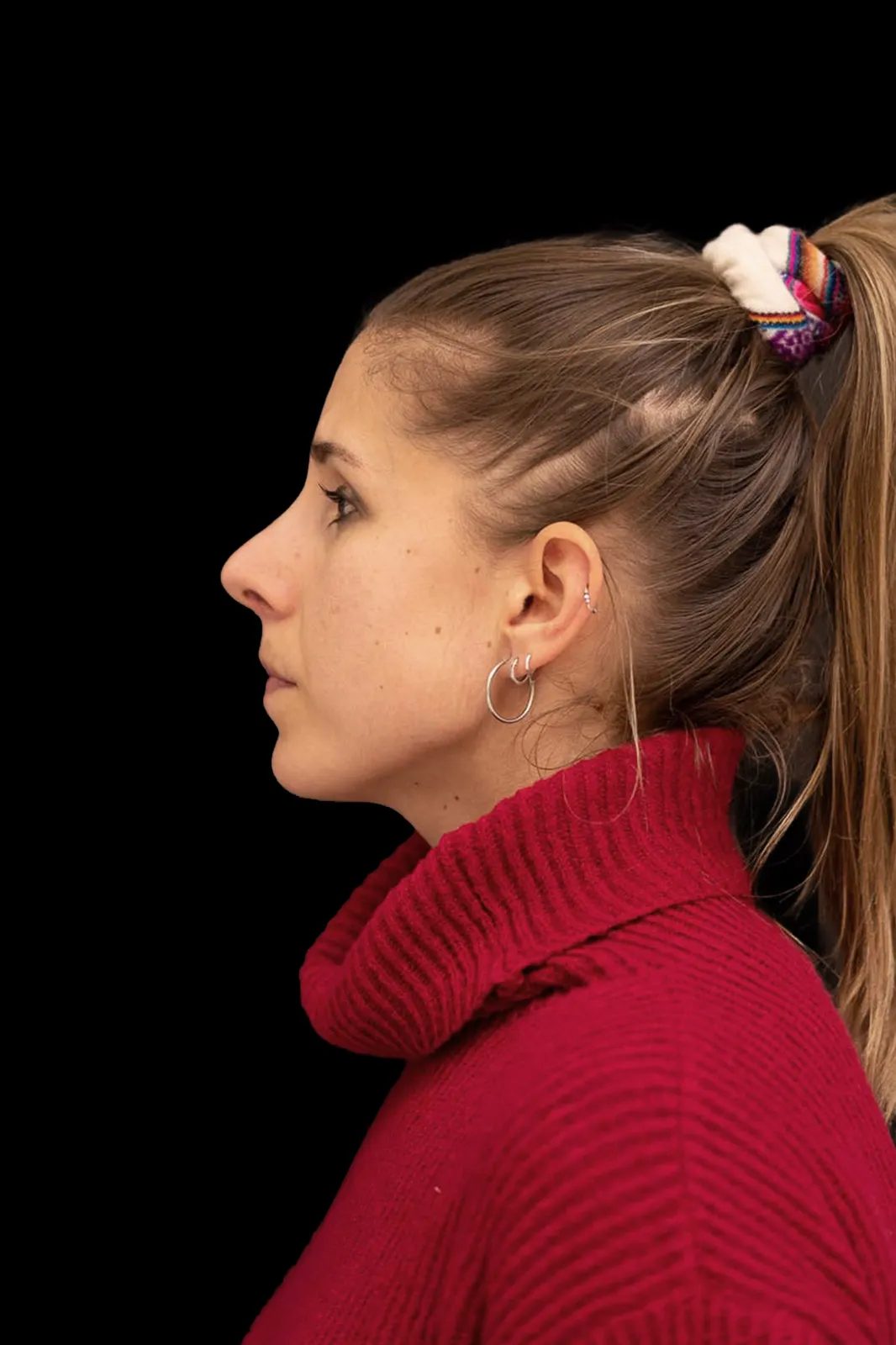
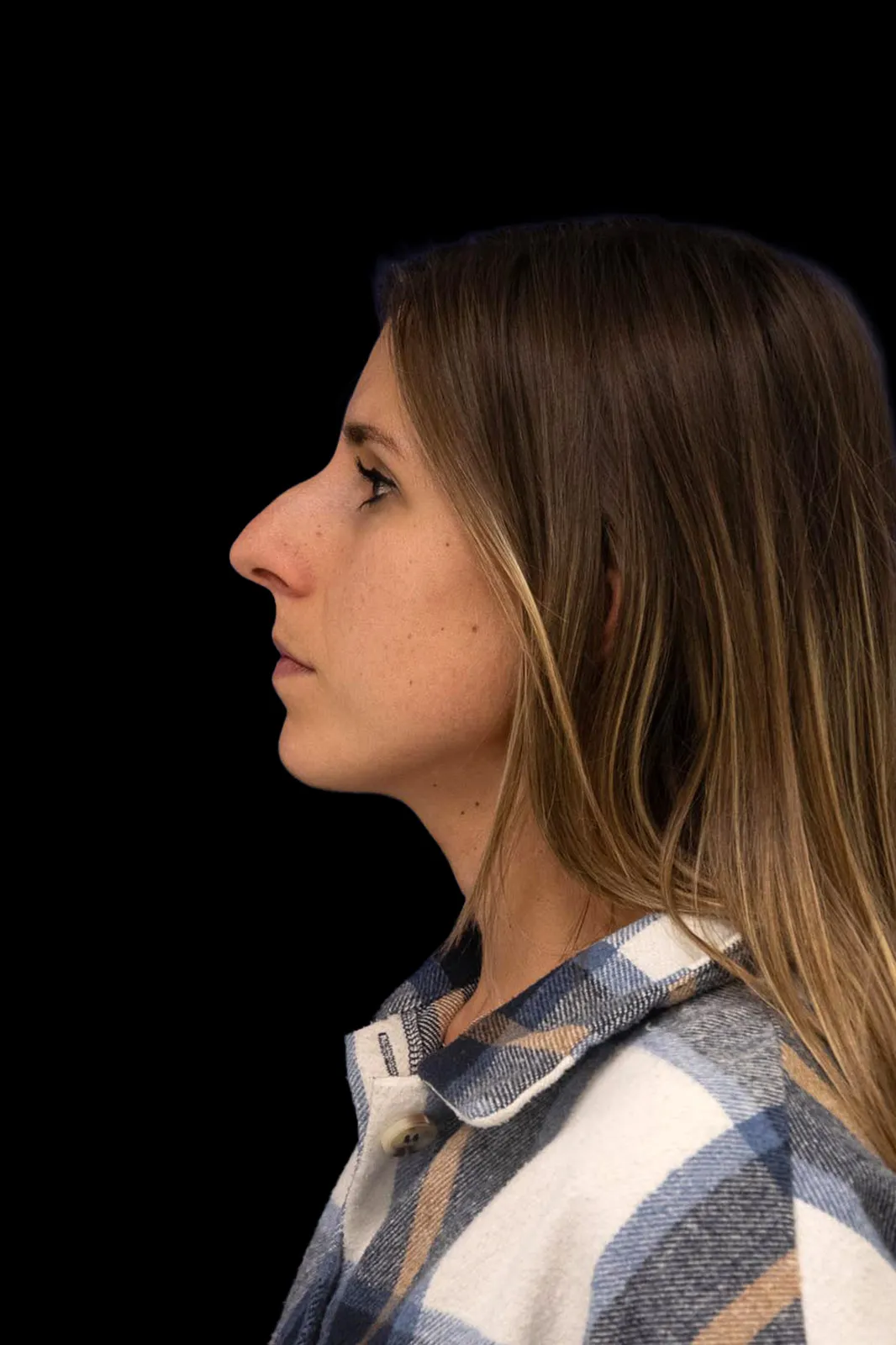
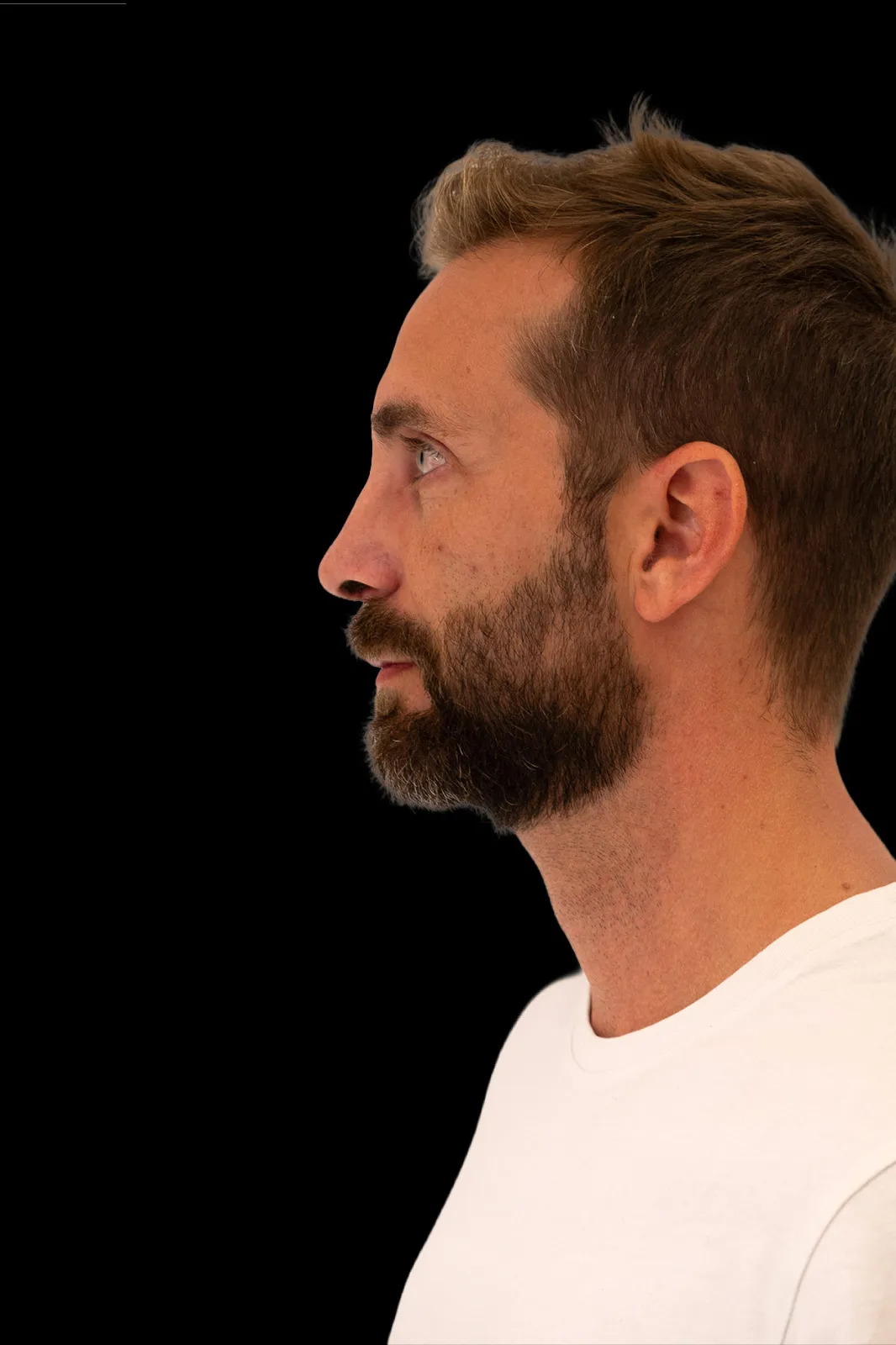
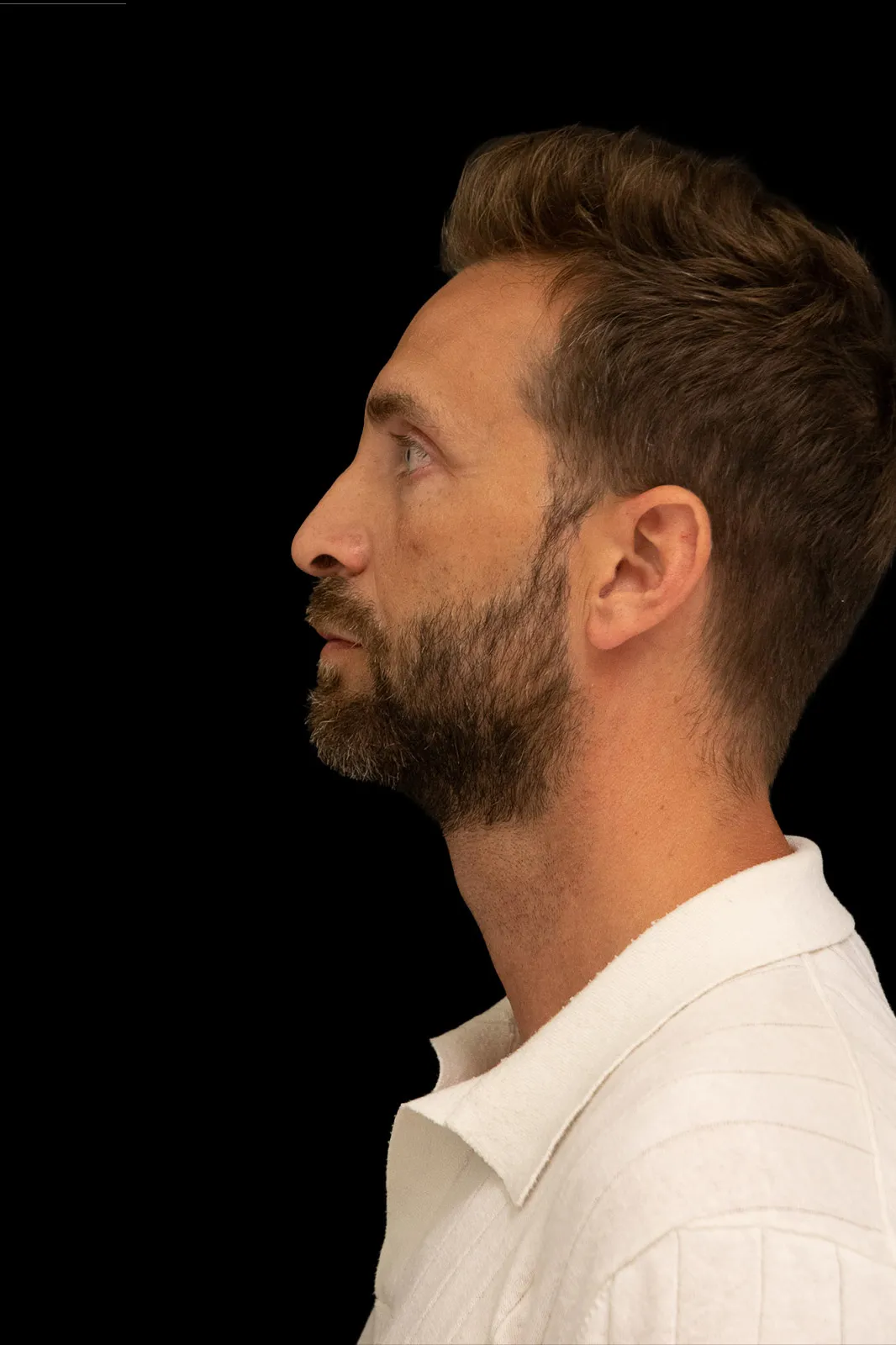
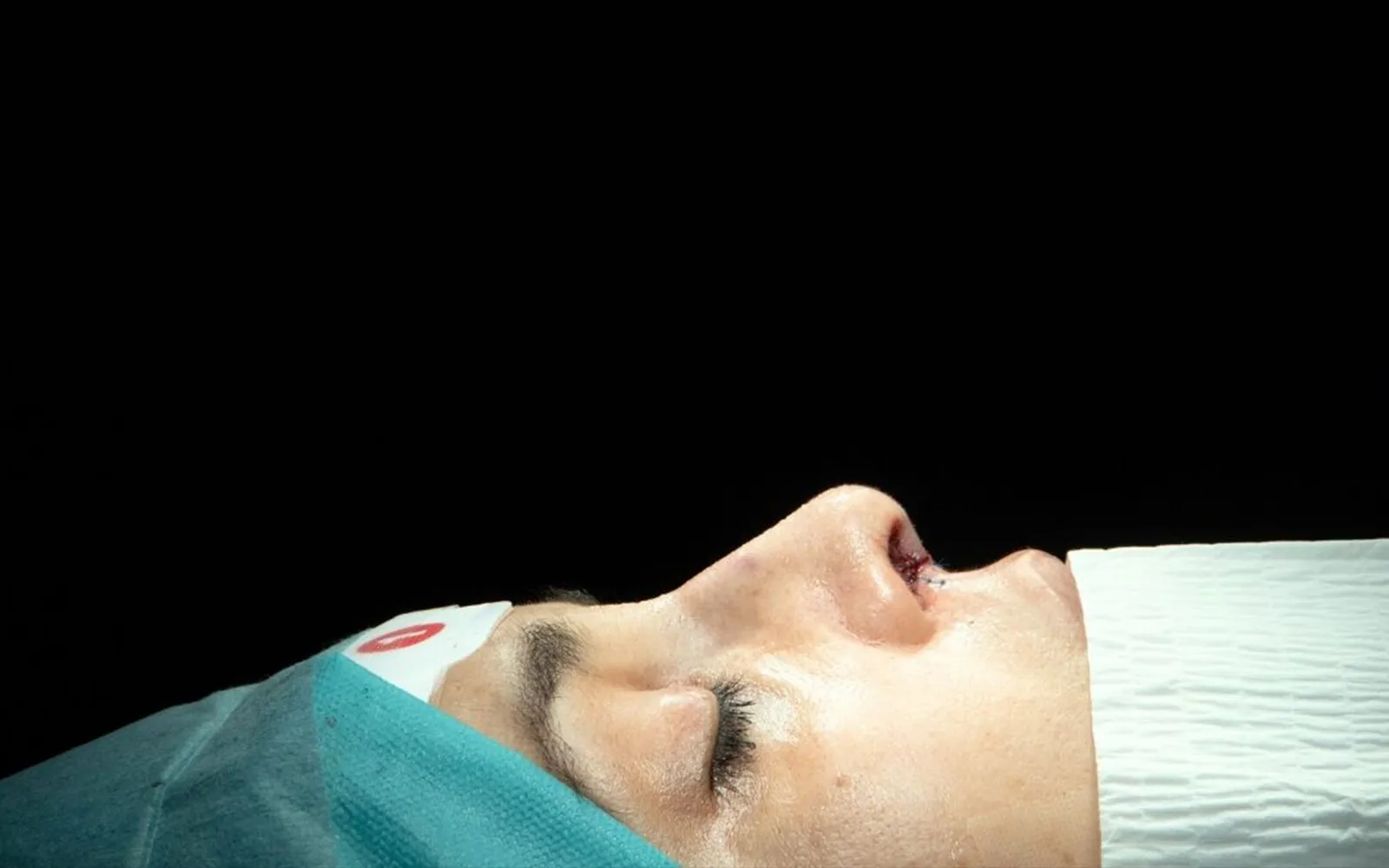
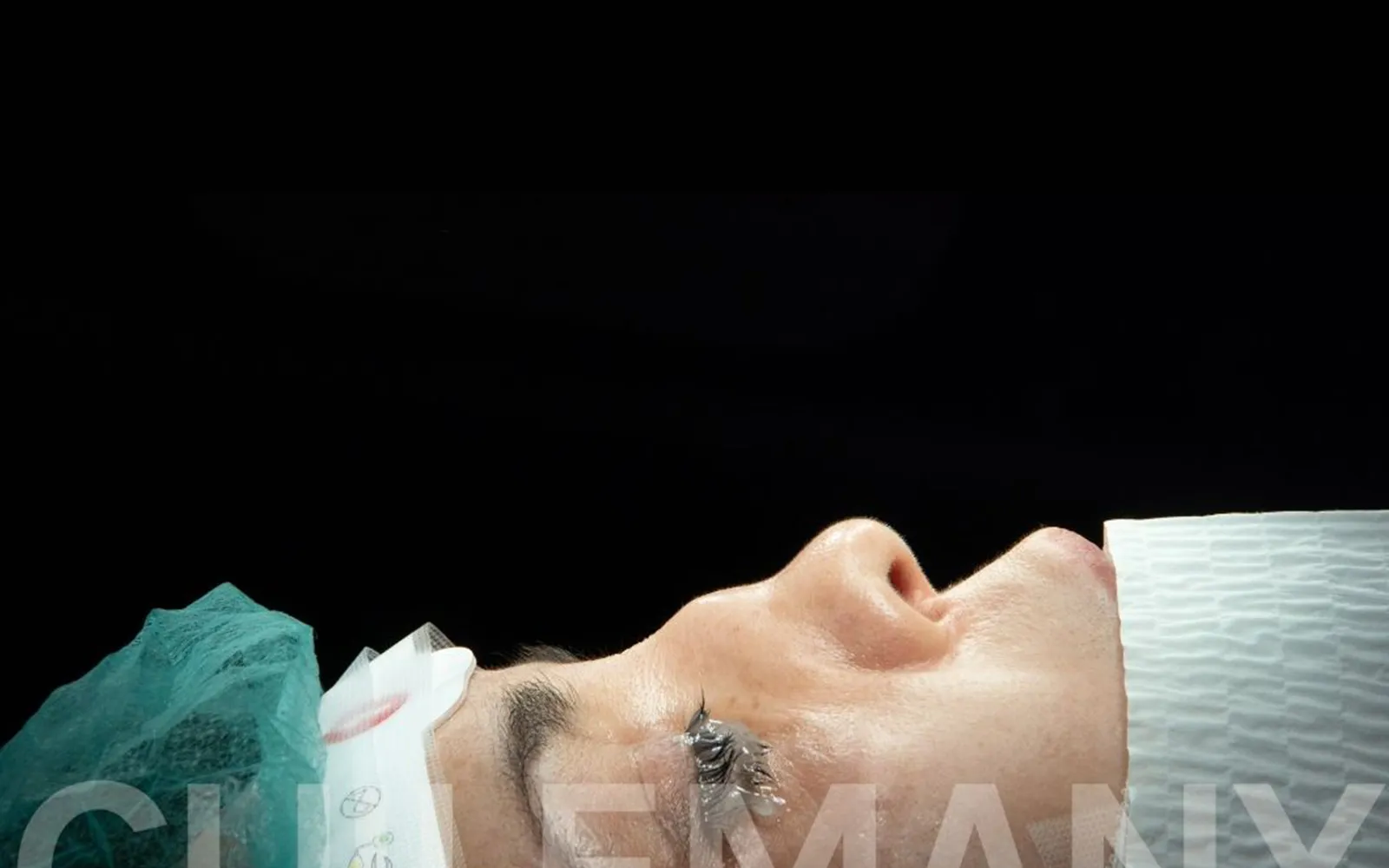
Drag the orange bar to compare each rhinoplasty before and after case. These are real patients operated on by Dr. Guilemany: primary rhinoplasty, secondary rhinoplasty and nasal reconstruction.
What you need to know before surgery
- Smoking: Smoking can adversely affect the results of surgery. It is scientifically established that smokers heal worse. It is advisable to stop smoking at least 3 weeks before surgery.
- Medication: Some medicines can increase the risk of bleeding, such as vitamin E and herbal remedies (ginkgo biloba, ginseng, garlic tablets). Anticoagulants such as Sintrom and Plavix require special management and must be assessed by the medical team.
Treatment before surgery
The only treatment carried out before surgery is applying Mupirocin every 12 hours. This is a cream to be applied to the skin around both nostrils, avoiding the deep interior of the nose. It should be used for the 3 to 5 days before surgery.
The day of surgery
- Fasting: You must not eat during the 8 hours before surgery, nor drink (including water) during the 6 hours before.
- Anaesthesia: The surgery is carried out under general anaesthetic, which means you will be completely asleep during the procedure. Afterwards you will spend a few hours in the recovery room before being discharged.
After surgery
- Swelling around the eyes and face: Mild to moderate swelling around the eyes and cheekbones is normal during the first 2-3 days after surgery. With ultrasonic techniques this swelling has decreased considerably in both frequency and severity, but it can still occur in some cases. As the days pass, through lymphatic drainage, the swelling may move to the lower part of the cheeks, which is completely normal.
- Bleeding: Slight blood-tinged discharge during the first few days is normal.
- Pain: A feeling of pressure in the nose is common, and any pain is usually mild and short-lived during the first few days.
- Fatigue: Feeling tired during the first few days after surgery is normal.
- Congestion and nasal discharge: During the first two weeks it is common to experience congestion and nasal discharge, similar to a cold. Nasal breathing returns to normal two weeks after surgery. Because of this, there may be a partial or total loss of the sense of smell in the first few days, which recovers over time.
- Post-operative visits: You will have several follow-up visits depending on how many dressings are needed. During the first month we are likely to see you three times to ensure proper follow-up. After the first month, visits become less frequent, with further check-ups at 3, 6 and 12 months.
Recommendations after surgery
Rest is essential, especially during the first week. Even though this is surgery under general anaesthetic with major technological advances behind it, that does not mean an adequate period of rest during the first week can be skipped.
- Do not bend your head down.
- Sleep with your head and torso raised about 15-30 degrees (there is no need to sleep sitting up).
- Avoid talking too much or making forced facial expressions, especially during the first week, as the area will still be healing.
- Applying dry local cold during the first 3-5 days is recommended.
- Sneeze and cough with your mouth open; do not hold them in.
- Do not blow your nose during the first month. Use nasal rinses instead and, if necessary, blow gently without pressing on the nostrils.
- Avoid very hot, spicy or hard foods that require heavy chewing. It is advisable to cut food into small pieces so you do not have to open your mouth wide. Even so, you can follow a practically normal diet within these guidelines.
- Do not wear glasses during the first month. However, while you are wearing the splint in the first post-operative days, wearing them temporarily is acceptable. There is no problem wearing contact lenses from the start.
- Avoid any kind of sport during the first month. This includes weight training, fitness classes and similar. In specific cases, and depending on your progress, you may be able to do impact-free exercise such as the elliptical trainer or a stationary bike.
Treatment after surgery
- Pain relief: a treatment for managing pain will be prescribed.
- Antibiotics: an oral antibiotic and an antibiotic cream will be prescribed to prevent infection.
- Nasal rinses: From the day after surgery, nasal rinses are carried out, except in the few patients who need nasal packing.
- Rib cartilage: If rib cartilage has been used in a primary, revision or nasal reconstruction surgery, nothing in that area should be touched until the first medical check-up.
Contact us now
Book your appointment straight from here, or tell us about your case. We call you back within 24 hours.
Frequently asked questions about before and after
When is the result of a rhinoplasty visible?
The change is visible from the moment the splint is removed (at about a week), but the definitive result settles between 6 and 12 months, once the swelling of the nasal tip has fully gone down.
Do the results look natural?
Yes. The aim is a nose in harmony with the rest of the face, not an "operated" nose. The ultrasonic technique reinforces and rebuilds the structure to achieve natural, lasting results.
Can I see a simulation of my result before surgery?
Yes. At the first consultation we carry out a photographic study with a simulation so you can get an idea of the approximate result before deciding. Book your assessment.
Are the before and after photos of real patients?
Yes, they are real cases operated on by Dr. Guilemany. Drag the bar on each comparison to see the before and the after.
Personalised treatment for every case
Tell us about your case and which aspects of your nose you would like to improve, and we will advise you with no obligation.
Book a consultation and tell us about your caseWhat our patients say ★★★★★ on Google
4.7 out of 5 · 164 reviews on Google
See all reviews on Google