
Revision rhinoplasty
Secondary rhinoplasty and nasal revision surgery in Barcelona. A specialist in correcting a previous nose operation with ultrasonic technique.
Revision rhinoplasty, also known as secondary rhinoplasty or second rhinoplasty, is the surgery that corrects the result of a previous nose operation. When the first procedure has not achieved the expected aesthetic or functional balance, re-operating on the nose makes it possible to restore both nasal shape and breathing with a personalised approach.
What is a secondary rhinoplasty?
Secondary rhinoplasty is the nasal revision surgery carried out after a previous rhinoplasty. It can correct asymmetries, deformities of the dorsum or the tip, breathing obstruction or unnatural results. Technically it is more complex than a primary rhinoplasty because the tissues have already healed and the available cartilage is usually limited.
When should a previous rhinoplasty be corrected?
It is worth considering correcting a rhinoplasty when, after the full healing period (usually from 12 months onwards), aesthetic or functional problems persist. Common reasons: difficulty breathing, a drooping or crooked tip, an irregular dorsum, a nose that is too small or over-operated, or a result that does not match what was agreed at the consultation.
A secondary rhinoplasty specialist in Barcelona
Dr. José Mª Guilemany is a surgeon experienced in secondary rhinoplasty, with more than 25 years of practice and over 3,000 nose surgeries. He approaches every re-operation by combining ultrasonic technique, reconstruction with cartilage grafts and a prior functional assessment, to restore facial harmony and proper breathing.
Revision rhinoplasties involve additional challenges, such as:
The need for cartilage: There is an increased need to use rib cartilage, for two main reasons:
- 1.A lack of adequate grafts in the primary surgery, or excessive resection of the patient’s own cartilage, both at the tip and on the nasal dorsum. These situations usually leave insufficient septal cartilage for a new operation.
- 2.Previous surgery or the patient’s age: In many cases, septal cartilage has already been removed in the primary surgery. In addition, in revisions carried out from the age of 40 onwards, the septum tends to ossify, which reduces the amount of septal cartilage available.
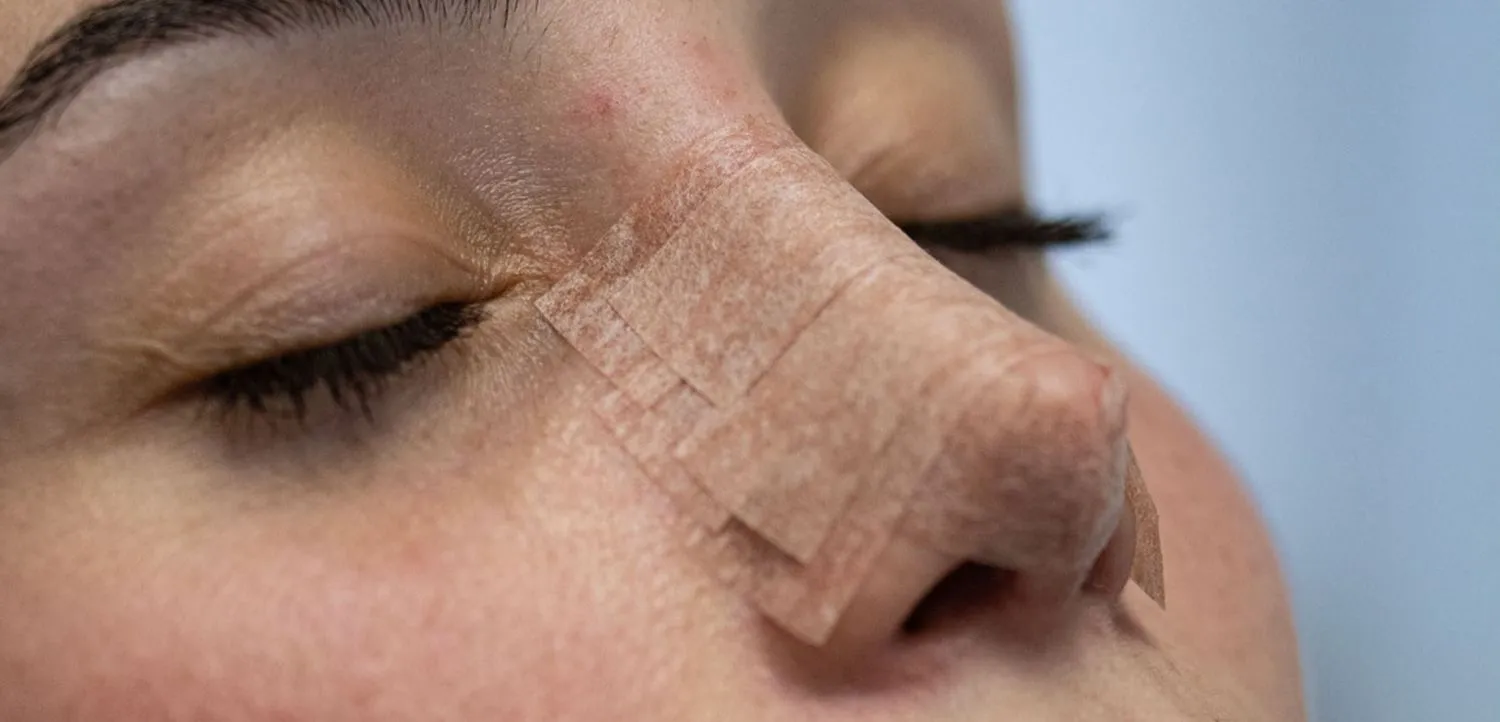
How we do it
The emotional impact of a failed rhinoplasty can be devastating. Instead of the long-awaited improvement to the nose, whether functional, aesthetic or both, the patient can be left with a disappointing result, an unfamiliar face and, in many cases, nasal function worse than before.
The outer contour must be smooth and attractive, while the internal airway must be wide enough to allow comfortable nasal airflow. Once restructured, the whole framework must be strong enough to withstand the distorting forces that skin and soft tissue exert over the long term during healing.
In our practice we approach each case with the greatest empathy, technical precision and a personalised approach, rebuilding both nasal shape and nasal function to give the patient back not only their confidence but also a full quality of life.
Repairing the damage from a previous rhinoplasty
Restoring a surgically damaged nose may look straightforward at first glance, but the medical and artistic challenge involved is considerable. In fact, in most cases it is far more complex than performing an initial rhinoplasty.
Fine, delicate skeletal components have to be recreated with three-dimensional precision to reinforce or replace structures that may be collapsed, twisted or even absent. Each component must be made with a mirror symmetry that matches its counterpart on the other side. The reconstructed structure must also be perfectly aligned on the vertical axis so that it looks straight.
The outer contour must be smooth and attractive, while the internal airway must be wide enough to allow comfortable nasal airflow. Once restructured, the whole skeletal framework must be strong enough to withstand the distorting forces that skin and soft tissue exert over the long term during healing.
For these reasons, restoring a failed rhinoplasty — commonly known as revision rhinoplasty — is widely regarded as one of the greatest challenges in aesthetic surgery.
Using cartilage grafts in rhinoplasty
In revision rhinoplasty, as in primary rhinoplasty, graft material is needed in 99% of cases.
- Graft material: The graft material is usually cartilage taken from the patient themselves (autologous), and it is used to replace damaged or absent skeletal tissue. Even in patients who want a smaller, more delicate nose, a cartilage graft can be essential to guarantee long-term functional and aesthetic results.
- Graft sources: There are three main sources of spare cartilage in the human body, each with unique characteristics of shape, size and consistency: septal cartilage, rib cartilage and auricular (ear) cartilage.
Soft tissue damage in revision rhinoplasty
A distinctive feature of revision rhinoplasty is the unavoidable presence of soft tissue damage as a result of previous nasal surgery. The soft tissues covering the nasal skeleton — skin, muscle, fascia and fat — are inevitably injured during any rhinoplasty.
In fact, in many cases the limiting factor in revision rhinoplasty is not rebuilding the skeletal framework but the inflammatory reactions of the soft tissue. Even a well-structured nasal skeleton can be adversely affected by unfavourable inflammation and excessive scarring.
Risk factors in tissue with compromised circulation
In patients with severely impaired circulation, such as those who have had multiple previous rhinoplasties, the likelihood of complications increases considerably. These complications can include:
- Graft resorption.
- Infection.
- Skin necrosis (tissue death).
The risk increases further if the patient has additional factors such as:
- Smoking.
- Cocaine use.
- Excessive inflammation.
- Diabetes.
- Taking medication or supplements that affect circulation.
In this group of patients, even the best surgical technique can be limited by poor circulatory conditions, which may lead to less satisfactory results. Smoking is not compatible with revision surgery or nasal reconstruction.
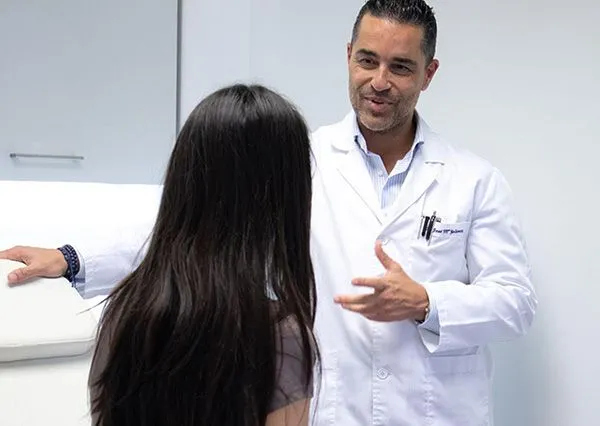
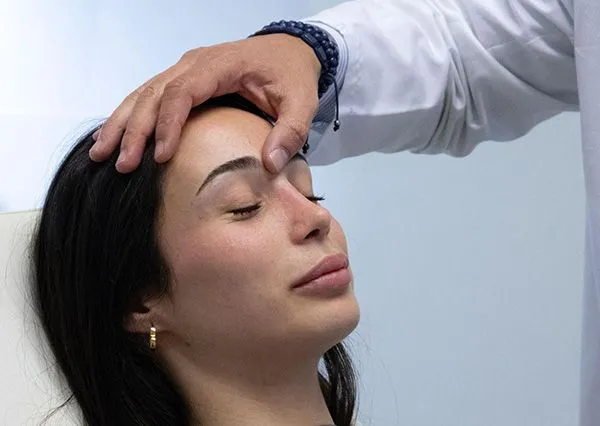
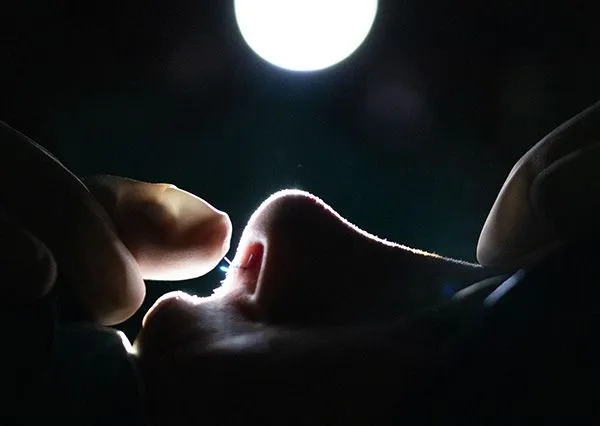
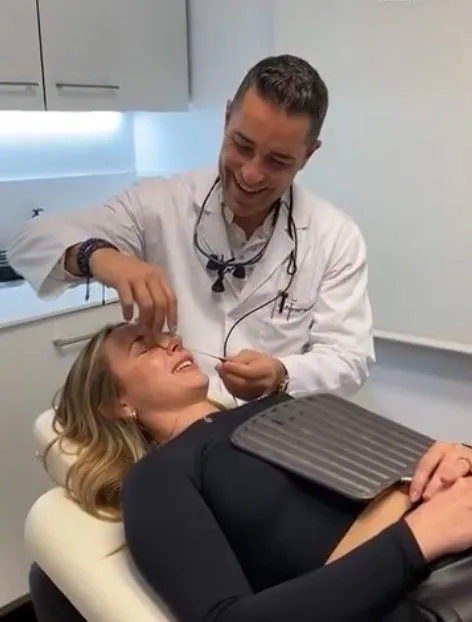
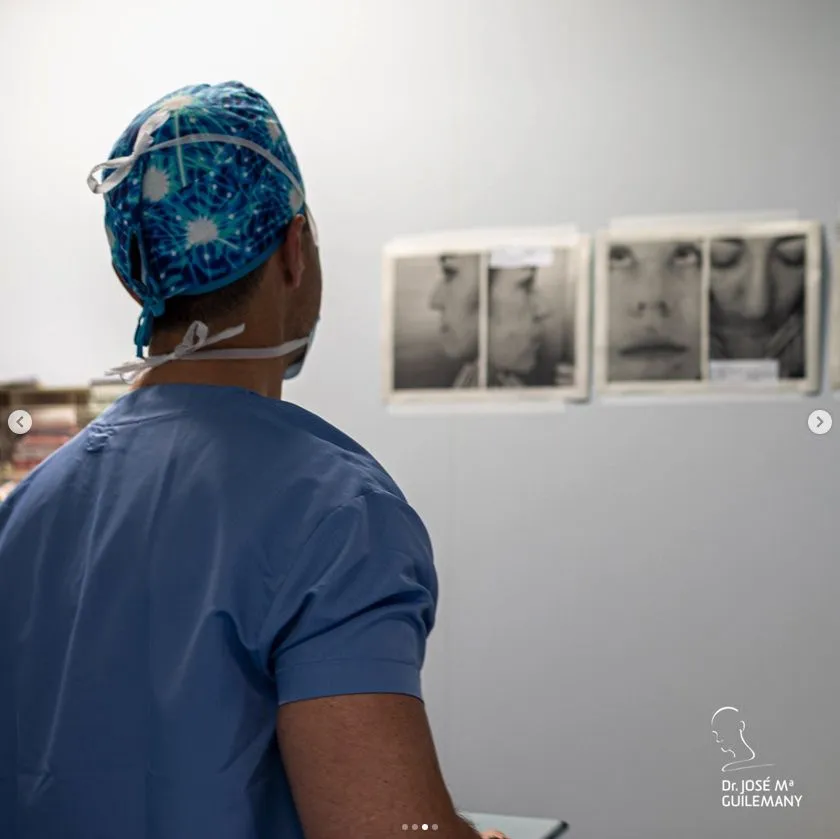
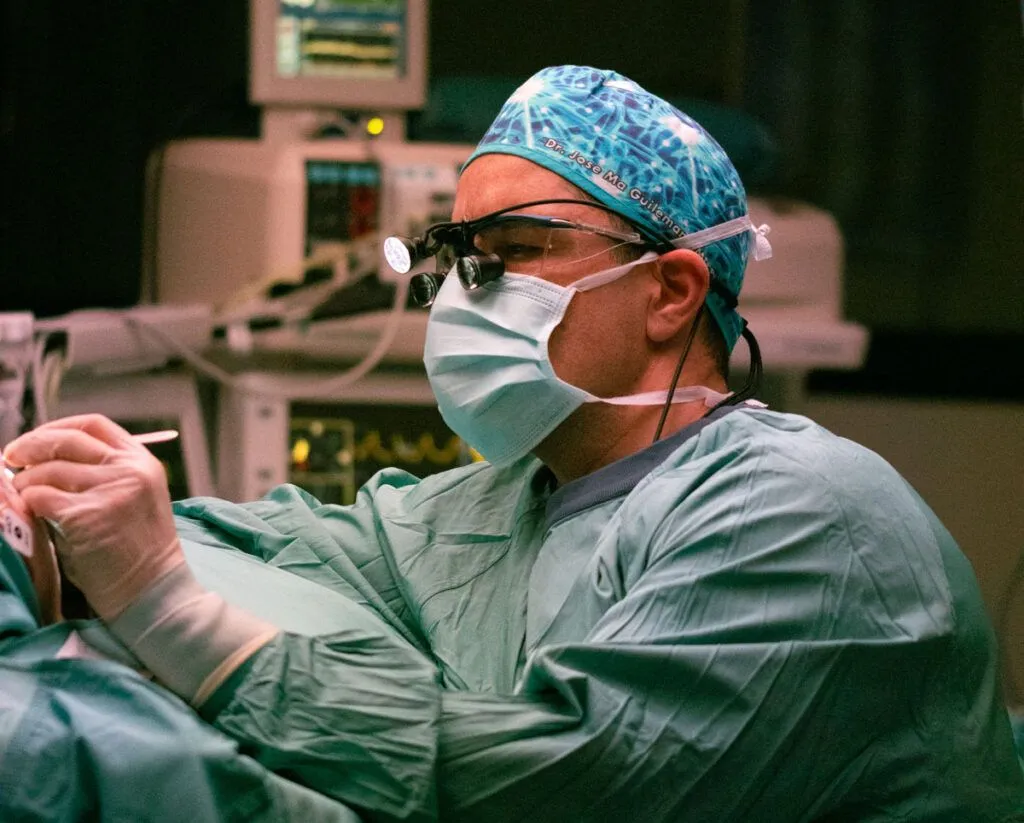
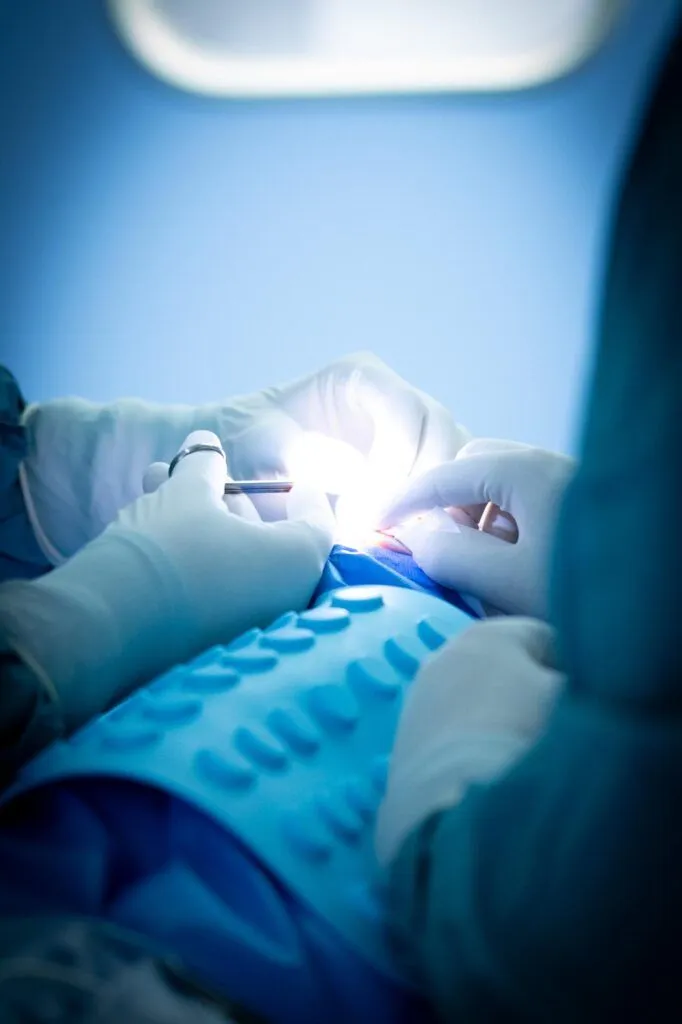
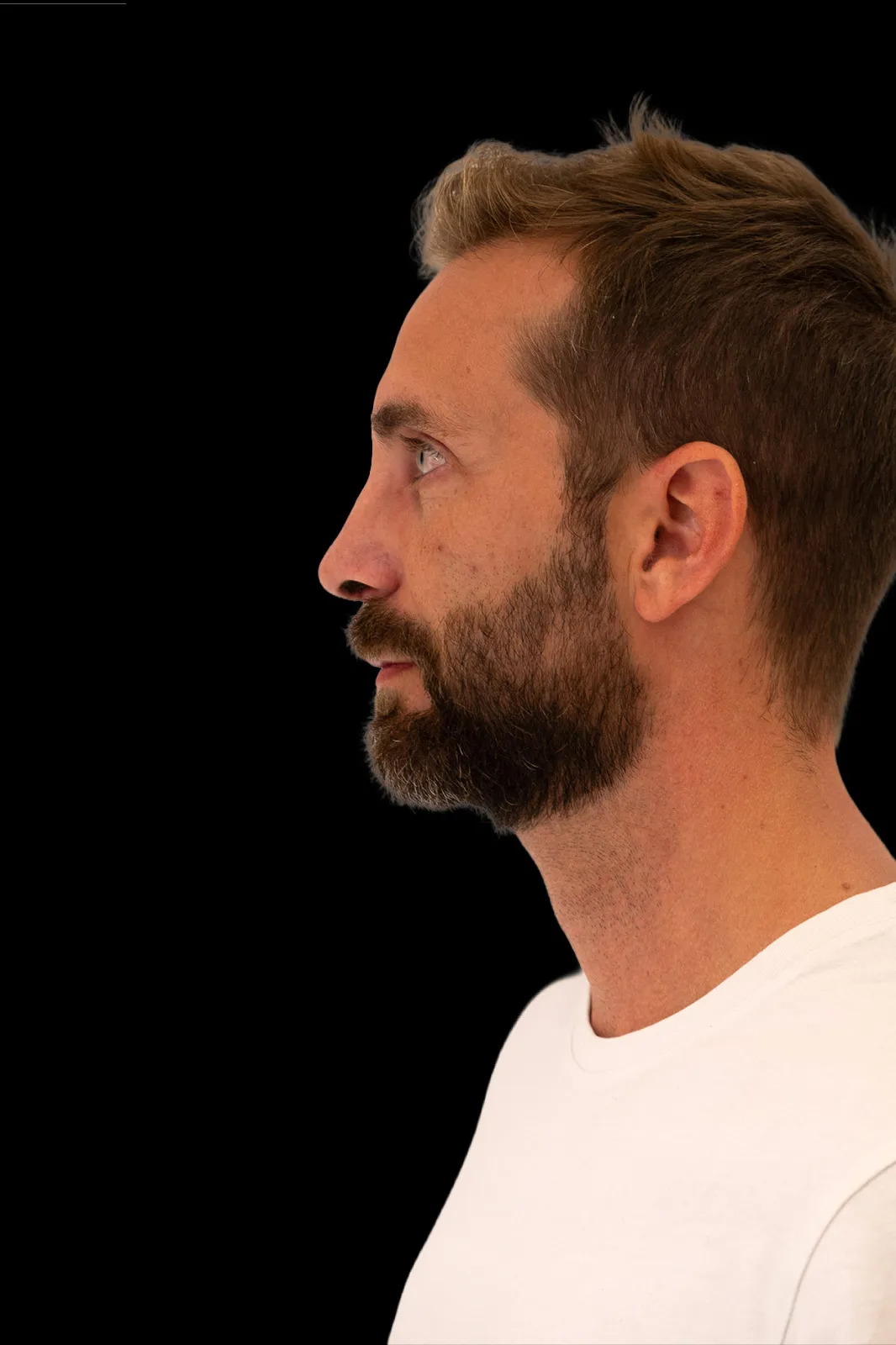
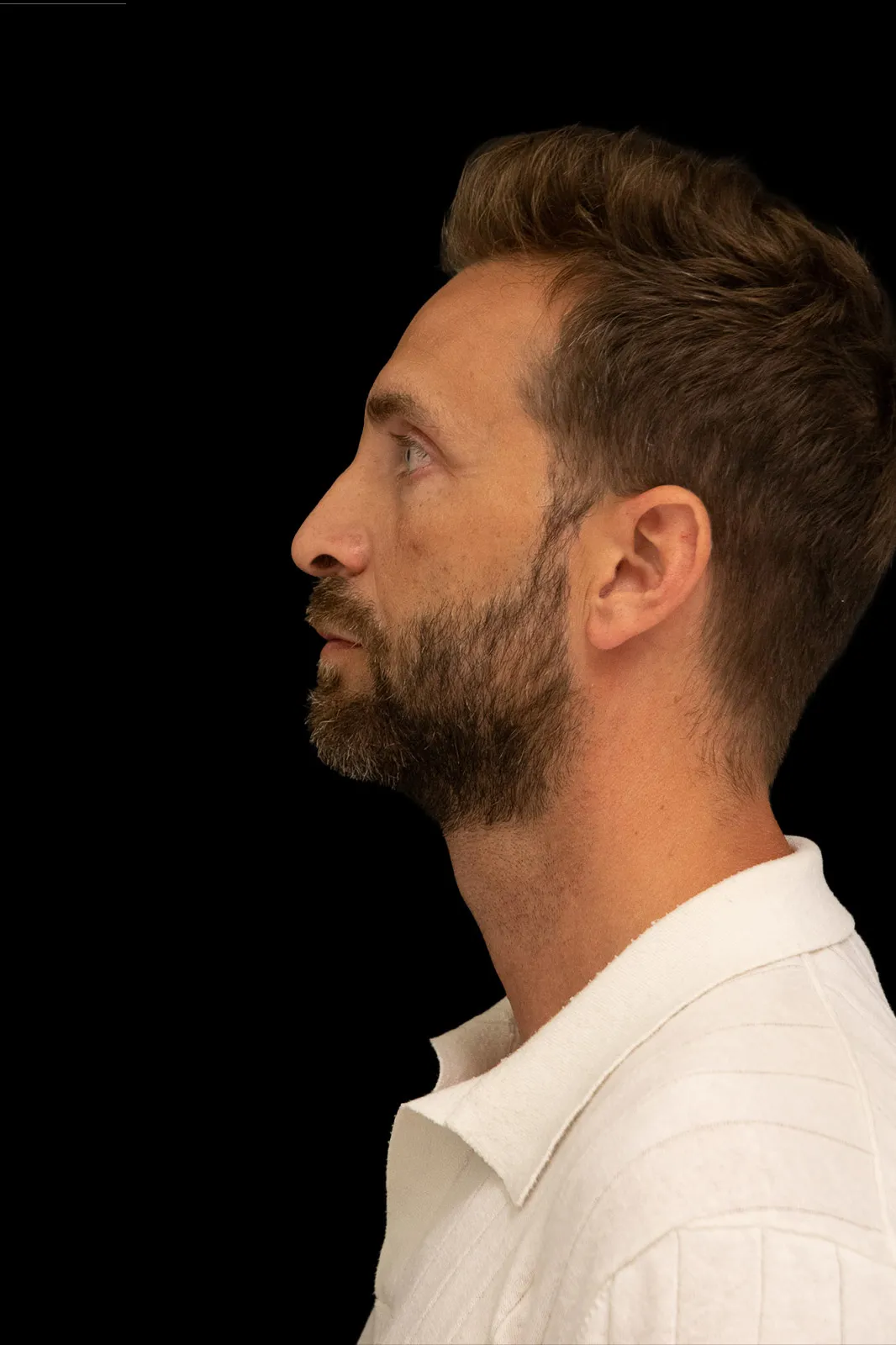
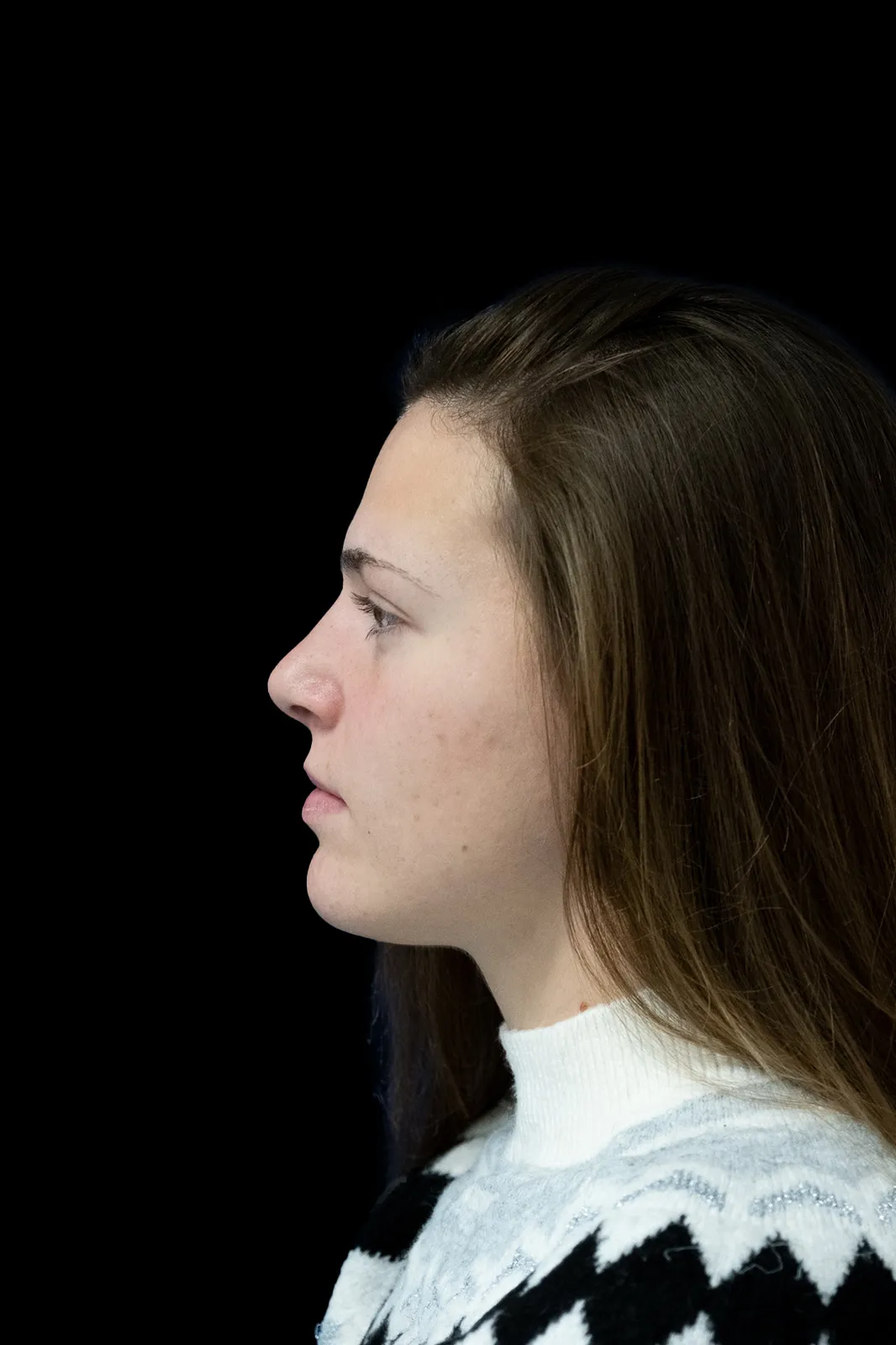
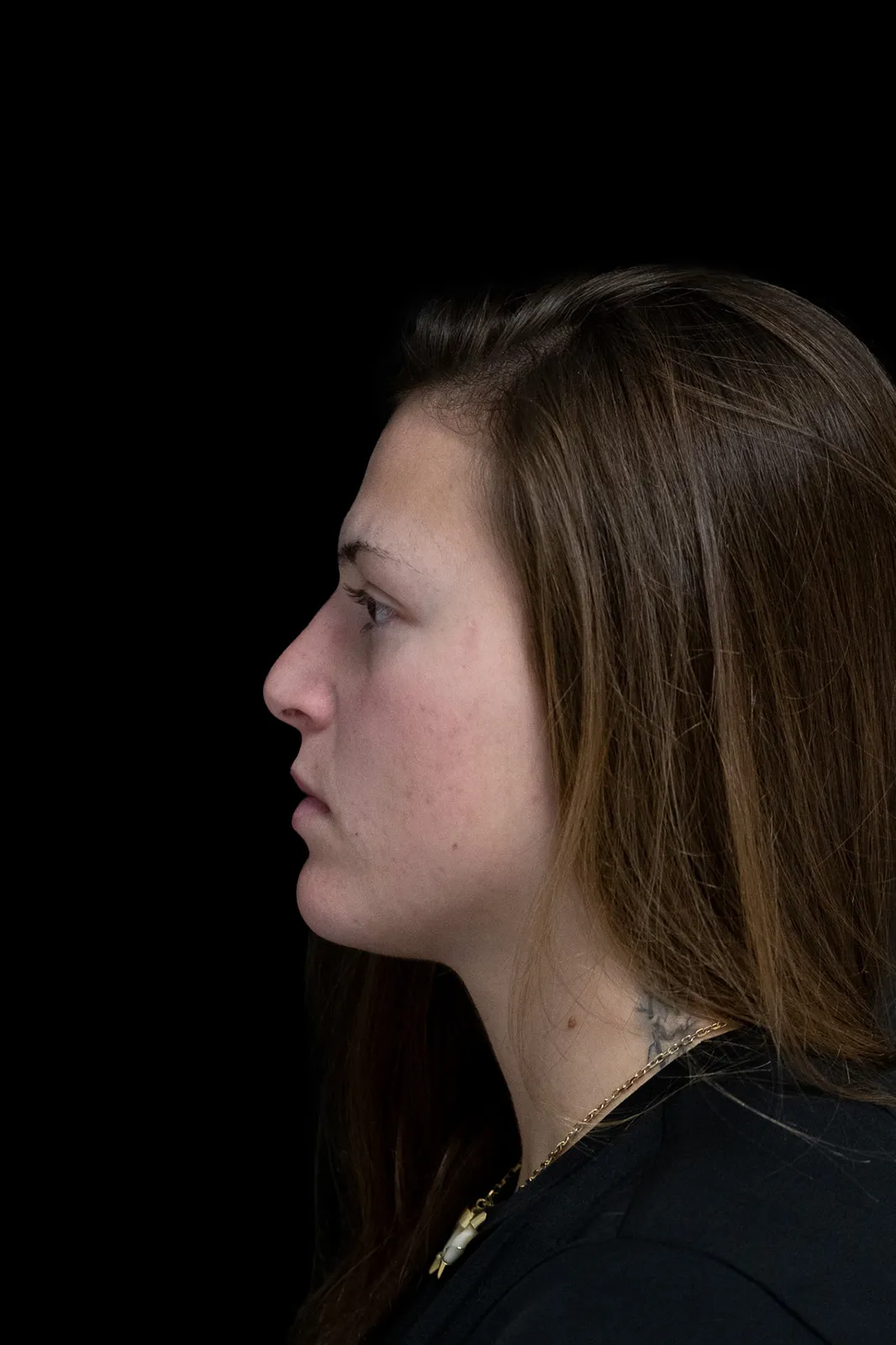
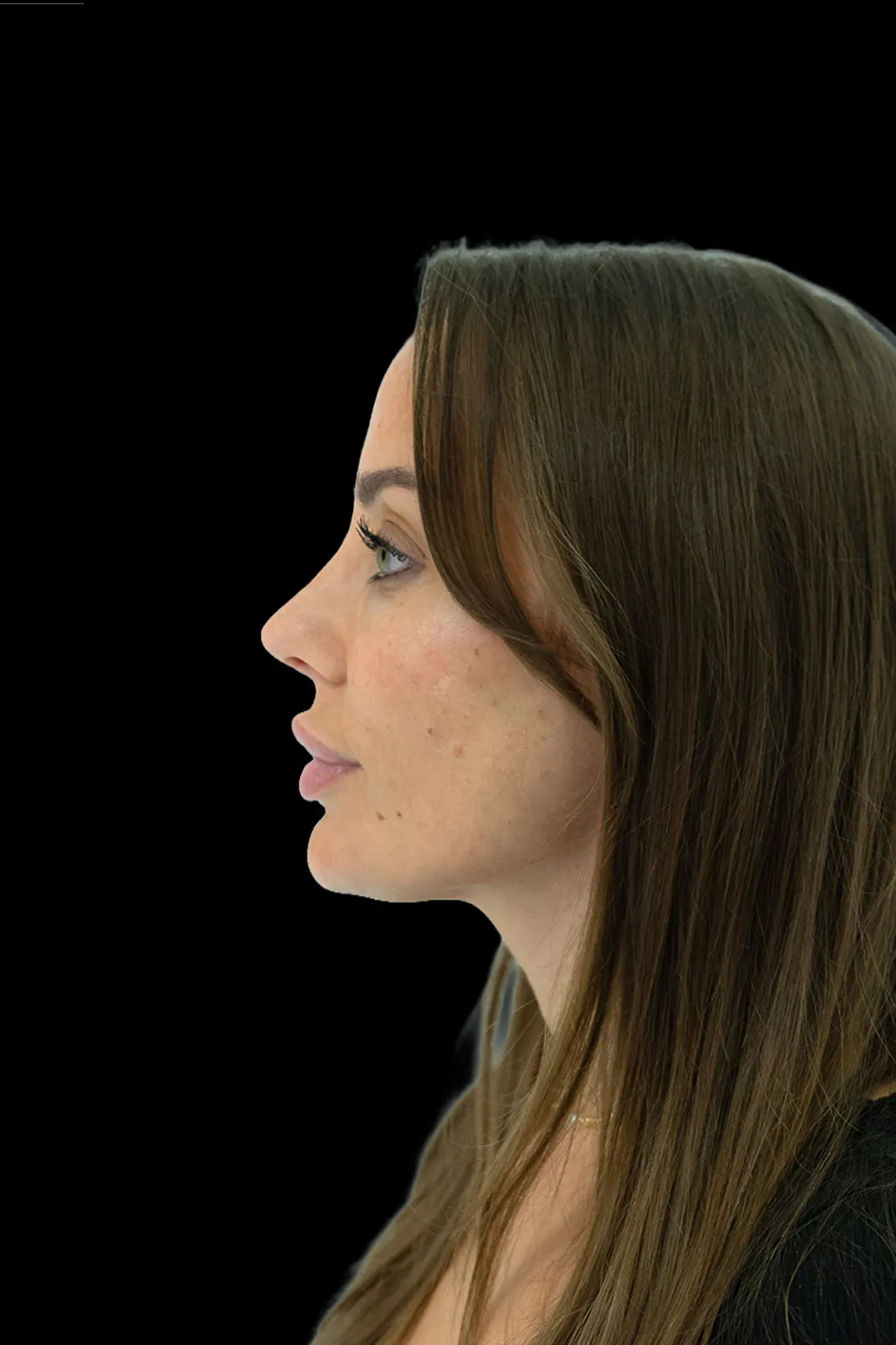
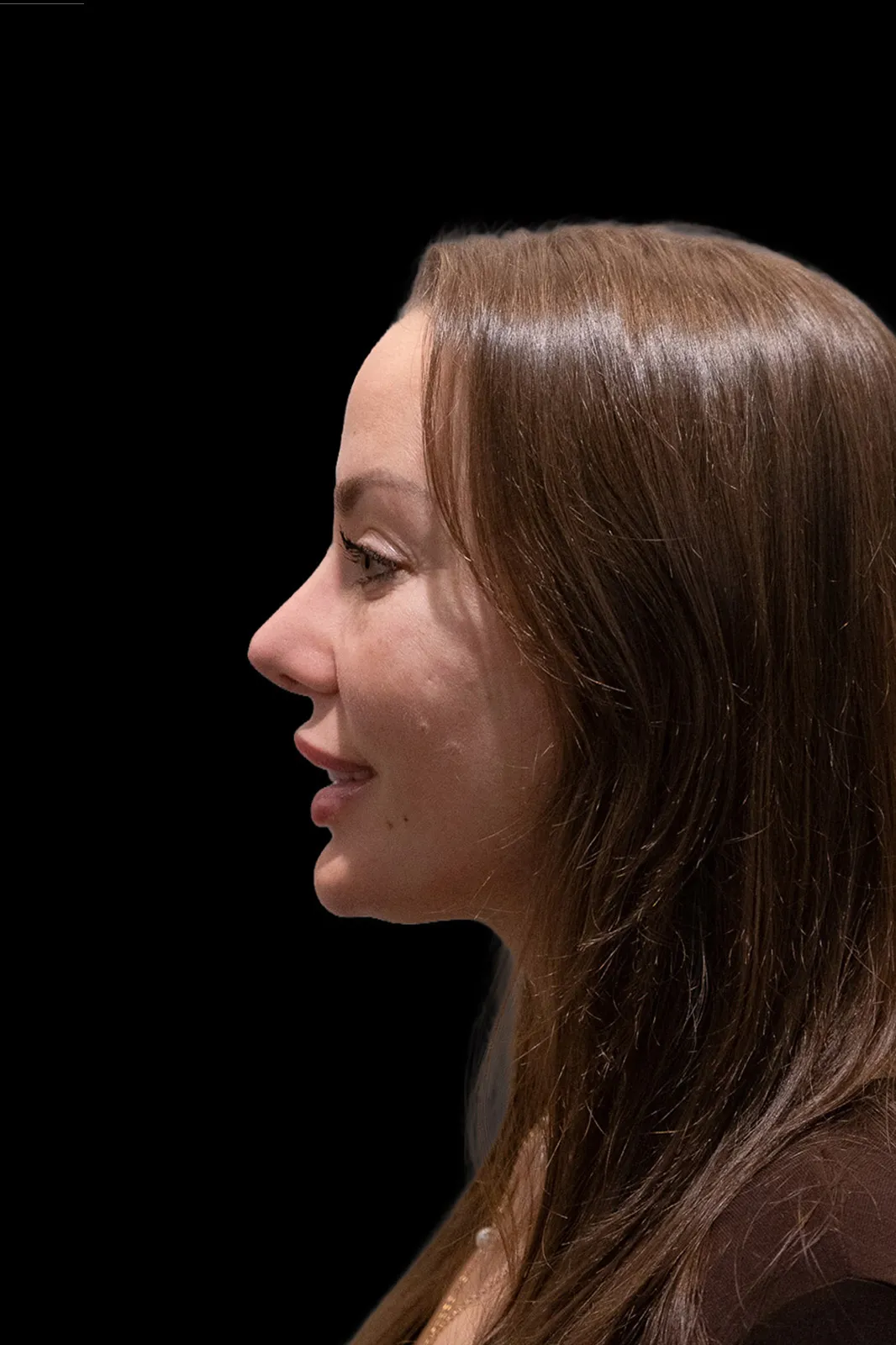
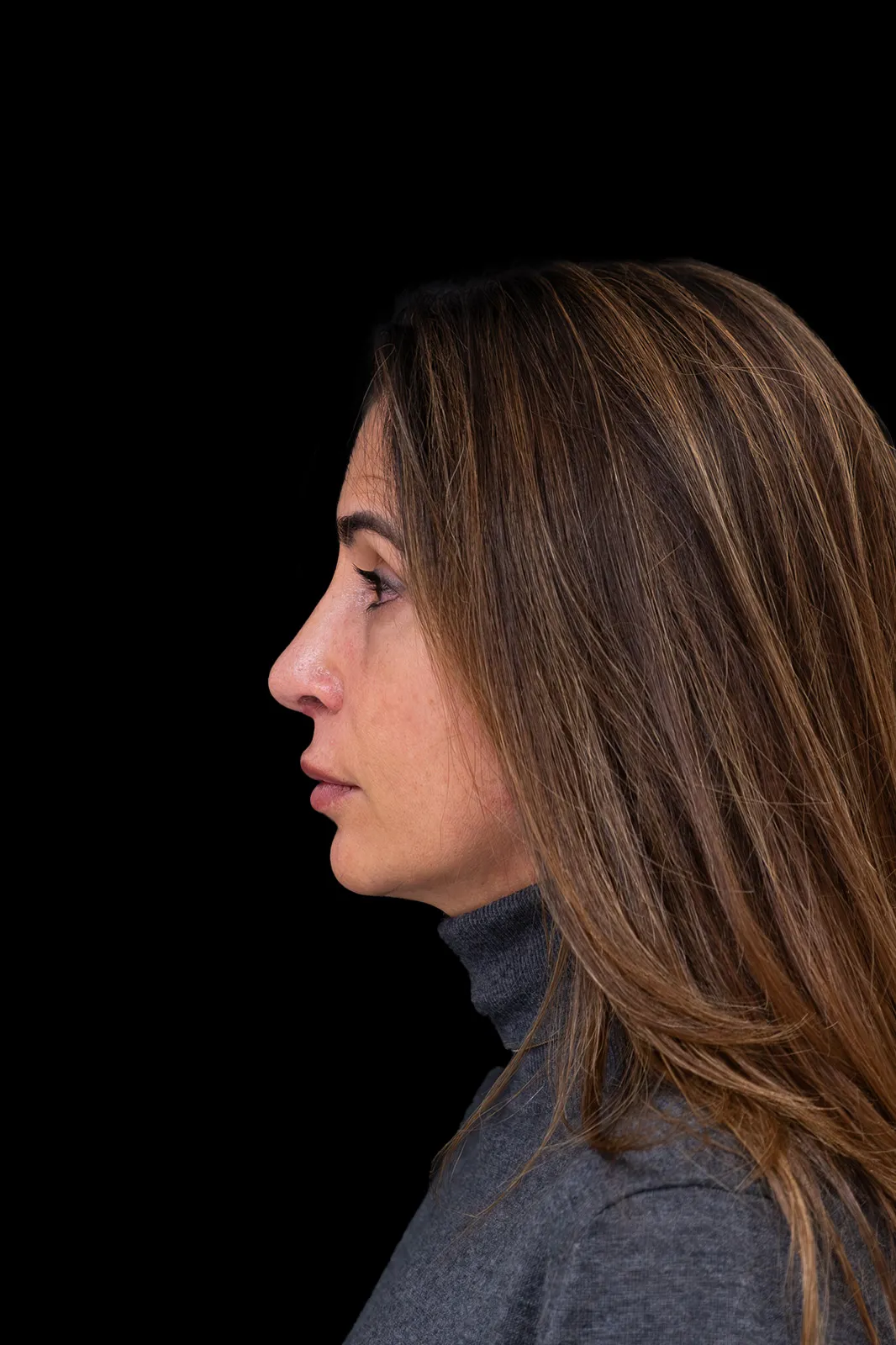
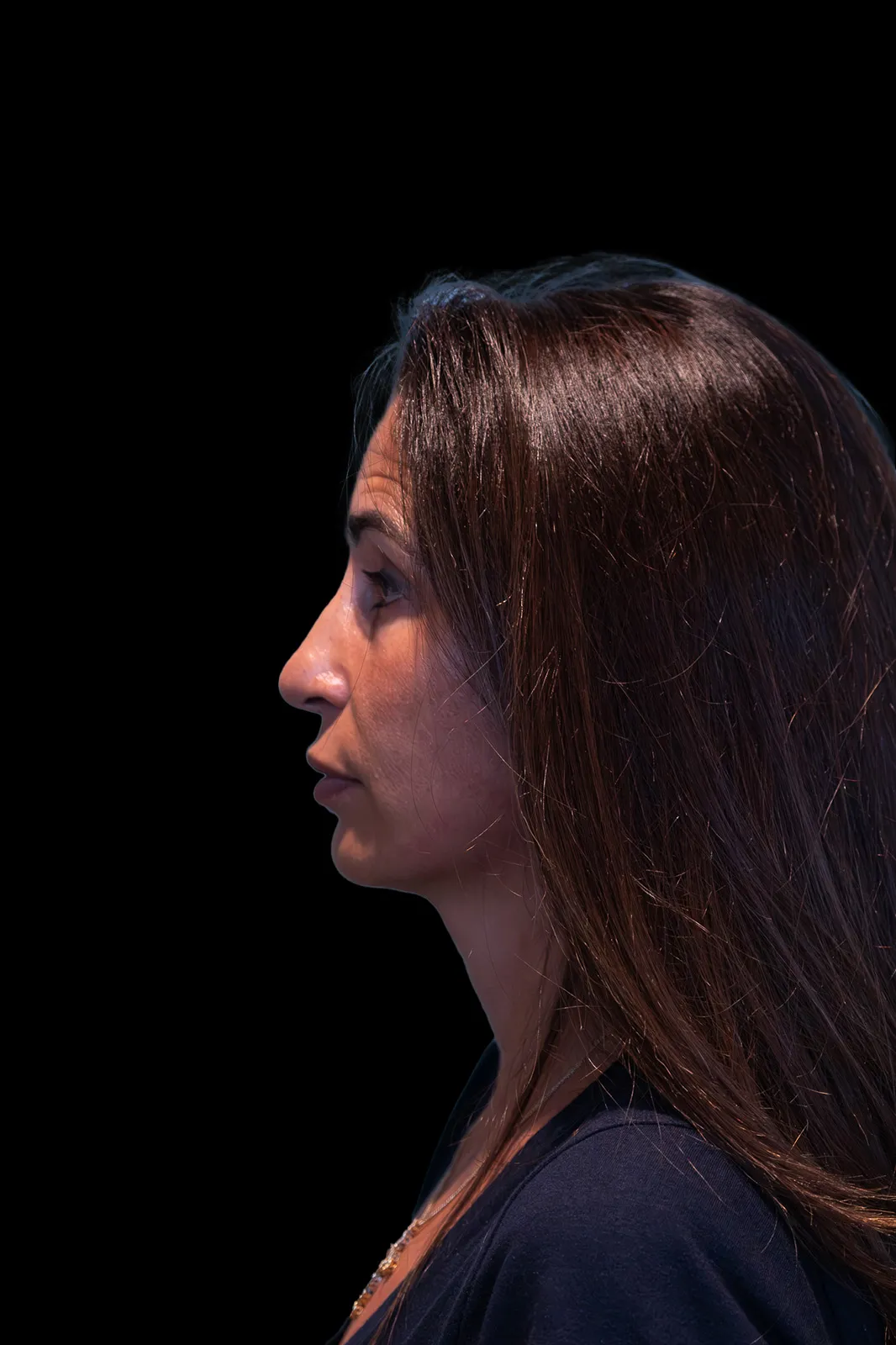
Secondary rhinoplasty in Barcelona
Dr. Guilemany sees patients and performs revision rhinoplasty at leading clinics in Barcelona.
Barcelona
Centro Médico Teknon
Consultorios Vilana (Office 194), Carrer de Vilana 12, 08022 Barcelona
Looking for more detail? See our page on secondary rhinoplasty.
Personalised treatment for every case
Tell us about your case and which aspects of your nose you would like to improve, and we will advise you with no obligation.
Book a consultation and tell us about your caseWhat our patients say ★★★★★ on Google
4.7 out of 5 · 164 reviews on Google
See all reviews on Google