
Rhinoplasty in Barcelona
Aesthetic and functional nose surgery with ultrasonic technique. Natural results, never losing sight of breathing, performed by an ENT and facial surgeon with more than 3,000 rhinoplasties.
Rhinoplasty is the surgery that brings the shape and size of the nose into harmony with the rest of the face and, when needed, also corrects breathing. In Barcelona, Dr. José Mª Guilemany performs it with ultrasonic technique, always combining aesthetics and function. His dual training as an ENT specialist and facial surgeon is the key: the nose not only has to look natural, it also has to breathe well.
years of experience
rhinoplasties
164 Google reviews
What is rhinoplasty and when is it indicated?
Rhinoplasty is a surgical procedure that modifies the bone and cartilage of the nose to improve its appearance, its proportion with the face or its breathing function. It can be aesthetic, functional or — most often — both at once. Modern techniques are not just about "removing" tissue: the structure is preserved, reinforced and rebuilt so that the result is natural, stable over time and does not make breathing worse.
It is usually indicated when there is a dorsal hump, a drooping or wide tip, a deviation, the after-effects of an injury, or when a deviated septum makes breathing difficult. The first step is always a personalised assessment, in which your nose, your face and your goals are studied so we can explain what can realistically be achieved.
Types of rhinoplasty we perform in Barcelona
- Primary rhinoplasty: the first nose surgery, to change shape, size or proportion and, if needed, improve breathing.
- Revision (secondary) rhinoplasty: corrects the result of a previous operation; it is technically more complex and demands considerable experience.
- Ultrasonic rhinoplasty: sculpts the bone with ultrasound, with maximum precision, less bruising and a more comfortable recovery.
- Septorhinoplasty: corrects both the appearance of the nose and a deviated septum, in a single operation and a single recovery.
- Nasal reconstruction: restores shape and function after trauma, cancer treatment or malformations.
Aesthetics and function: the advantage of an ENT surgeon
Most rhinoplasties that set out to change the shape of the nose also conceal a breathing component: a deviated septum, enlarged turbinates or narrow nasal valves. Operating on the aesthetics without assessing function can leave a beautiful nose that breathes worse.
Dr. Guilemany is an ENT specialist as well as a facial surgeon, so in one and the same operation he can harmonise the look of your nose and resolve the breathing problem. That is the essence of his philosophy: we do not conceive of aesthetics without function.
Ultrasonic vs. traditional rhinoplasty
Ultrasonic (or piezoelectric) rhinoplasty replaces the classic "chisel and mallet" with an ultrasonic scalpel that reshapes the bone with millimetric precision, without damaging the soft tissue. This is how it differs from the conventional technique:
| Ultrasonic | Traditional | |
|---|---|---|
| Precision on the bone | Selective, millimetric cutting | Less controlled fracture |
| Soft tissue | Preserved | Greater trauma |
| Bruising and swelling | Less | More frequent |
| Recovery | More comfortable and faster | Slower |
| Natural-looking result | Very high, thanks to the precision | Highly dependent on technique |
All of Dr. Guilemany's rhinoplasties benefit from ultrasonic technology and, in most cases, are performed without nasal packing, which makes recovery far more bearable.
The process, step by step
- 1. First consultation and assessment. Aesthetic and functional assessment of the nose, analysis of the face and personalised planning of the goals.
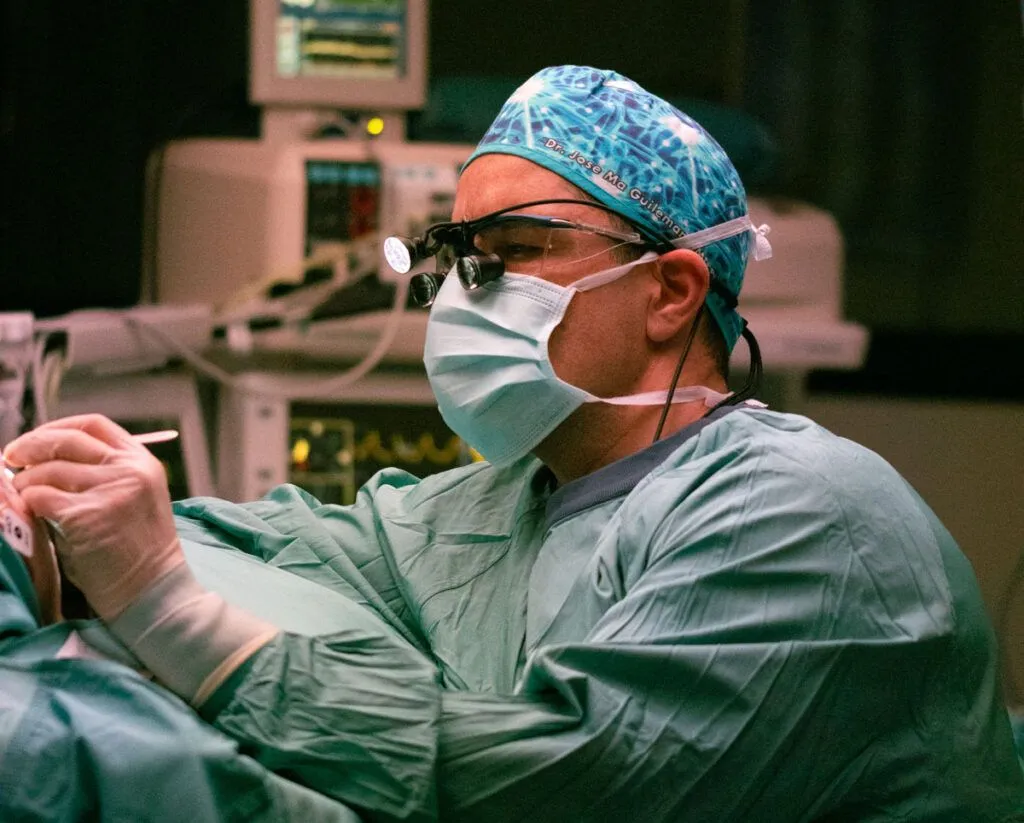
- 2. Surgery. Rhinoplasty with ultrasonic technique, preserving the anatomy as far as possible and, where appropriate, correcting breathing in the same procedure.
- 3. Recovery. Usually without packing and with little pain; the splint is removed at around one week.
- 4. Follow-up. Scheduled check-ups to accompany your progress through to the final result.
Recovering from rhinoplasty
Because it is a minimally invasive surgery, recovery is usually comfortable. The splint is removed at around one week and social life normally resumes within one or two weeks; the swelling goes down gradually and the result refines itself over the following months.
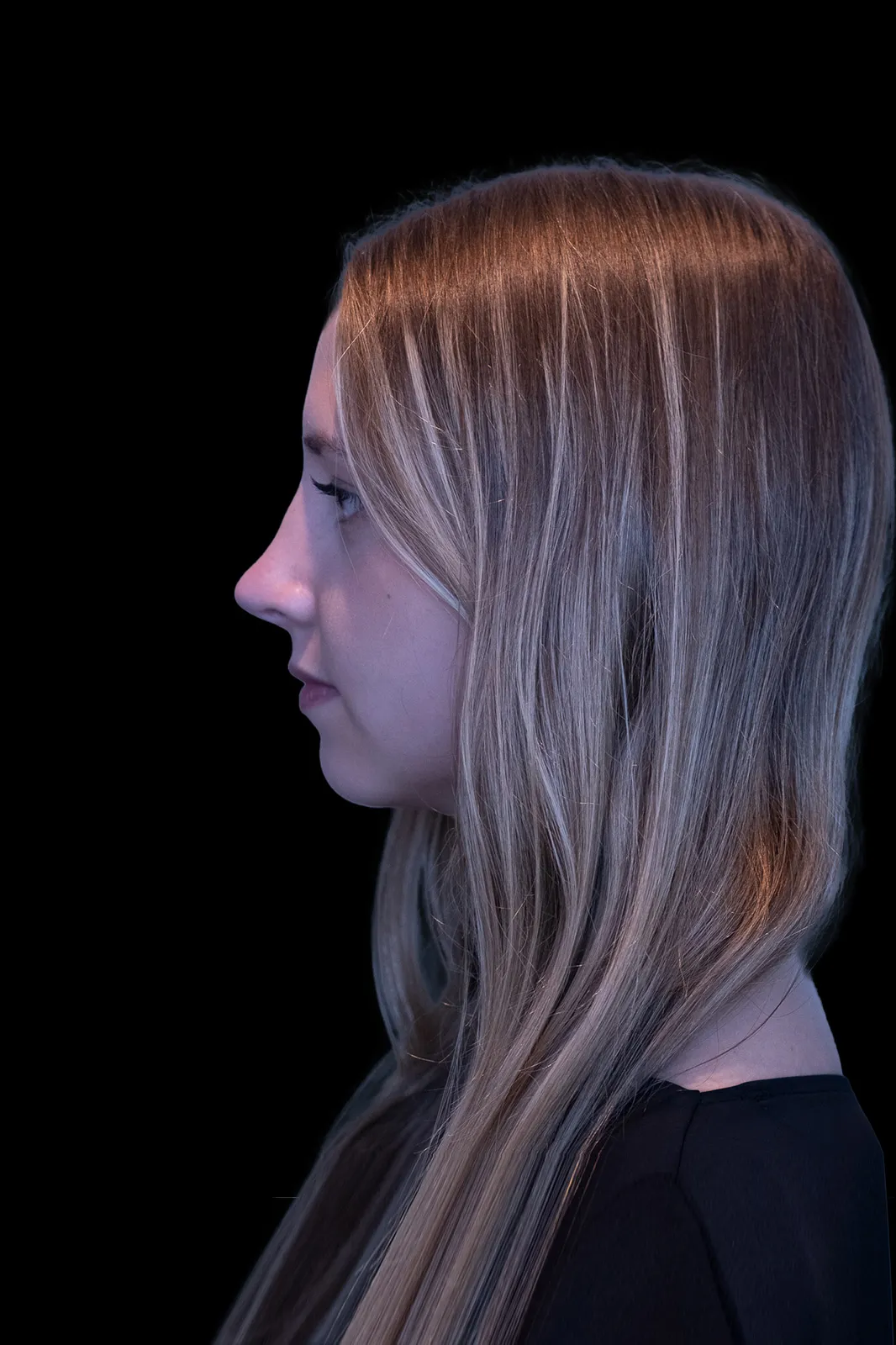
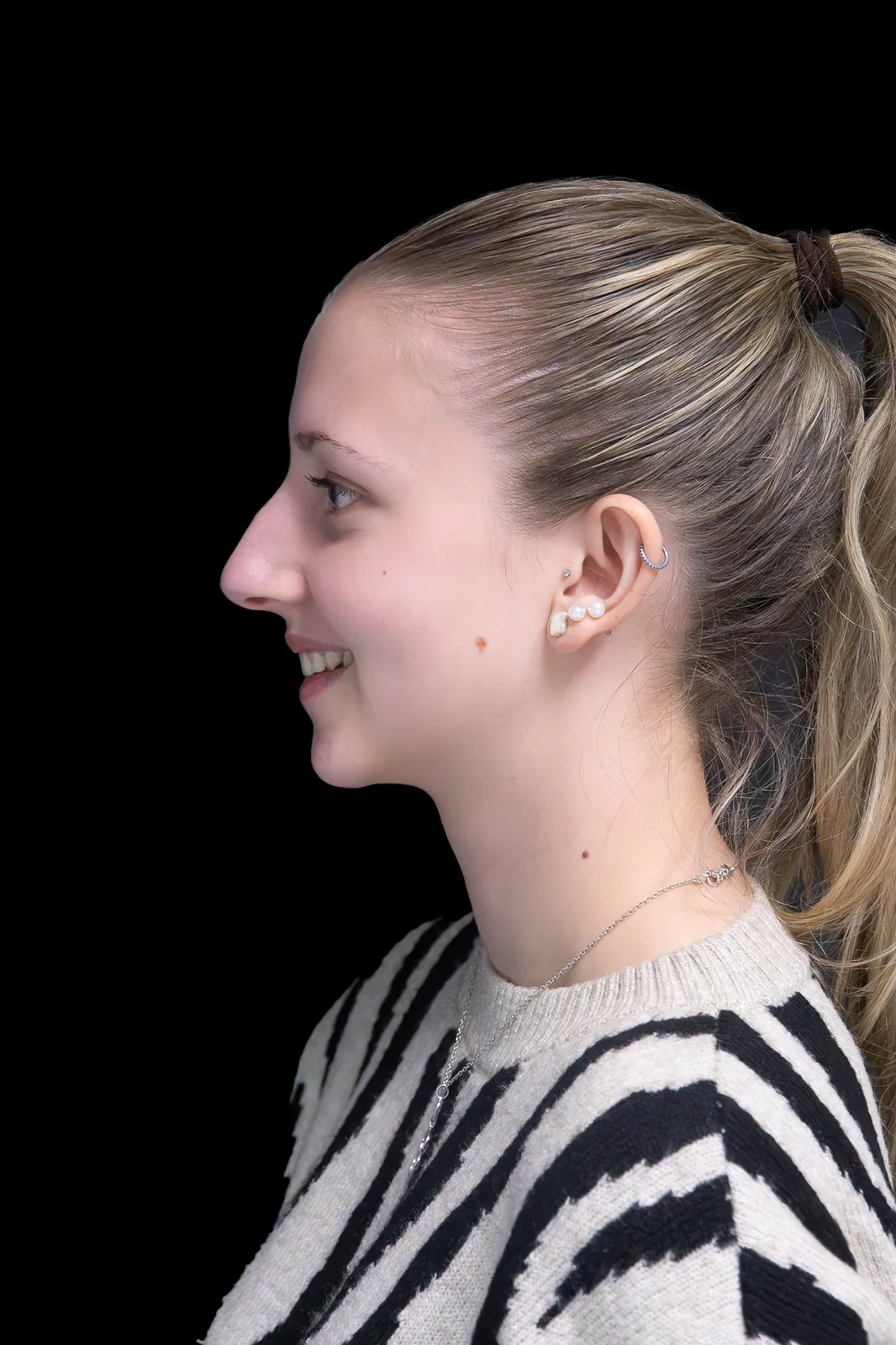
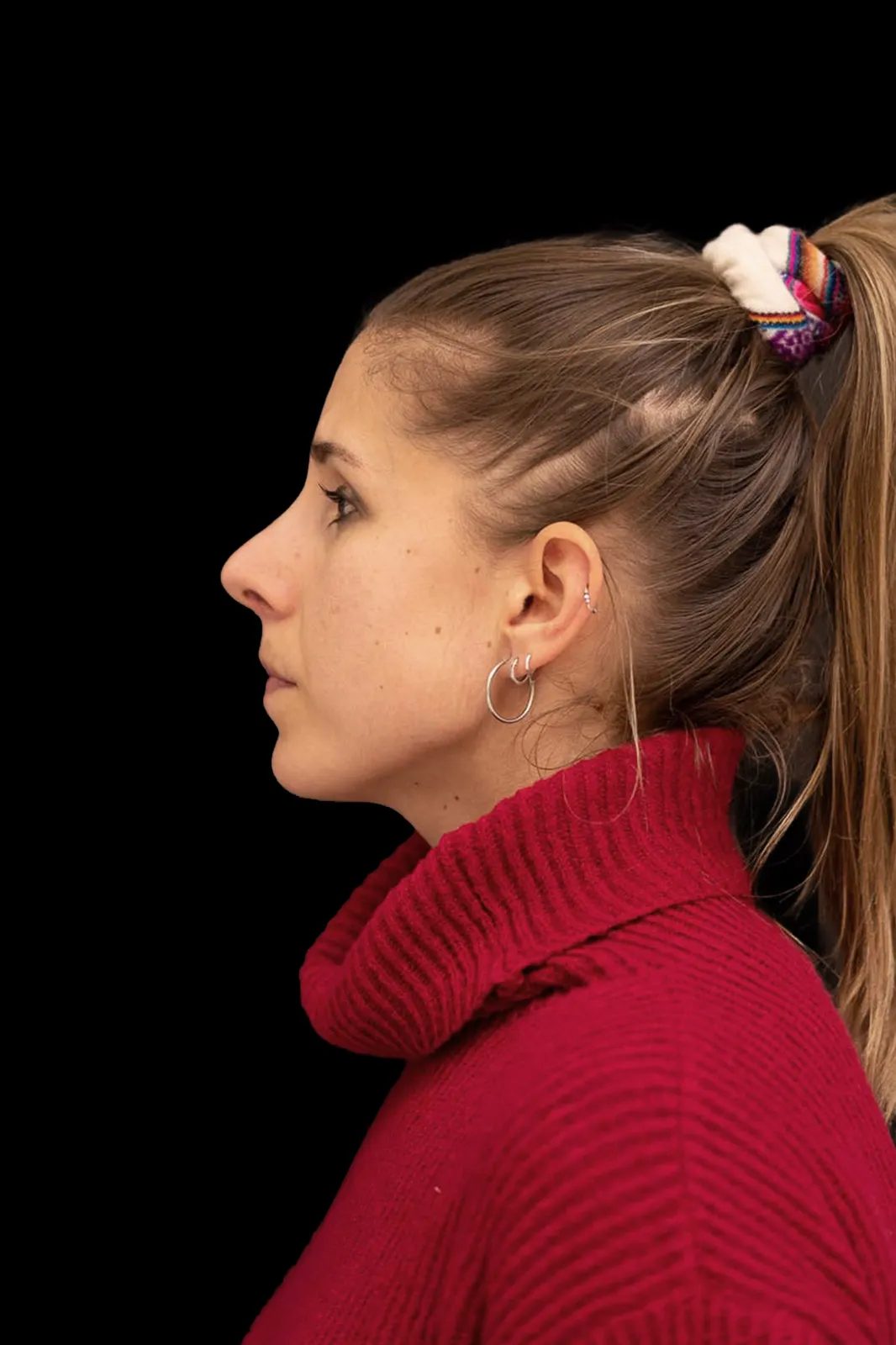
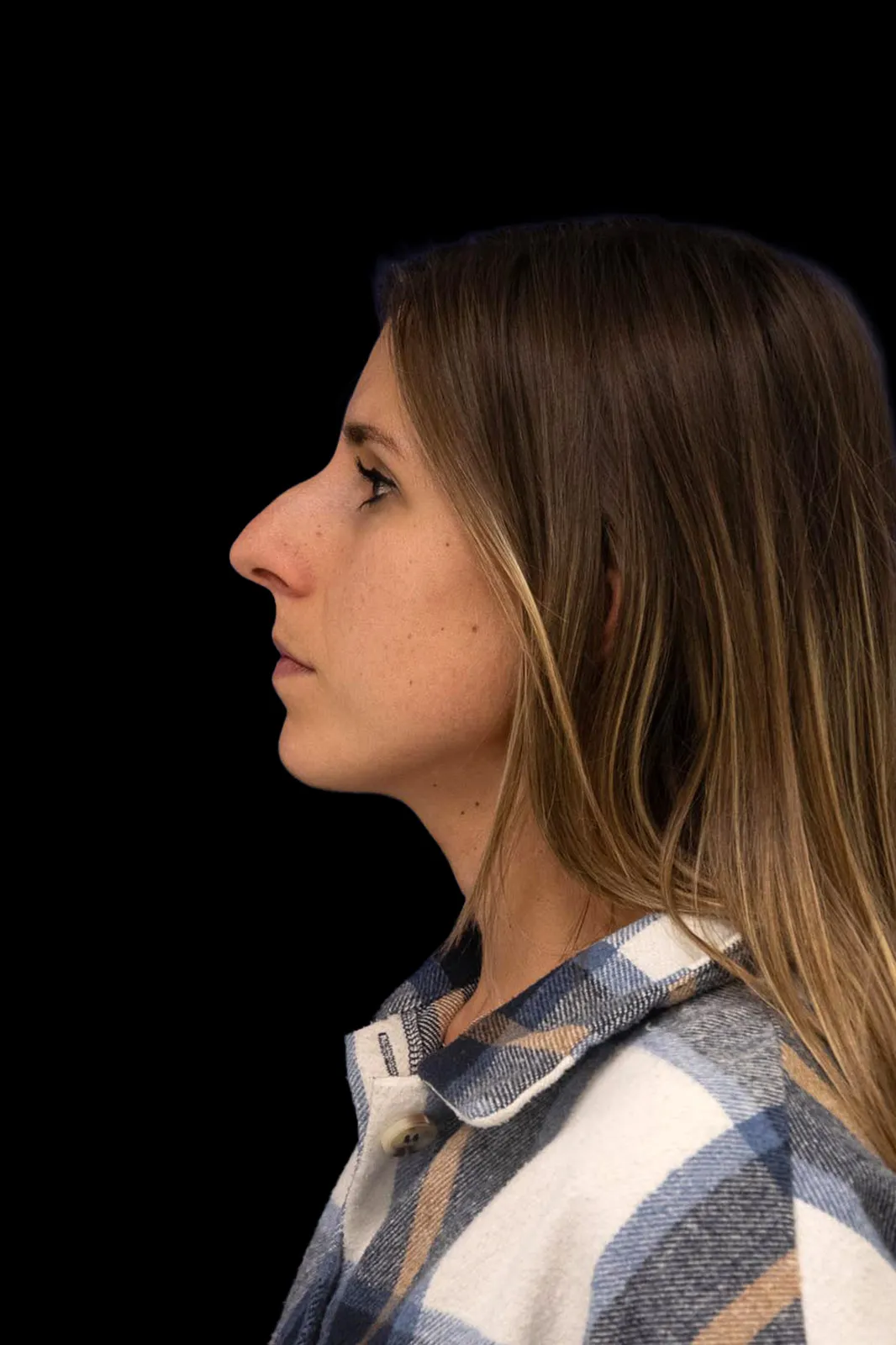
Real rhinoplasty results
Drag the bar to compare before and after. Real cases operated on by Dr. Guilemany in Barcelona.
The cost of rhinoplasty in Barcelona
The price of a rhinoplasty depends on each case: a primary surgery is not the same as a revision rhinoplasty or a reconstruction with a cartilage graft. The way to find out the real cost is a first consultation in which your nose and your goals are studied, with a fixed, transparent quote and no surprises. We also offer tailored financing so that cost is not a barrier.
The specialist: Dr. José Mª Guilemany
ENT specialist and facial plastic surgeon, with 26 years of experience and more than 3,000 rhinoplasties. He holds a PhD in Medicine and Surgery Cum Laude from the University of Barcelona and is a consultant in the ENT and Facial Plastic Surgery Department at the Hospital Clínic i Universitari de Barcelona, where he trained as a resident. Sub-specialised in rhinoplasty, septorhinoplasty and revision rhinoplasty, he sees patients at Clínica Tufet, Centro Médico Teknon and Áptima Mútua de Terrassa.
- Education: Degree in Medicine and Surgery (UAB) and PhD Cum Laude from the University of Barcelona. Specialist in ENT and Head and Neck Surgery (Hospital Clínic de Barcelona and Hospital Sant Joan de Déu).
- Hospital Clínic de Barcelona: consultant in the ENT and Facial Plastic Surgery Department and member of its head and neck oncology committee.
- Societies: European Academy of Facial Plastic Surgery (EAFPS), Rhinoplasty Society of Europe (RSE) and board member of the Facial Plastic Surgery Committee of the SEORL-CCC.
- Teaching and research: lecturer in ENT and Head and Neck Surgery at the University of Barcelona, with awards (Emilio Letang, Sant Blai, SEORL) and national and international publications.
- Ratings: 5★ on Doctoralia and TopDoctors and 4.7/5 from 164 Google reviews. Read the patient reviews.
Read his full career.
Where we operate: Barcelona and Terrassa
Barcelona
Centro Médico Teknon
Consultorios Vilana (Office 194), Carrer de Vilana 12, 08022 Barcelona
Looking for rhinoplasty closer to the Vallès area? Dr. Guilemany also sees patients in Terrassa (Áptima Mútua de Terrassa). All the addresses are listed under clinics.
Frequently asked questions about rhinoplasty
How much does a rhinoplasty cost in Barcelona?
The price depends on the complexity of the case: a primary rhinoplasty, a revision or one that also corrects the septum do not cost the same. That is why we give a fixed, personalised quote at the first consultation, and offer tailored financing.
Is ultrasonic rhinoplasty better than the traditional technique?
The ultrasonic technique makes it possible to reshape the bone with far greater precision while preserving the soft tissue, which means less bruising, less swelling and a more comfortable recovery. It is the technique we use in virtually all of our rhinoplasties.
Does rhinoplasty leave visible scars?
In most cases the incisions are internal or very small, at the base of the nose (the columella), so they are camouflaged and practically invisible.
Is rhinoplasty painful?
It is usually a surgery with little pain. Recovery involves more of a feeling of pressure than pain, and the ultrasonic technique, together with the absence of packing in most cases, makes it much more comfortable.
Can aesthetics and breathing be improved at the same time?
Yes. In a single operation (septorhinoplasty) a deviated septum can be corrected and, at the same time, the shape of the nose improved. As Dr. Guilemany is both an ENT specialist and a facial surgeon, he addresses both aspects with a single recovery.
How long does recovery take?
The splint is removed at around one week and social life usually resumes within one or two weeks. The swelling goes down gradually and the result refines itself over the following months.
When can I go back to work?
It depends on the type of work and the surgery, but many patients return to non-physical activity within a few days. For physically demanding jobs it is best to wait a little longer. At your consultation we give you personalised guidance.
Is nasal packing used?
In most cases we do not use packing, which makes recovery far more bearable and allows you to breathe through your nose from the very start.
At what age can rhinoplasty be performed?
From the end of facial growth, usually around the age of 16-18, always assessing each case individually.
What type of anaesthesia is used?
The type of anaesthesia is decided individually according to the case and always in a hospital setting with a specialist team, prioritising the patient's safety and comfort.
What is the difference between open and closed rhinoplasty?
In closed rhinoplasty the incisions are internal, with no visible scar. In the open approach a small incision is made in the columella to gain better access to the nasal structure. The choice depends on each case; the goal is always the most natural and stable result.
What is revision or secondary rhinoplasty?
It is surgery performed on a nose that has already been operated on, to correct or improve the previous result. It is technically more complex because it means working on tissue that has already been operated on, so it is best to put yourself in the hands of a surgeon with proven experience in revision rhinoplasty.
Are the results permanent?
Yes. Once the nasal structure has been reshaped and stabilised, the result is permanent, barring later injury. The nose continues to refine itself over the first few months until the final result.
When is the final result visible?
The first changes are visible when the splint is removed, but the nose keeps deswelling for months. The final result consolidates gradually, and the last part of that evolution can extend up to a year.
Can a man have nose surgery?
Yes. The technique is the same, but the aesthetic goals differ: in men the aim is a straighter dorsum and a defined tip, preserving masculine features and the harmony of the face.
When can I exercise again?
It is advisable to avoid intense exercise and any impact on the nasal area during the first few weeks. Gentle activity can be resumed sooner; at your check-up we set the timings according to your progress.
Why have surgery with an ENT specialist?
Because many aesthetic rhinoplasties conceal a breathing problem (deviated septum, turbinates, nasal valve). An ENT and facial surgeon like Dr. Guilemany assesses and resolves breathing function in the same operation, so a beautiful nose does not end up breathing worse.
What is the first consultation like?
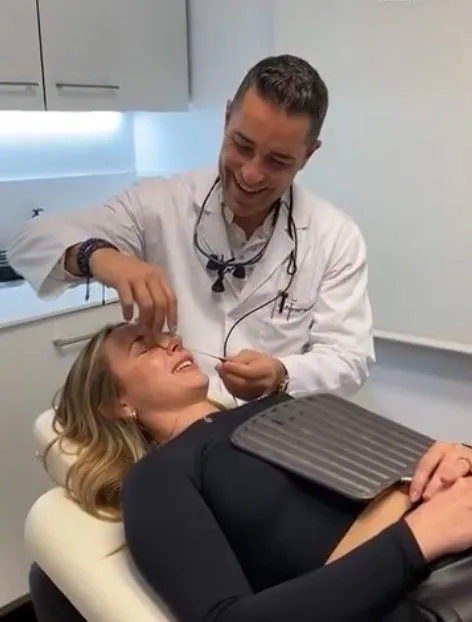
We carry out an aesthetic and functional assessment of the nose, analyse the face as a whole and plan the goals in a personalised way, explaining what result is realistic in your case. Book your assessment.
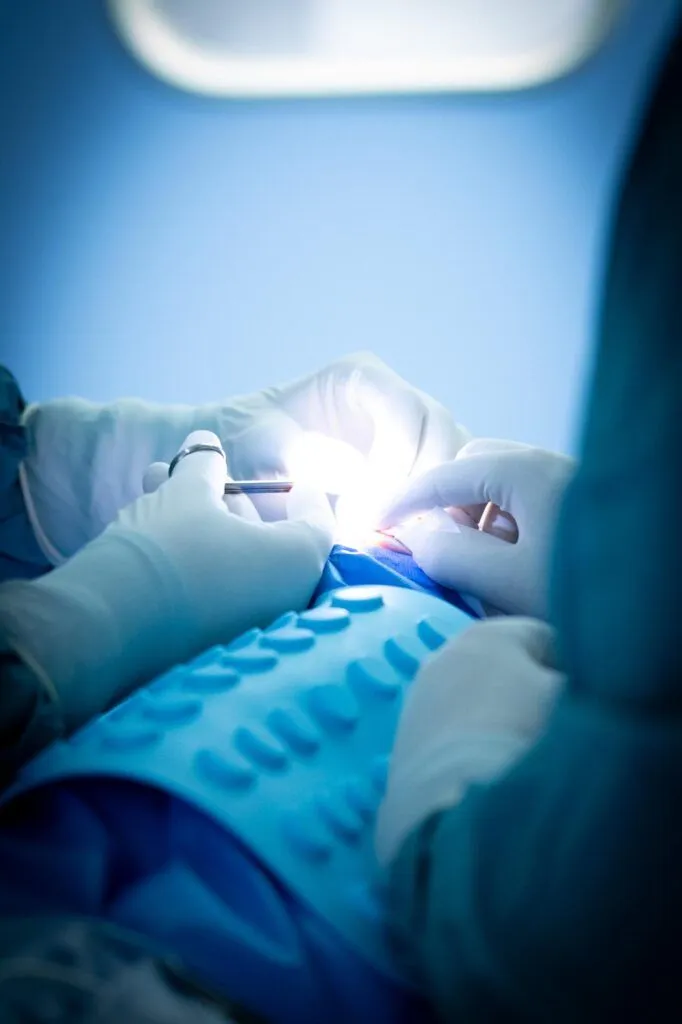
Personalised treatment for every case
Tell us about your case and which aspects of your nose you would like to improve, and we will advise you with no obligation.
Book a consultation and tell us about your caseWhat our patients say ★★★★★ on Google
4.7 out of 5 · 164 reviews on Google
See all reviews on Google