
Primary rhinoplasty
Surgery that changes the shape and size of the nose, improving facial harmony. It also corrects congenital and breathing problems.
Recovery time: 1 to 2 weeks
Treatment
Nose surgery, also known as rhinoplasty, is one of the most frequently performed procedures. It therefore demands extensive training from the surgeon in both nasal aesthetics and nasal function. There are many reasons why someone wants a rhinoplasty: dissatisfaction with their own nose, the changes it undergoes with the passing years, injuries, and the need to improve breathing — taking the opportunity of surgery to improve the shape of the nose as well.
How we do it
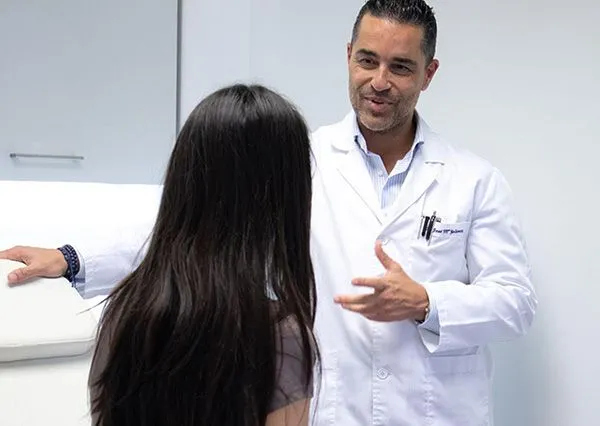
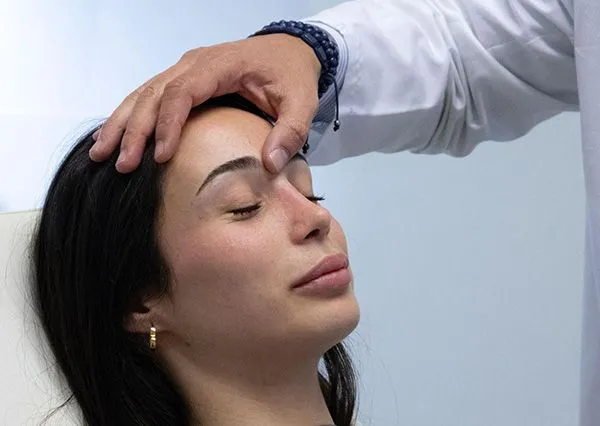
Working from a photographic study and with the help of software designed for nasal surgery, we improve the shape of the nose to suit each person’s face, analysing the measurements of both the face and the nose in order to plan the changes we want. We can run a virtual simulation so that you, as the patient, take part in those changes and get an idea of the approximate result of your face with the new, harmonised nose, from both angles: front and profile. This gives us a better idea of what you want corrected and lets me, as the surgeon, know what you as the patient are looking for.
In nose surgery it is impossible to separate aesthetics from function. Any change that improves nasal appearance can have negative functional consequences if too much tissue is removed. In turn, any functional surgery that weakens the structure too much can change the shape of the nasal tip and the cartilaginous dorsum, creating an aesthetic problem as well. The relationship between aesthetics and function is therefore two-way.
For this reason, in current rhinoplasty techniques we reinforce and support the structures in order to change the shape in a controlled way. If we remove tissue, we always rebuild it. That is how we obtain results that are completely natural and lasting, both aesthetically and functionally.
The procedure
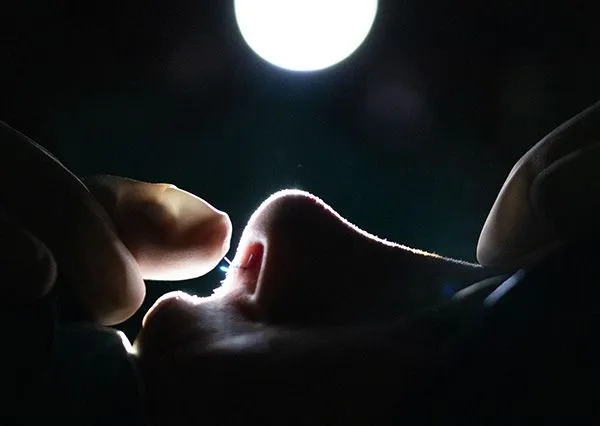
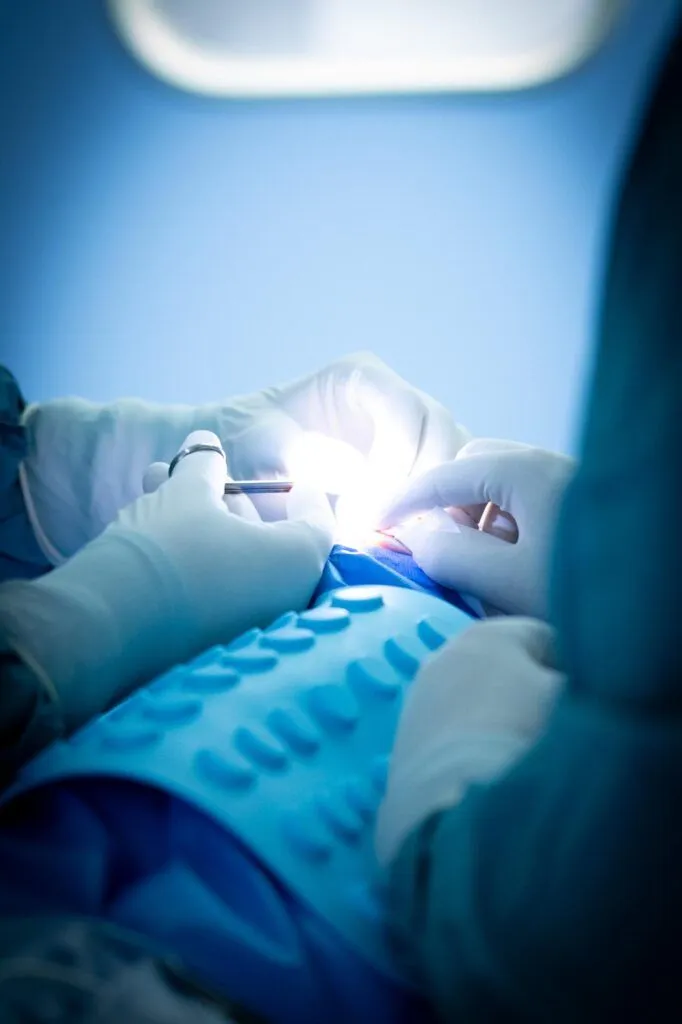
The incision needed for this surgery varies with the changes required. Some noses need minimal changes and the incisions are internal only; if the changes are greater, we make small external incisions in the columella or at the base of the nostrils, but always from the base of the nose inwards and not outwards as used to be done, which left them very visible. In the same procedure we also use endoscopic approaches, particularly where there is a nasal function problem. These incisions are camouflaged and practically invisible. These new approaches give us better and more natural noses.
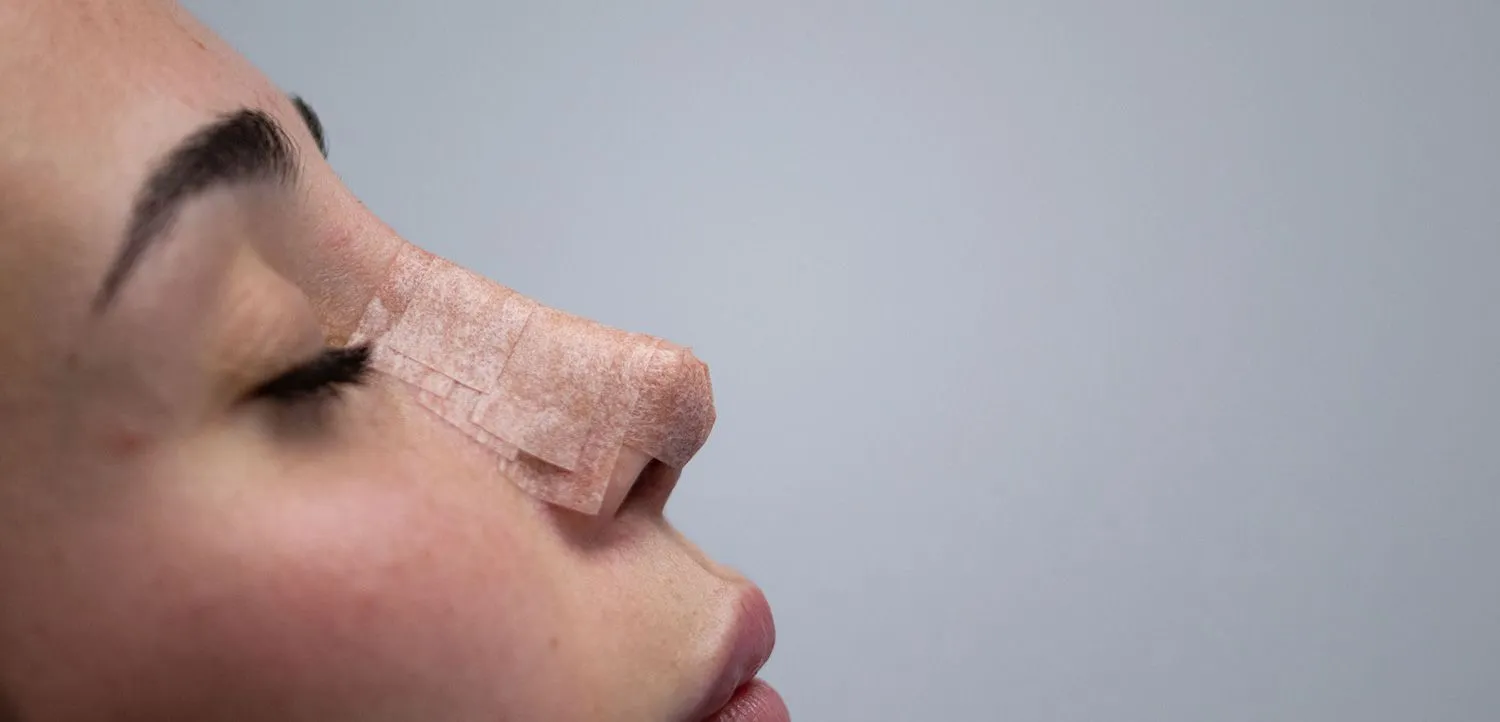
Once the incisions are made and the skin released, we sculpt, reinforce and rebuild the cartilage and bone of the nose to achieve the desired result. When the procedure is complete we apply a dressing that helps hold the new shape of the nose during the first week, and for several years now, in most cases, we have not used nasal packing.
Grafts
In more than 99% of primary rhinoplasties, the grafts can be made using the patient’s own septal cartilage. Only in cases of severe trauma, or in patients with thick skin and weak cartilage, is rib cartilage needed, because those situations call for a greater quantity of cartilage to create new shapes with adequate support.
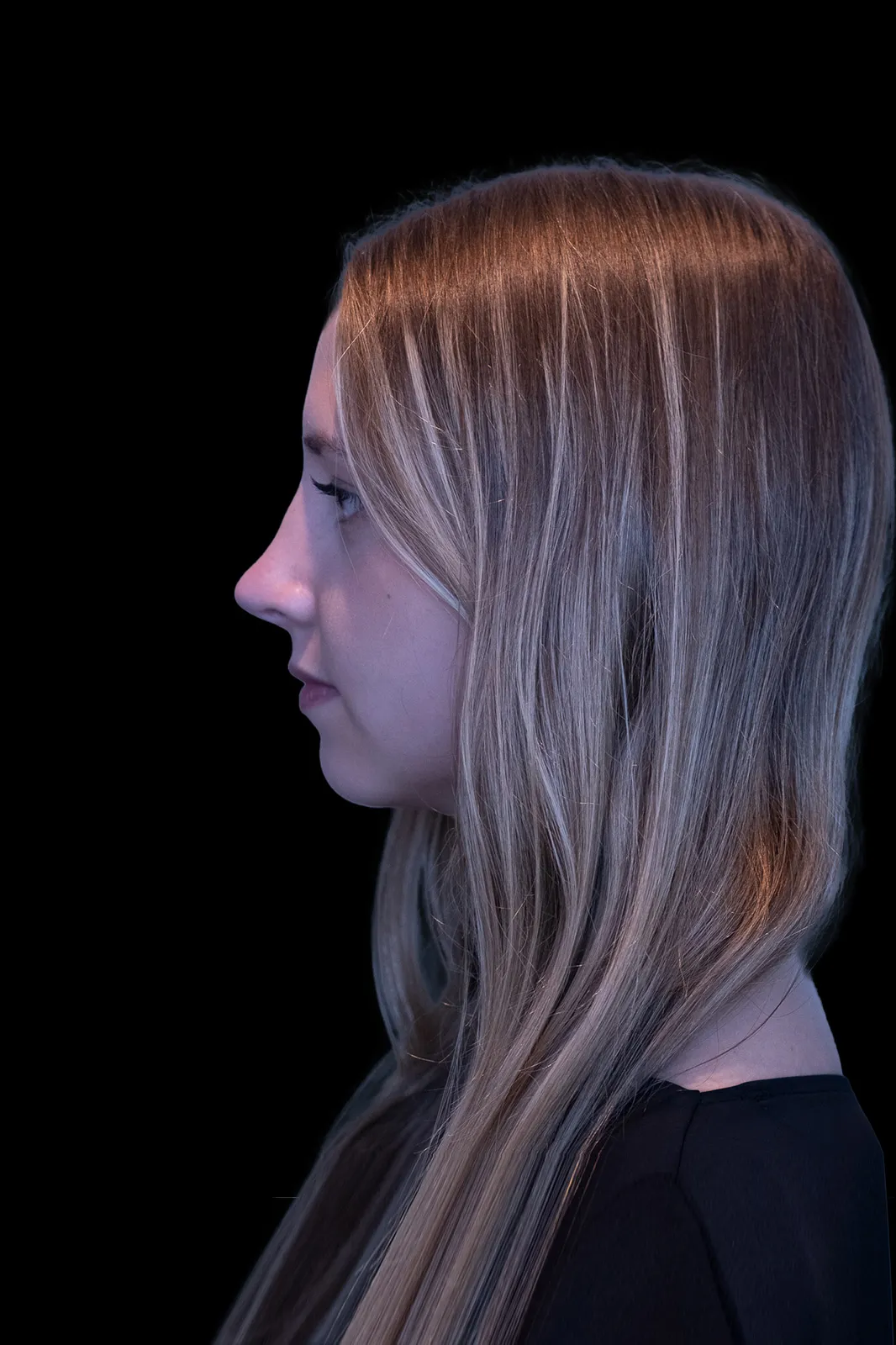
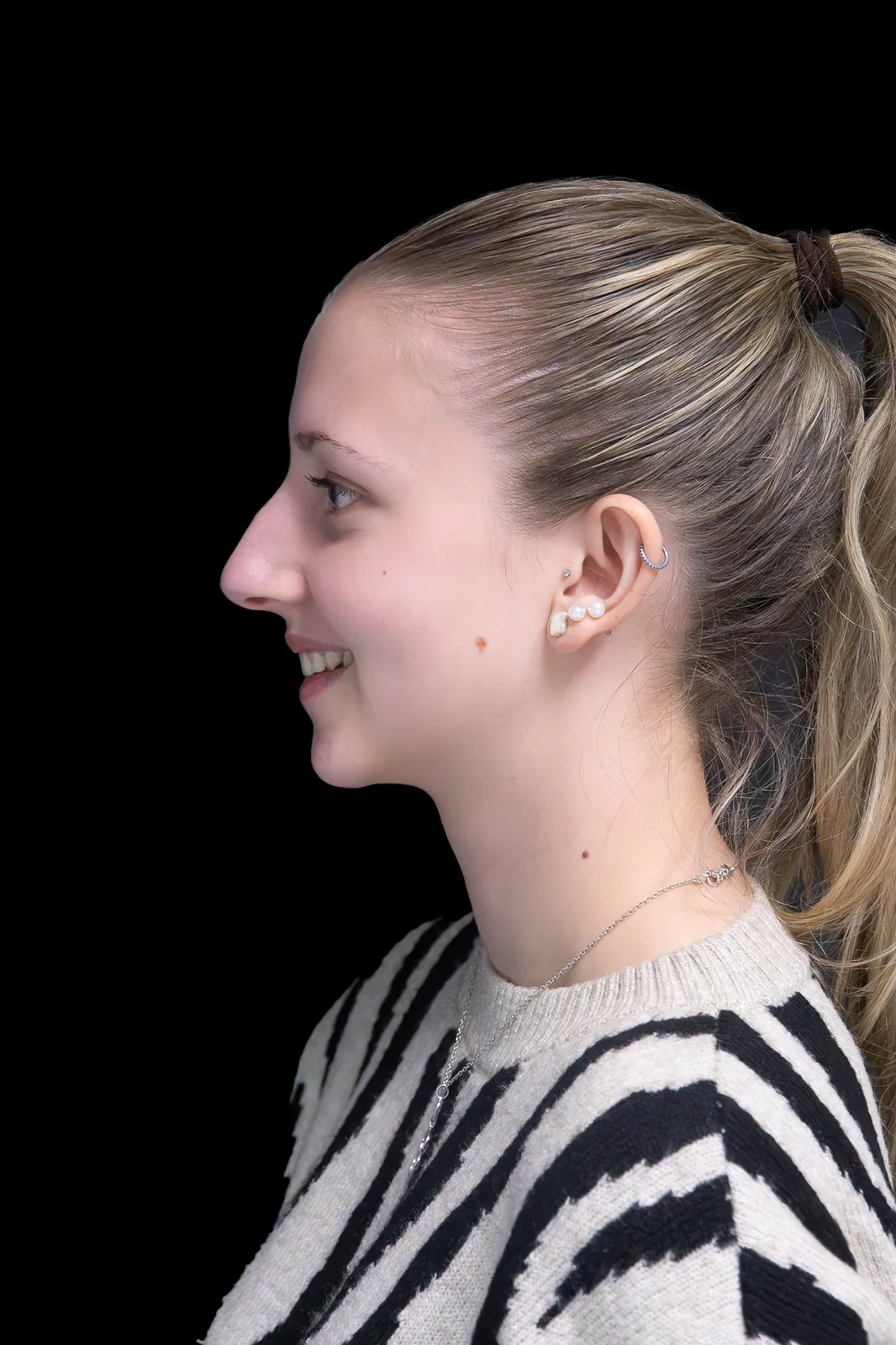
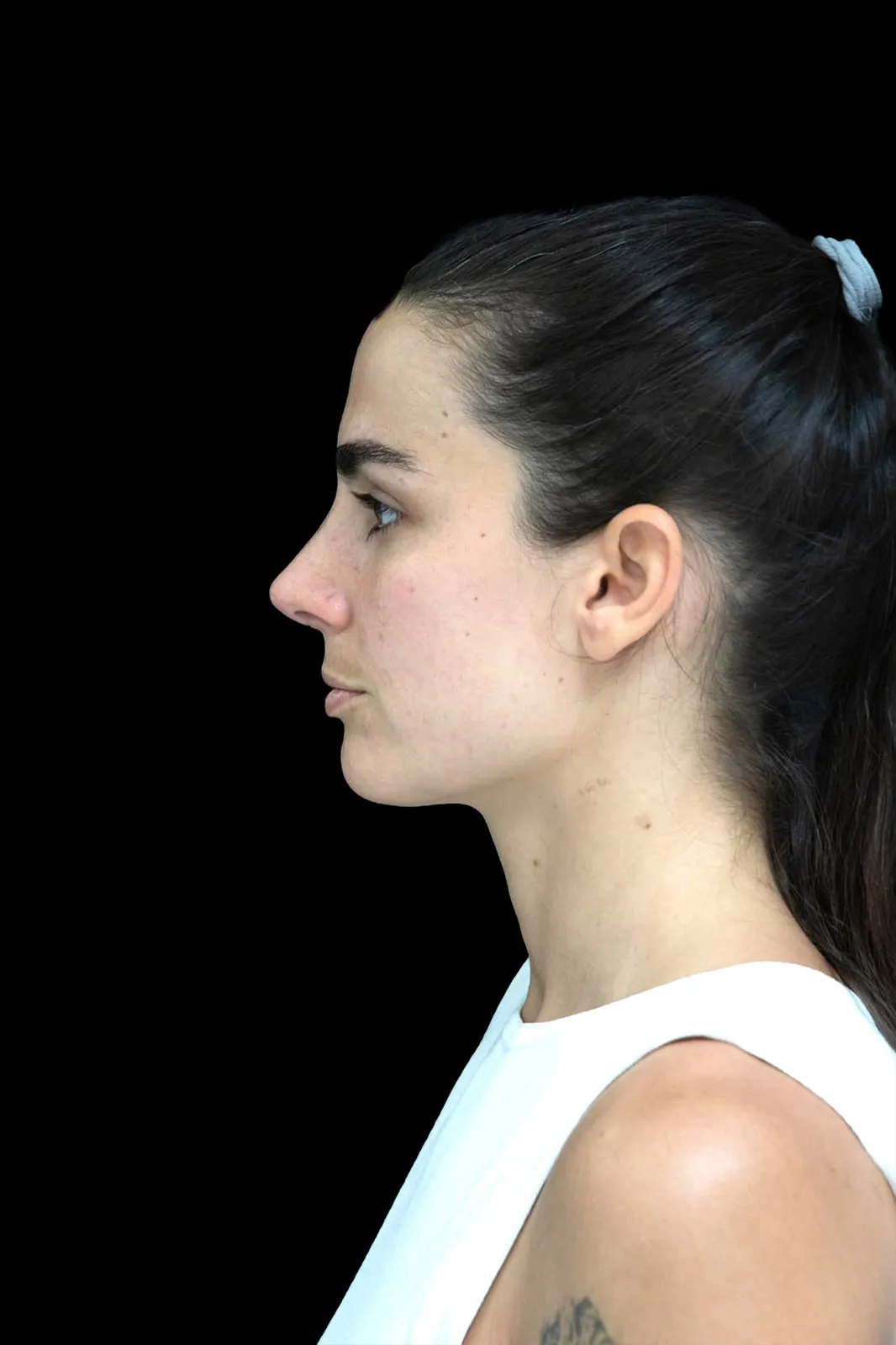
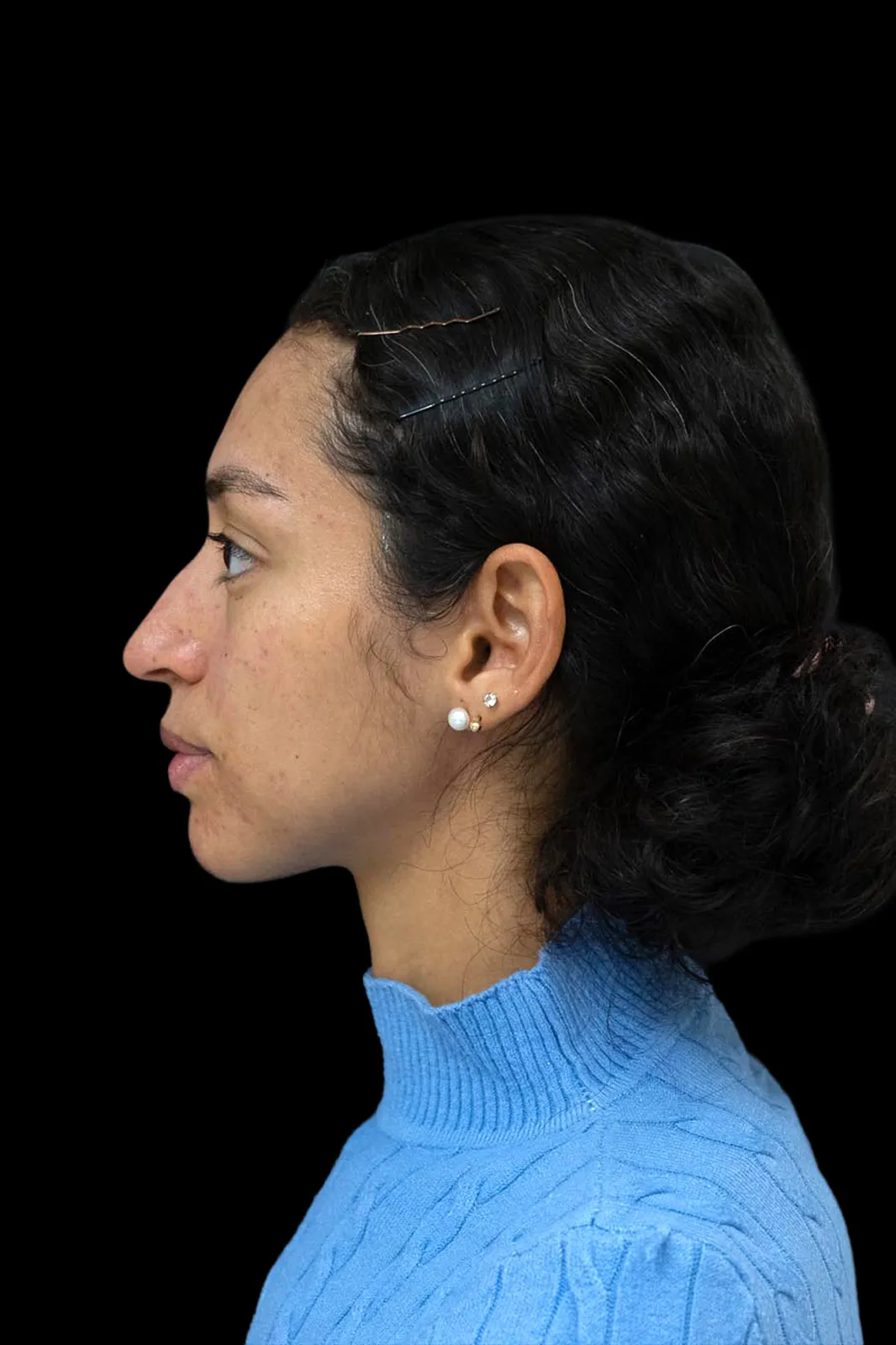
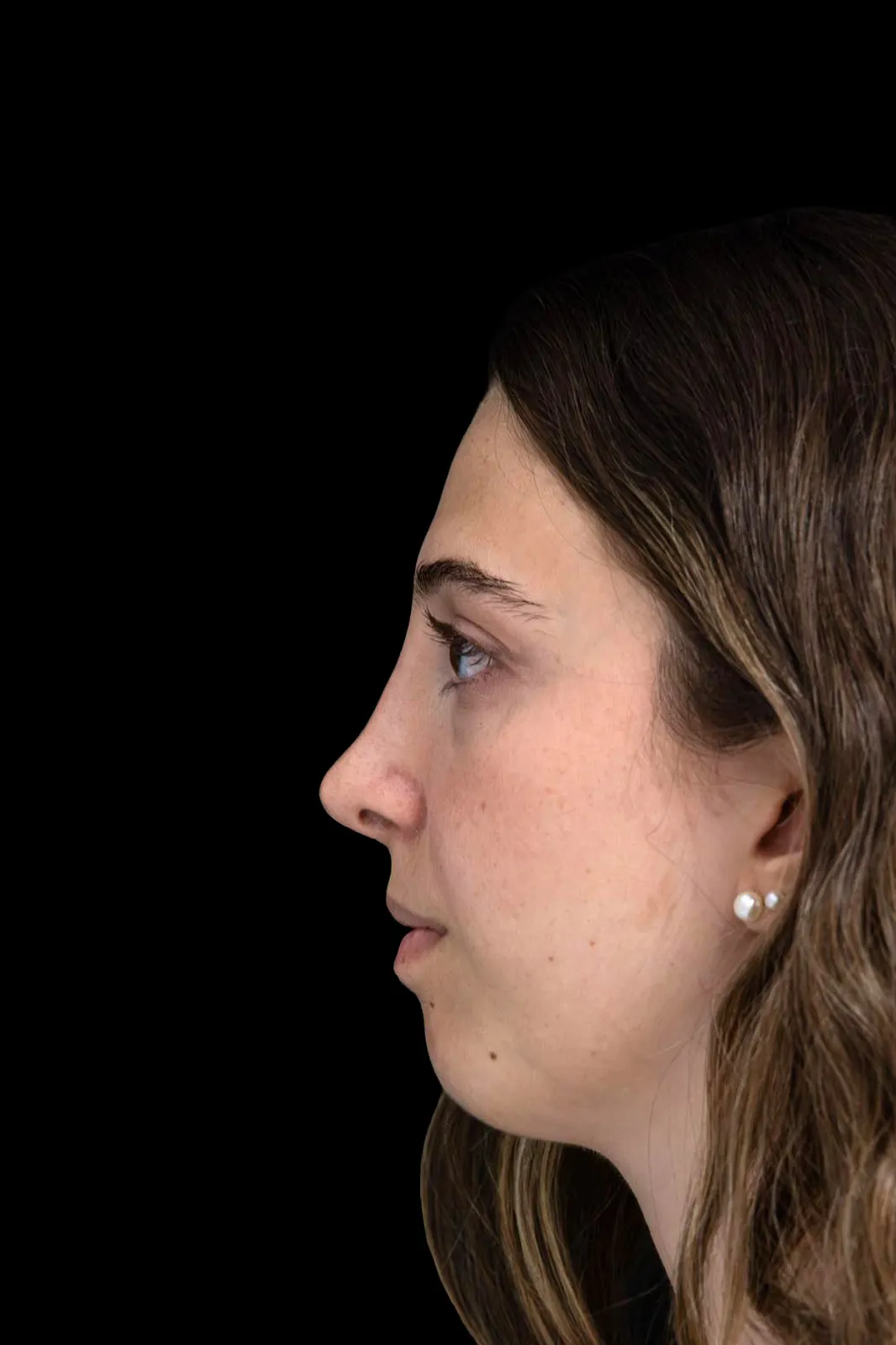
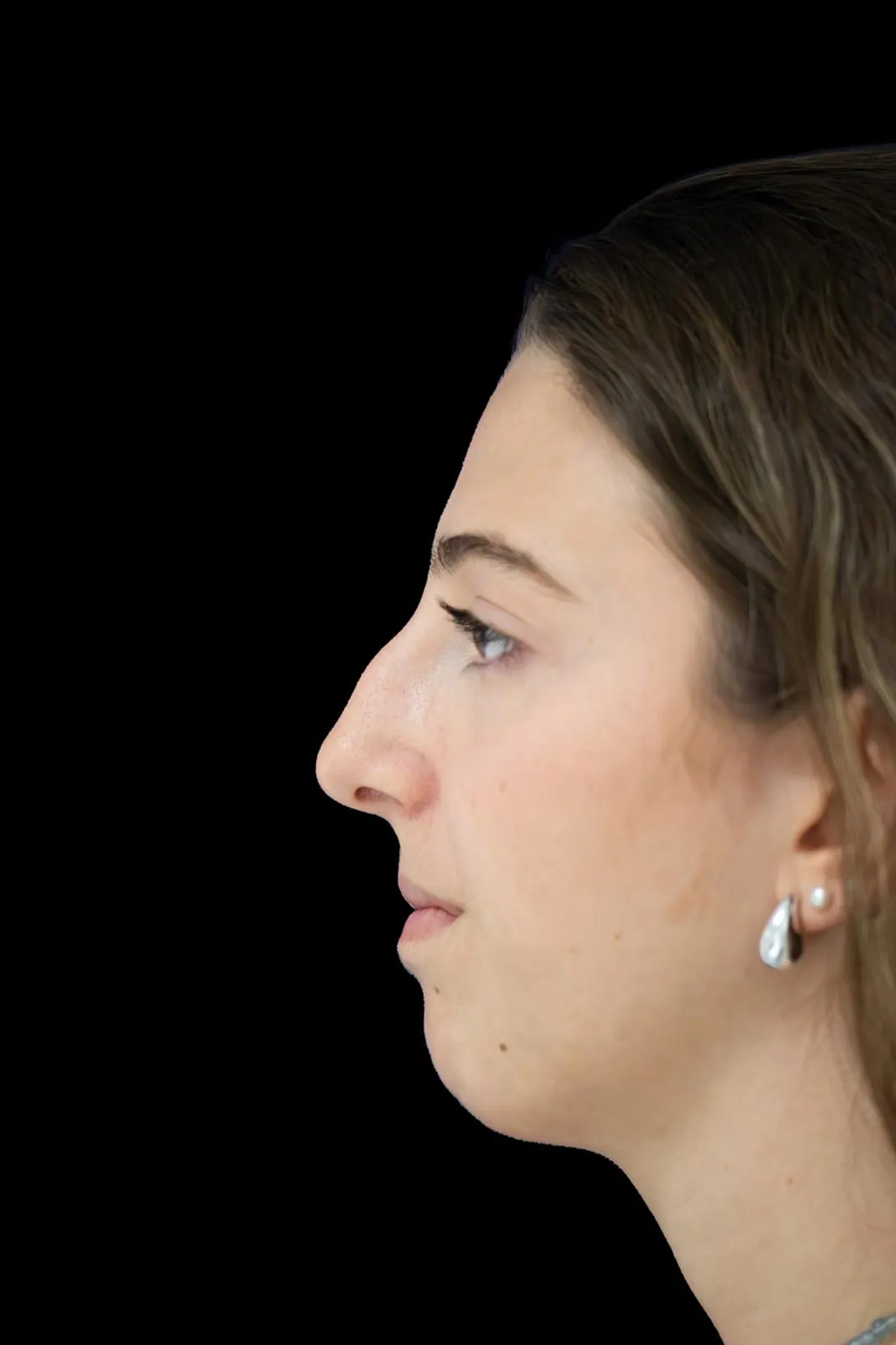
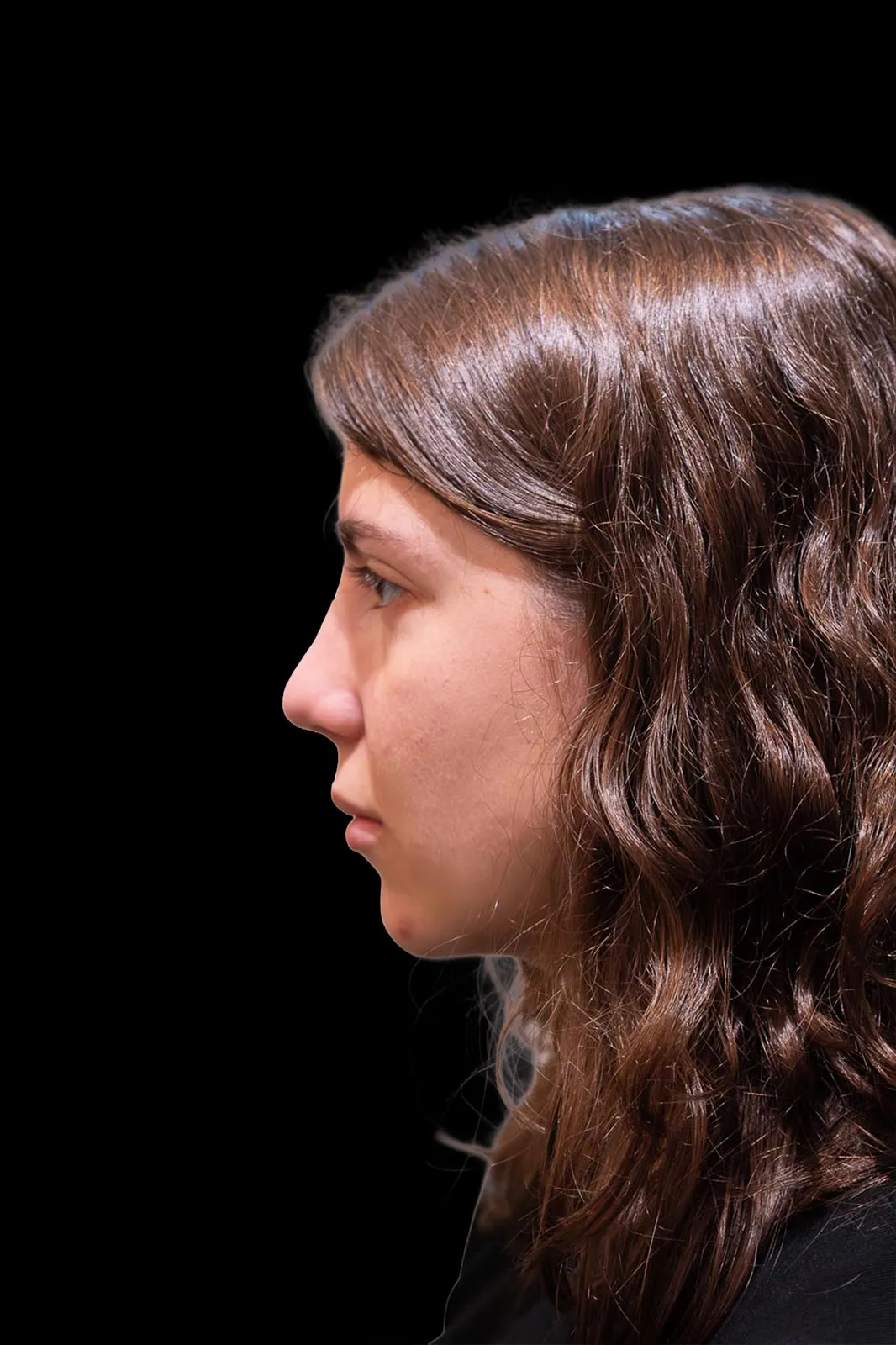
Successful cases
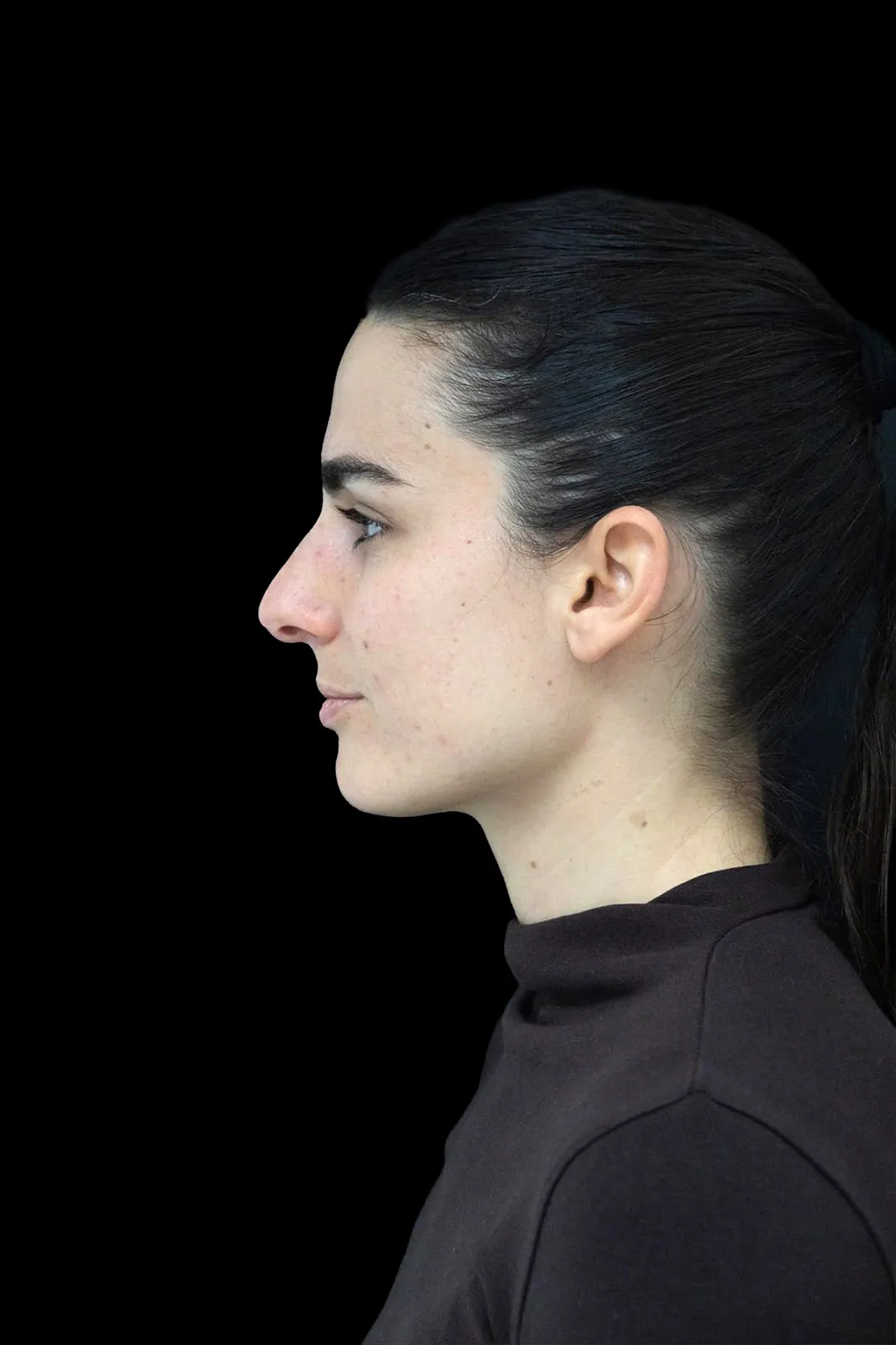
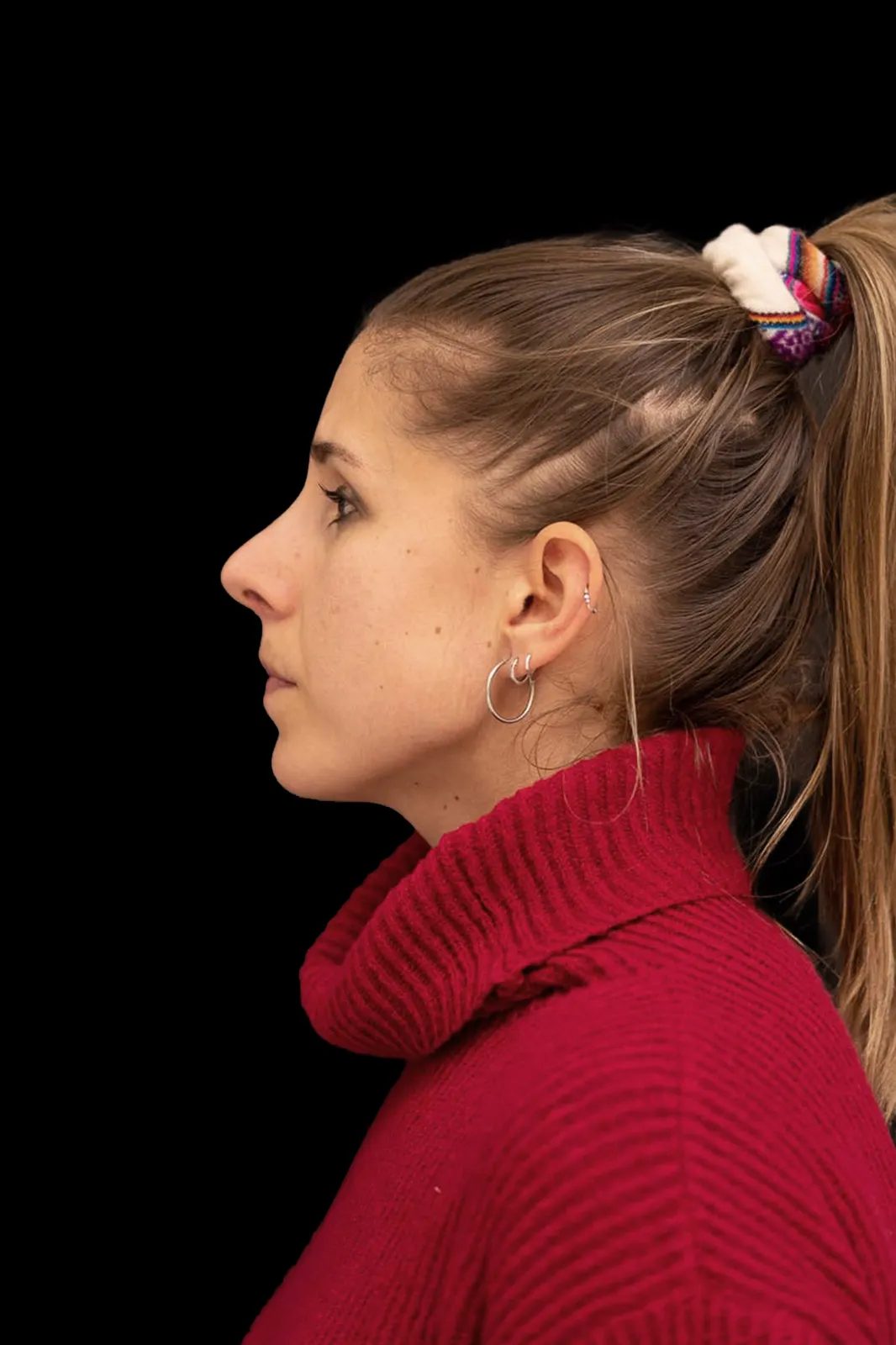
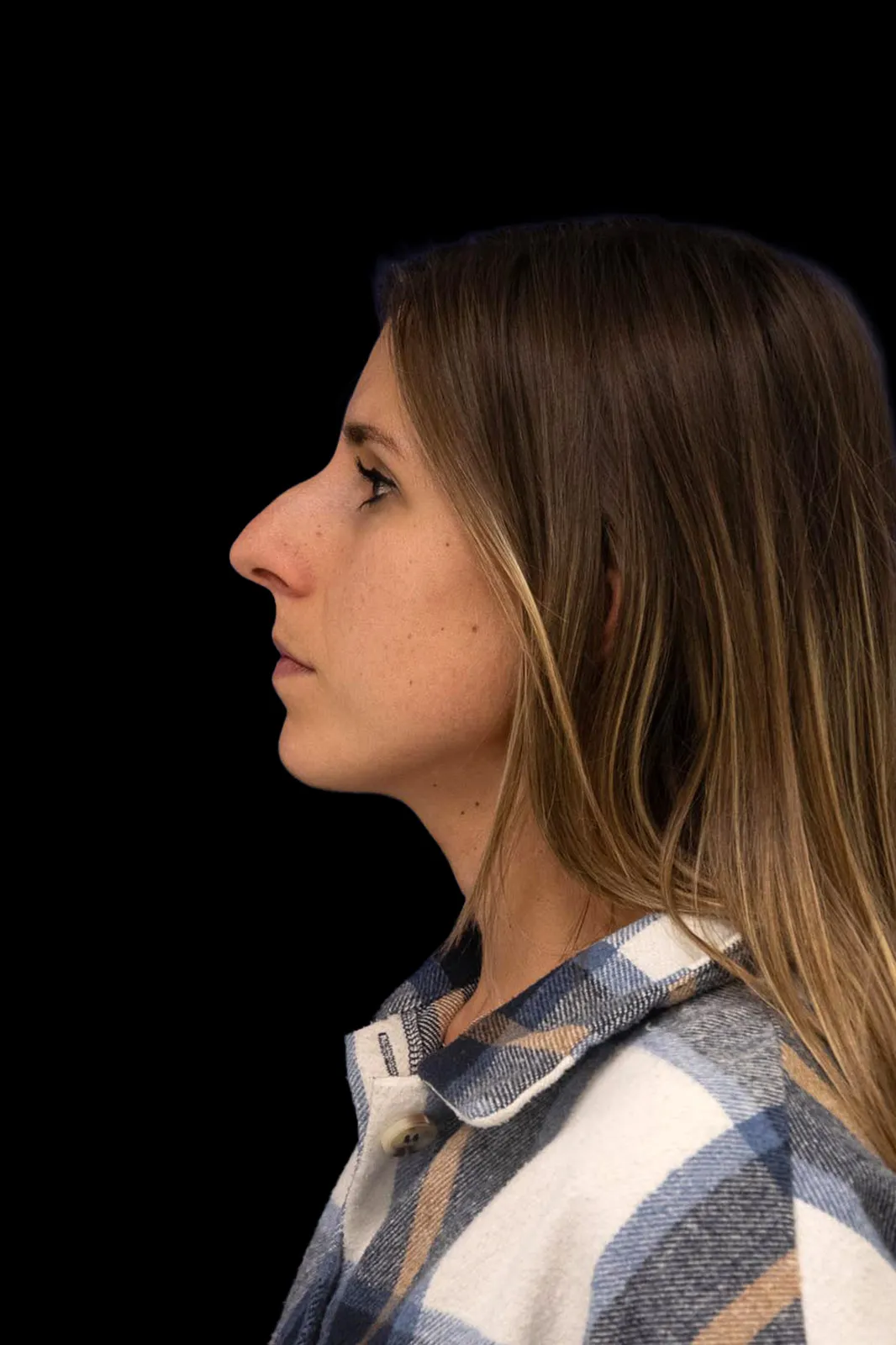
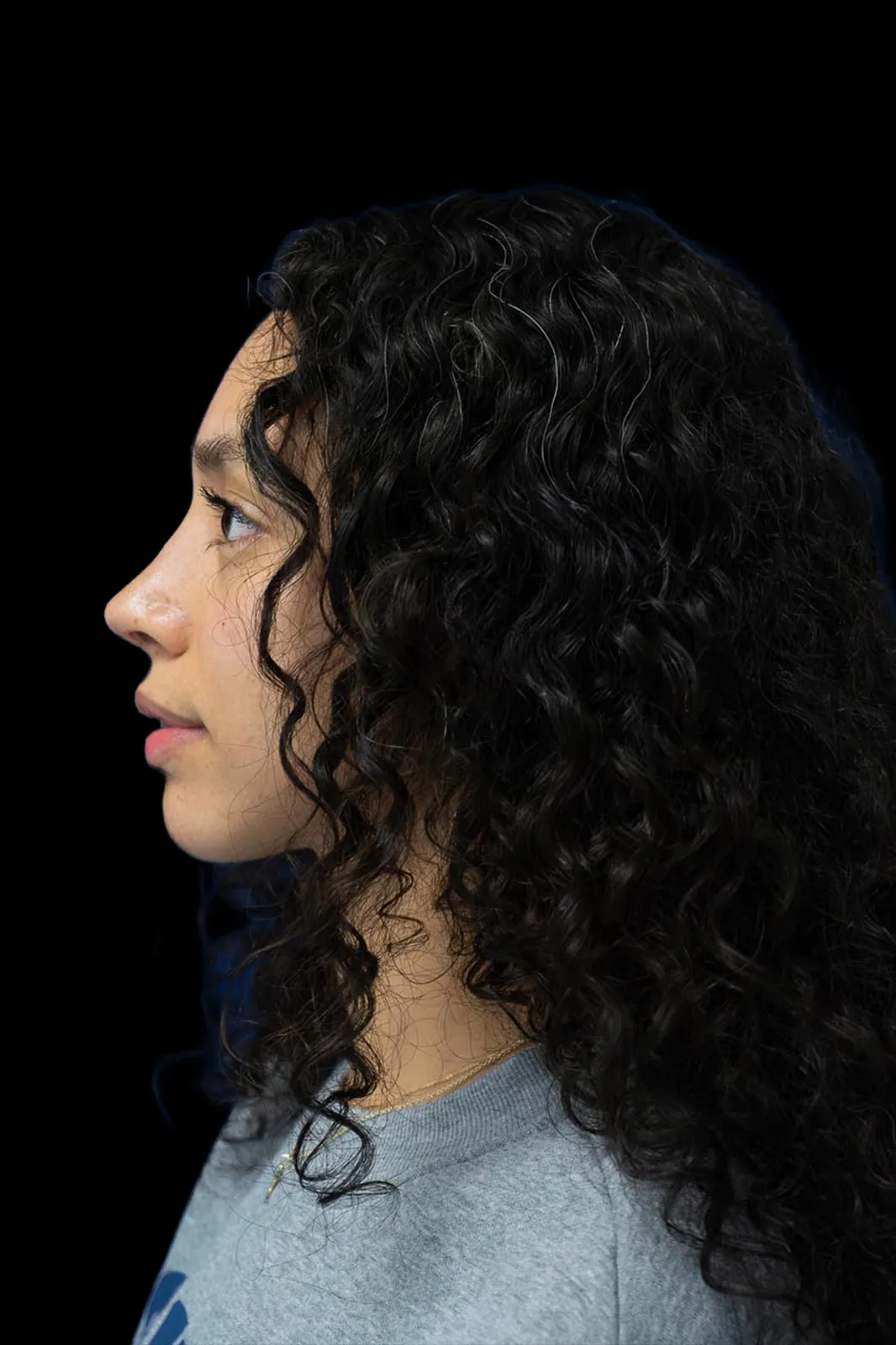
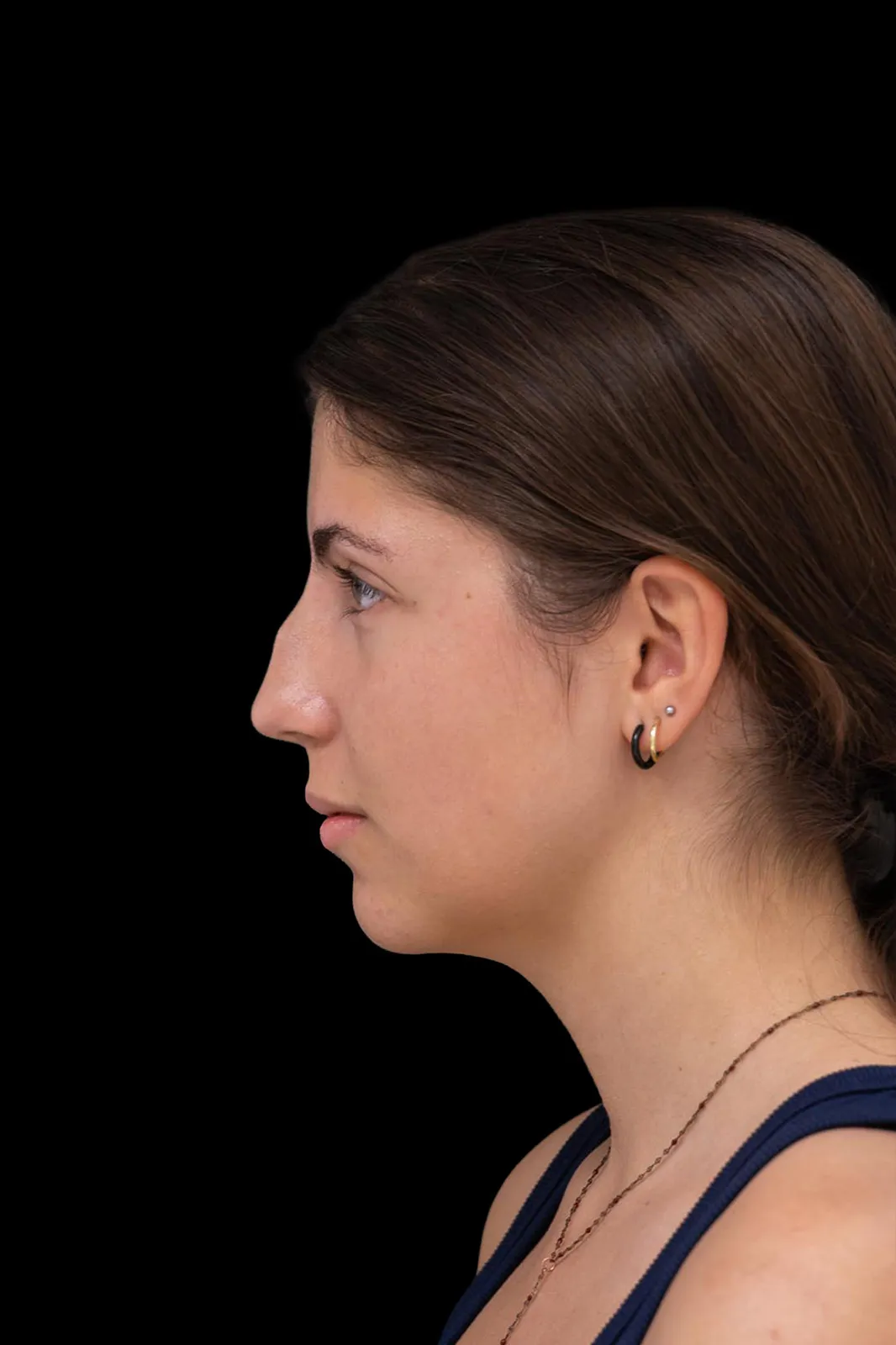
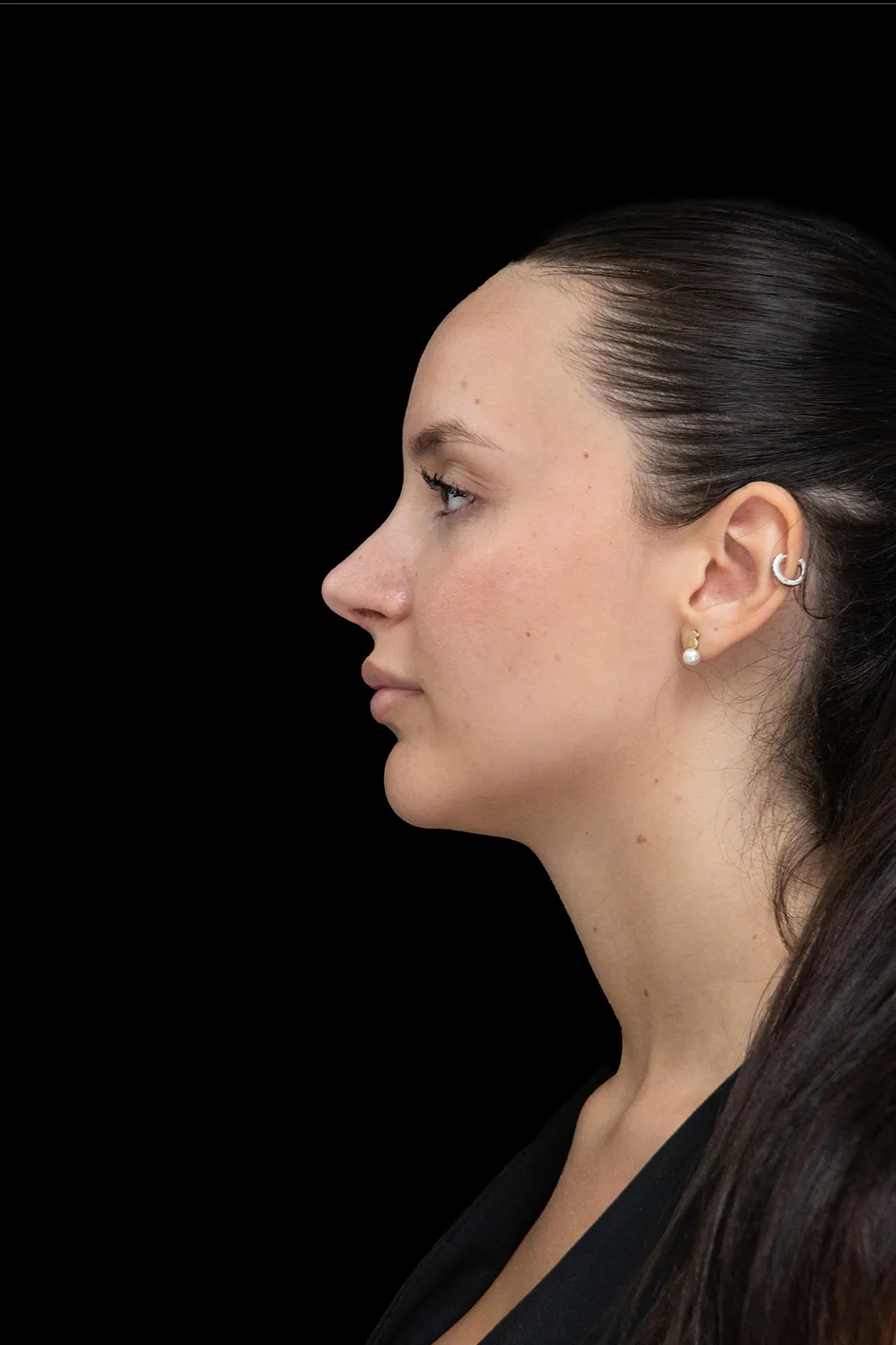
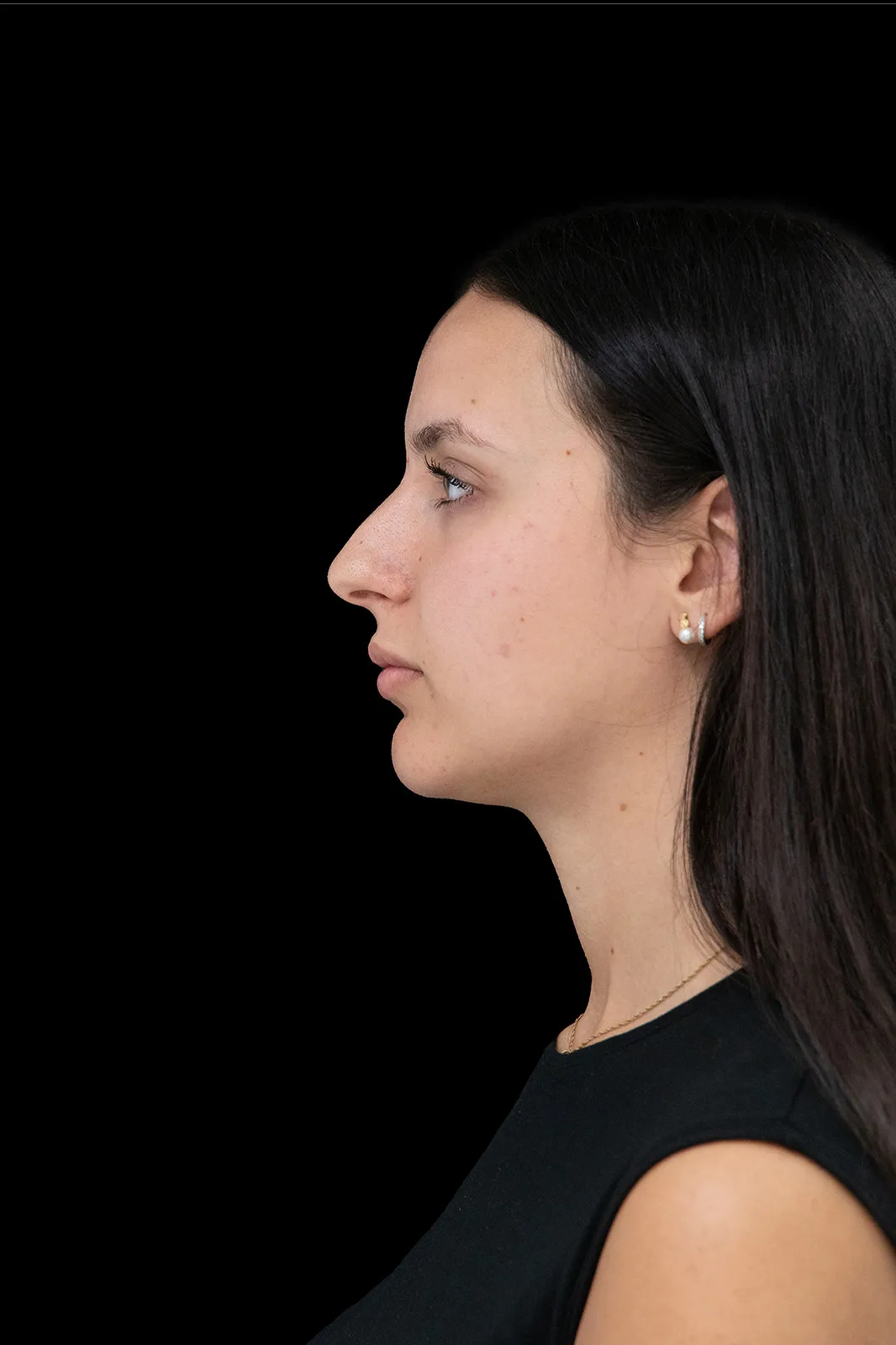
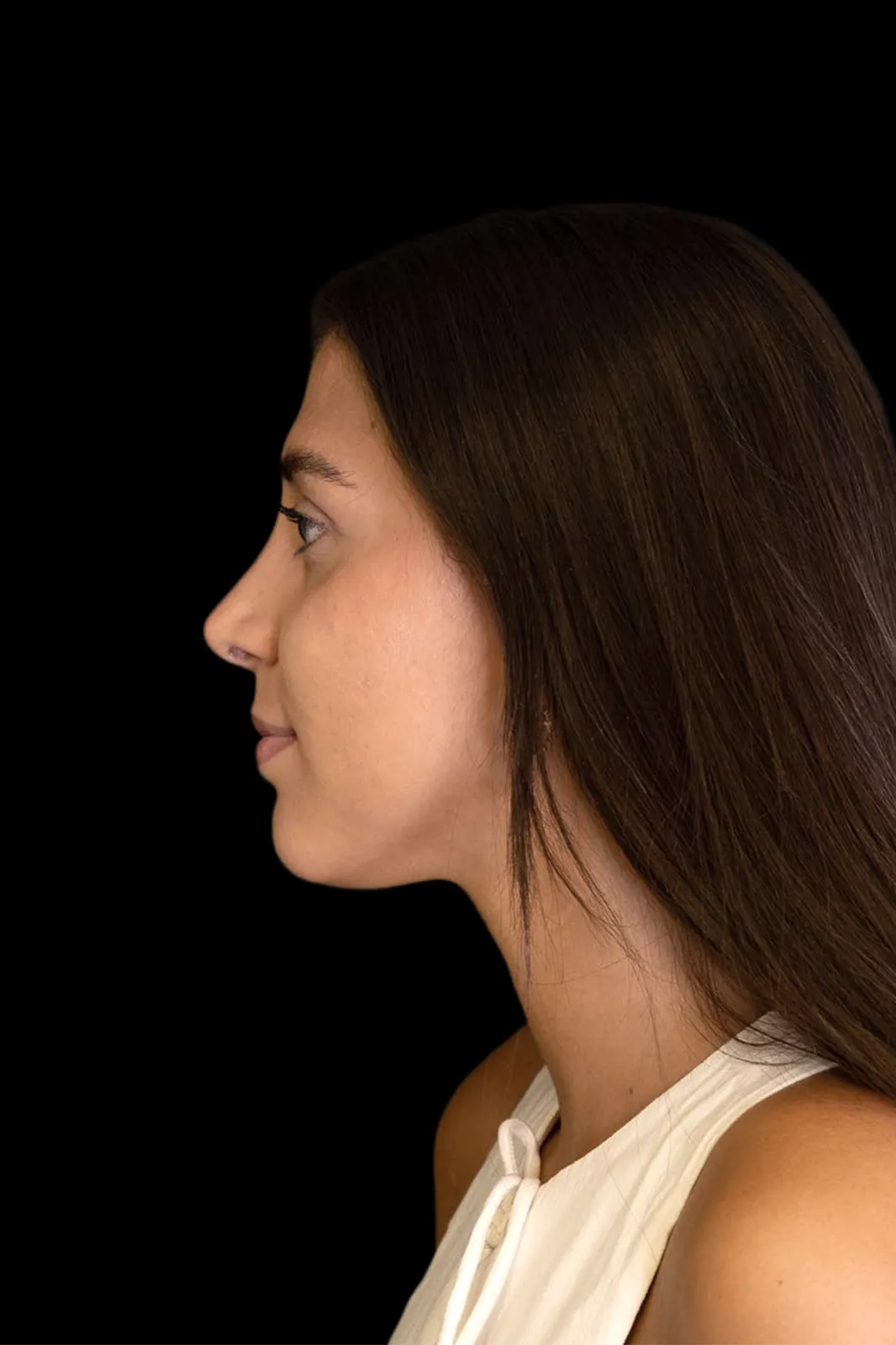
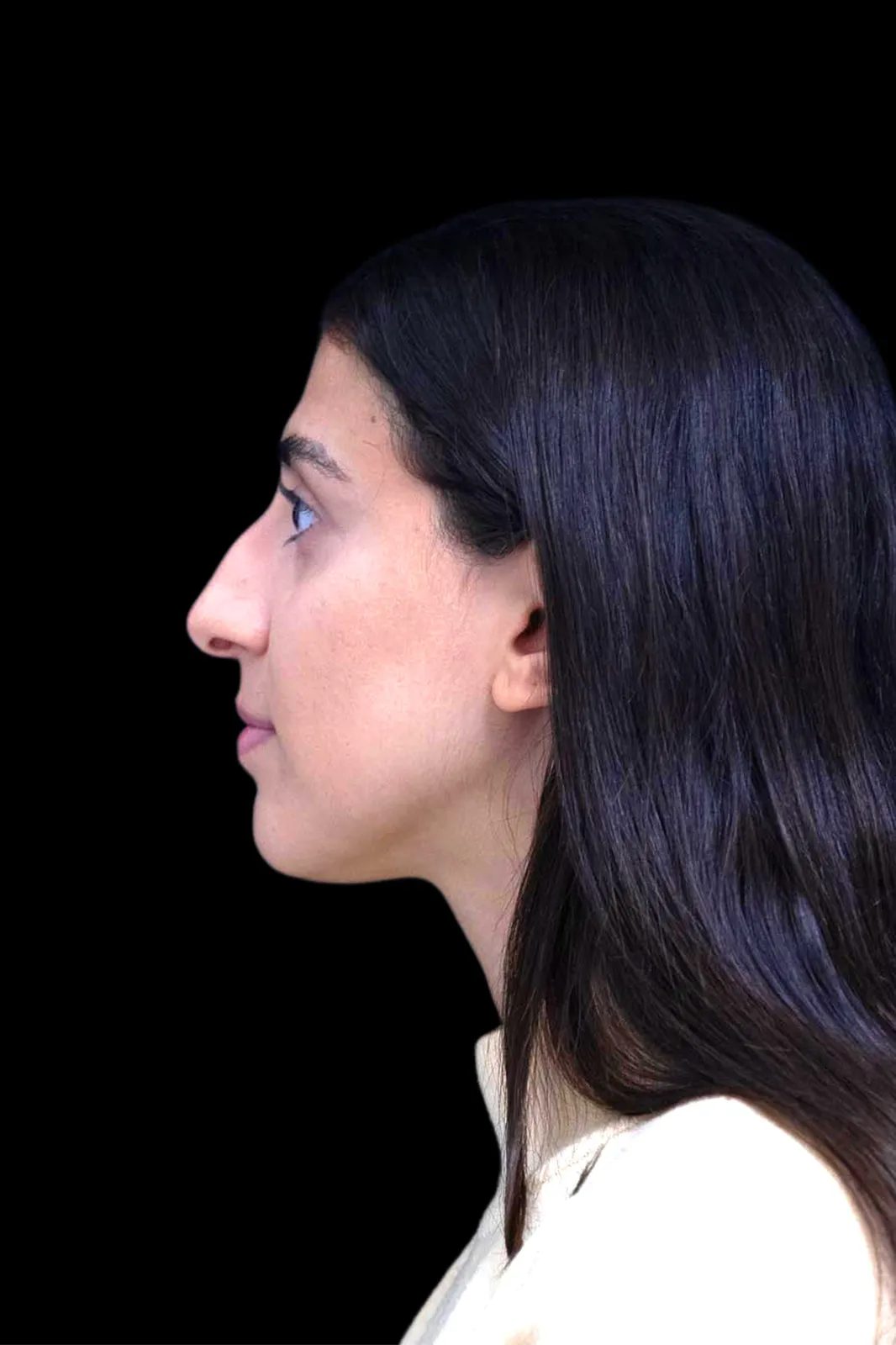
Personalised treatment for every case
Tell us about your case and which aspects of your nose you would like to improve, and we will advise you with no obligation.
Book a consultation and tell us about your caseWhat our patients say ★★★★★ on Google
4.7 out of 5 · 164 reviews on Google
See all reviews on Google