
Nasal reconstruction
Nasal reconstruction is a major surgical challenge, but it also gives creative surgeons the chance to combine innovation with technical precision. Correcting a nasal defect does not only conceal that defect: it restores the most prominent feature of the face.
Causes of nasal reconstruction
- Oncological
- Autoimmune
- Traumatic
- Iatrogenic (previous surgery)
- Congenital
- Nasal infections
- Drug inhalation
Although any of these causes is a challenge in nasal reconstruction, the challenge is usually even greater in patients who have suffered an addiction to intranasal drugs. Once that addiction has been overcome, the patient may feel stigmatised by the deteriorated state of their nose, which affects not only their facial appearance but also their emotional wellbeing and nasal function.
This causes a chronic loss of vascularisation because of the vasoconstriction the substance produces. That deficit of blood flow to the tissues causes significant damage, affecting:
- Bone.
- Cartilage.
- Sinonasal soft tissue.
Over time, this progressive damage can lead to:
- Septal perforation.
- Structural collapse of the nasal dorsum (saddle nose).
- Severe functional and aesthetic deformities.
Reconstruction in these cases faces not only the challenge of restoring the lost nasal structure, but also that of working with compromised tissue with insufficient vascularisation. This raises the risk of complications and calls for an extremely careful surgical approach, with an emphasis on techniques that maximise the recovery of function, appearance and the patient’s quality of life.
Key features
Internal involvement (lining): Intranasal cocaine abuse causes a chronic loss of vascularisation, since the substance produces vasoconstriction. The resulting deficit of blood reaching the tissues makes them suffer, causing significant damage to bone, cartilage and sinonasal soft tissue. This can lead to lesions ranging from septal perforations under 1 cm to perforations (necrosis) affecting practically the whole septal cartilage, osteocartilaginous necrosis, perforation of the hard palate and ulceration of the pharyngeal wall. For the internal reconstruction of nasal perforations, various techniques are used with local endoscopic flaps, such as the anterior ethmoidal artery flap, the greater palatine artery flap and lateral nasal wall flaps.
Osteocartilaginous involvement: To rebuild the nasal structure it is necessary to create a new structure, since the original has been damaged or completely necrosed by the addiction. As for cartilage, as mentioned under revision rhinoplasty, one or two rib cartilages are used, depending on the damage to be repaired. This costal approach, the same one used in revision rhinoplasty, also allows work with fat tissue, muscle fascia and costal perichondrium.
External or skin involvement: Because of prolonged chronic damage from the addiction, or from very intense periods of it, the state of the skin is far from what would be seen in other causes of nasal reconstruction. In these cases the skin is extremely retracted, lacking elasticity and fibrotic and, in most cases, even after resolving the internal lining problem and the osteocartilaginous reconstruction, it does not allow adequate closure. Here it is necessary to resort to local skin flaps to obtain skin from areas around the nose, since the patient’s nasal skin is too deteriorated. Clearly, the more damaged the nose, the greater the need for these flaps.
The flaps most used in these cases are:
- The philtrum flap.
- The nasolabial flap.
- The pericranial flap.
- The V-Y advancement flap.
- The forehead flap.
Successful cases
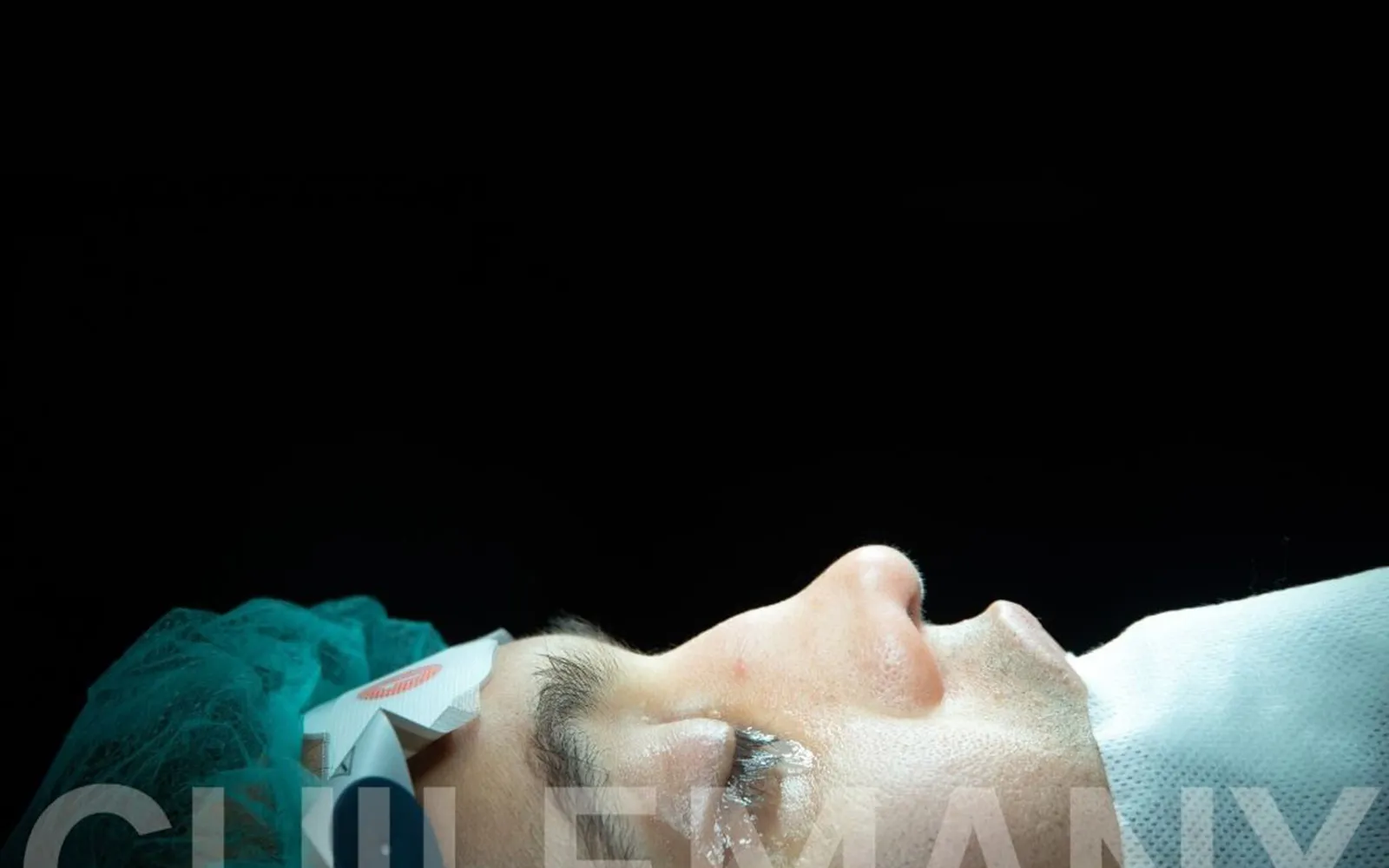
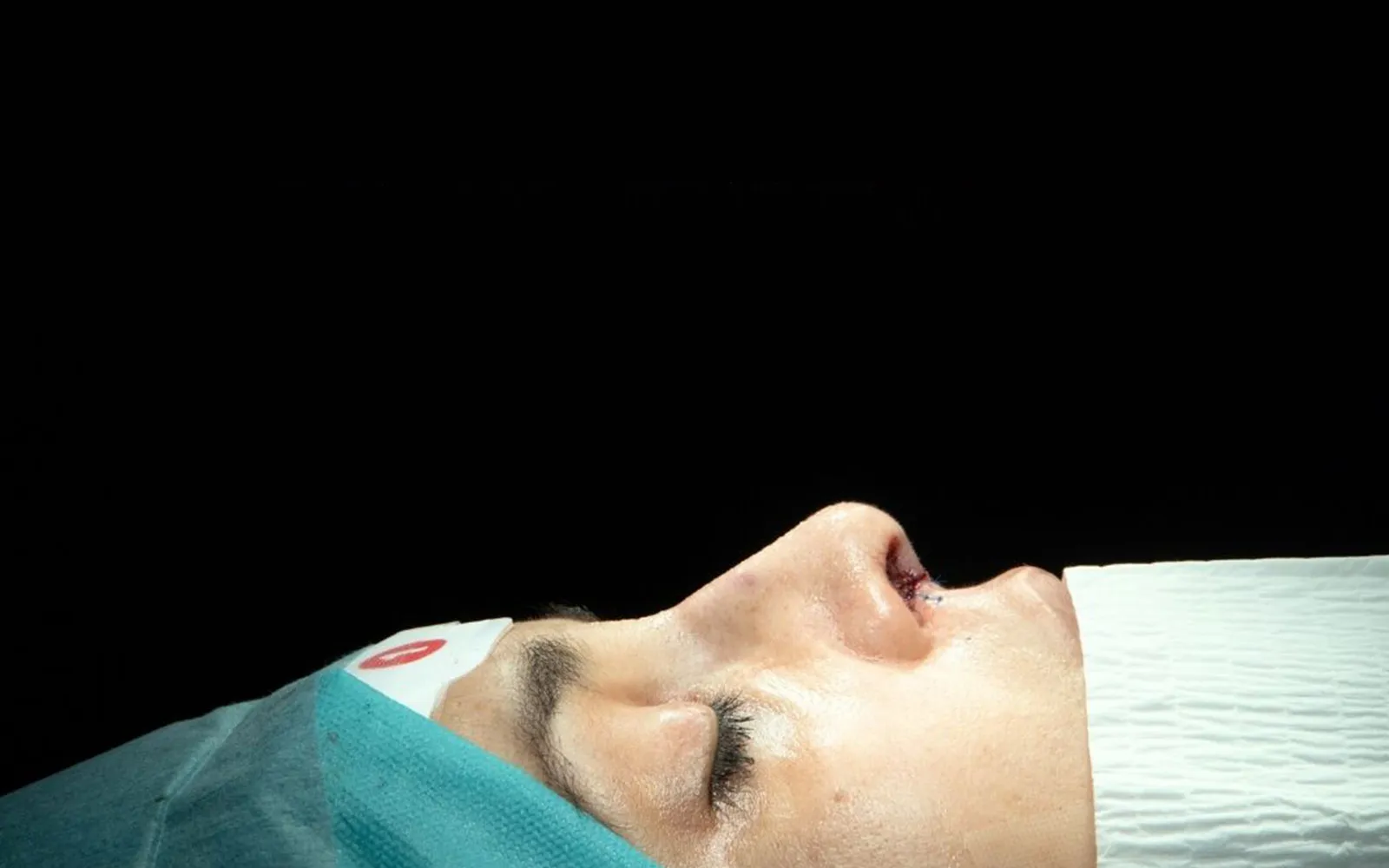
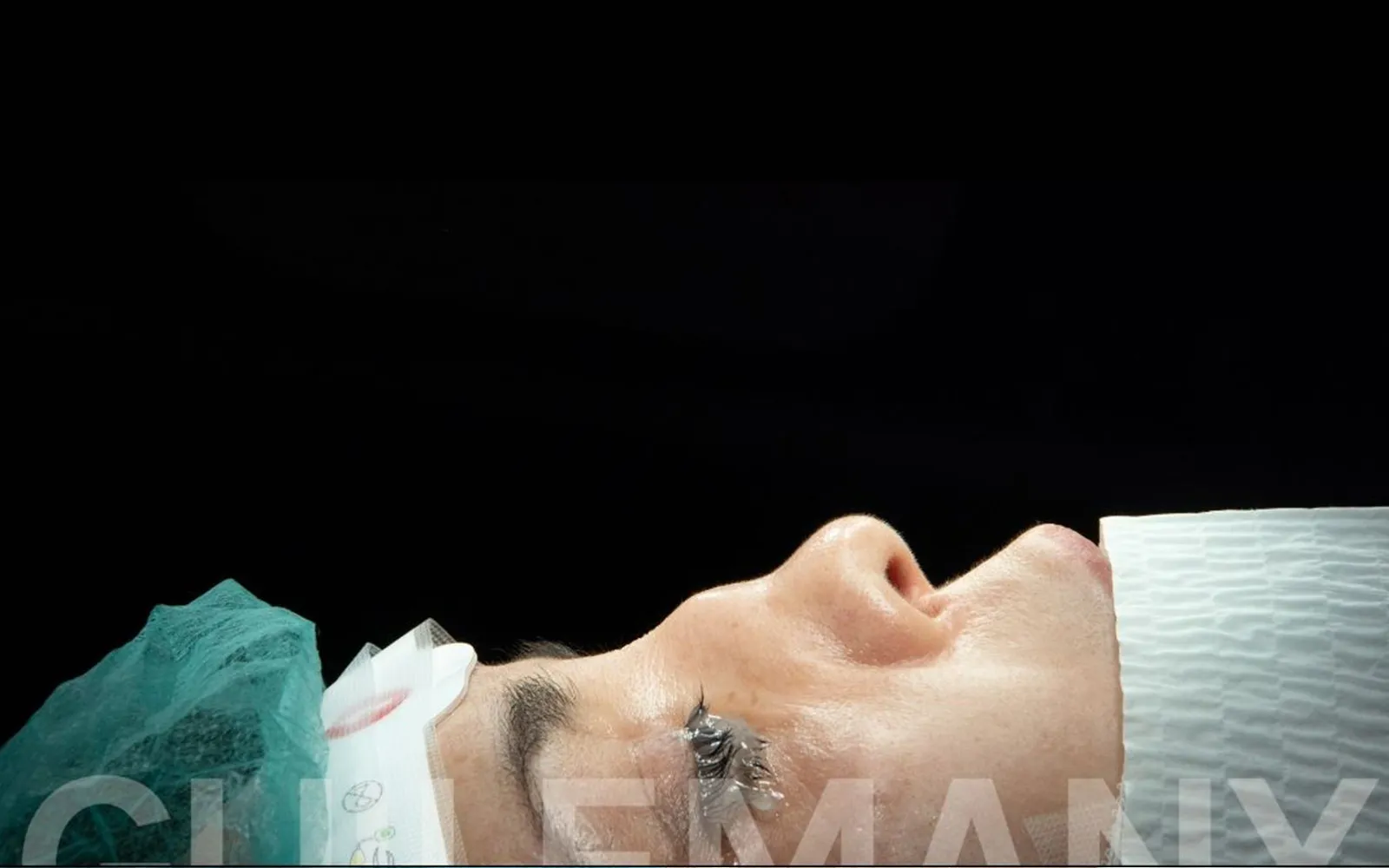
Personalised treatment for every case
Tell us about your case and which aspects of your nose you would like to improve, and we will advise you with no obligation.
Book a consultation and tell us about your caseWhat our patients say ★★★★★ on Google
4.7 out of 5 · 164 reviews on Google
See all reviews on Google