
Secondary rhinoplasty in Barcelona
Correcting a previous rhinoplasty safely: reconstruction with cartilage grafts, bringing together aesthetics and breathing, in the hands of an ENT and facial surgeon.
Secondary rhinoplasty is the surgery performed on a nose that has already been operated on, to correct or improve the result of a previous procedure. It is one of the most demanding procedures in facial surgery: it means working on scarred tissue with limited cartilage, so it requires a surgeon with proven experience. In Barcelona, Dr. José Mª Guilemany — an ENT and facial surgeon — approaches each case bringing aesthetics and breathing together.
years of experience
rhinoplasties
164 Google reviews
Why doesn't a first rhinoplasty give the expected result?
It is not always a question of malpractice. A nose may need a second operation for several reasons: an initial technique that was too aggressive and weakened the structure, over-resection (more cartilage or bone was removed than necessary), scarring that has deformed the tip or the dorsum over time, or expectations that were not properly set at the first consultation. It is also common for a previous aesthetic rhinoplasty to have made breathing worse by not taking nasal function into account.
Signs that you may need a secondary rhinoplasty
- A drooping, crooked, pinched or over-rotated tip after the first surgery.
- An irregular dorsum, with depressions or a hump that has reappeared.
- An over-operated or too-small nose, with an unnatural appearance.
- Difficulty breathing that has appeared or worsened since the operation.
- Asymmetries or a result that does not match what you were looking for.
Cartilage grafts: the key to reconstruction
In a re-operated nose the available cartilage is usually reduced, so reconstruction with grafts is the basis of the result. Depending on the case, cartilage is taken from the patient's own septum, ear (auricular) or rib (costal) when more volume or firmness is needed. These grafts restore support to the tip, rebuild the dorsum and stabilise the structure so that the result is natural and stable over time.
Functional secondary rhinoplasty: getting breathing back
Because Dr. Guilemany is an ENT specialist as well as a facial surgeon, secondary rhinoplasty is not limited to aesthetics: in the same operation he assesses and corrects the breathing function (septum, nasal valve, turbinates) that is often damaged after a first surgery. That is the advantage of being operated on by a specialist who masters both shape and breathing. You can see the technique under ultrasonic rhinoplasty.
Why the surgeon's experience is decisive
Secondary rhinoplasty is not a standard operation: every re-operated nose is unique and demands meticulous planning and technical precision. Dr. Guilemany brings more than 25 years and over 3,000 nose surgeries, with a 5★ rating on Doctoralia and TopDoctors. If your first operation did not go the way you hoped, a detailed assessment is the first step to recovering both harmony and breathing. See also our page on revision rhinoplasty.
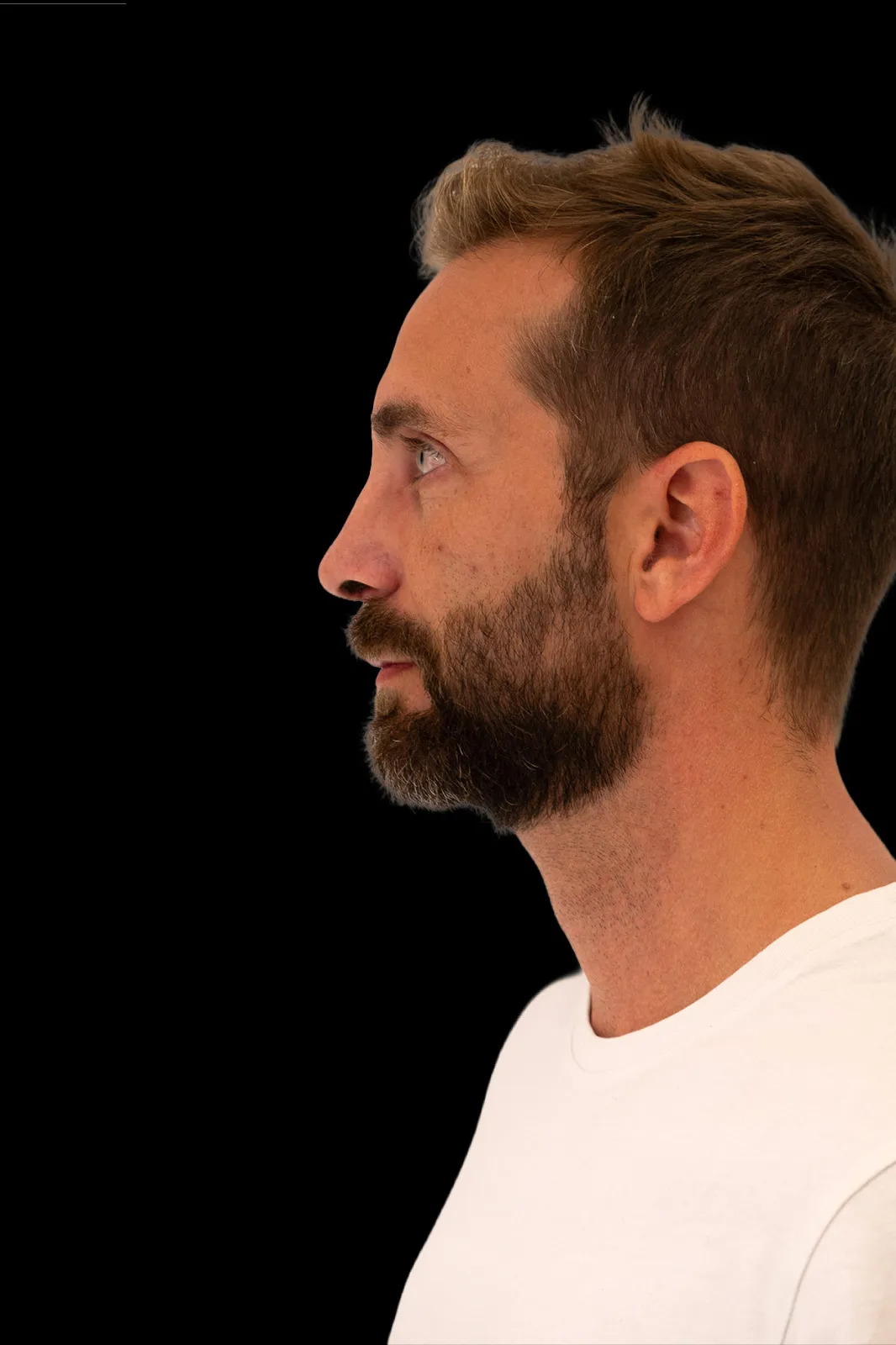
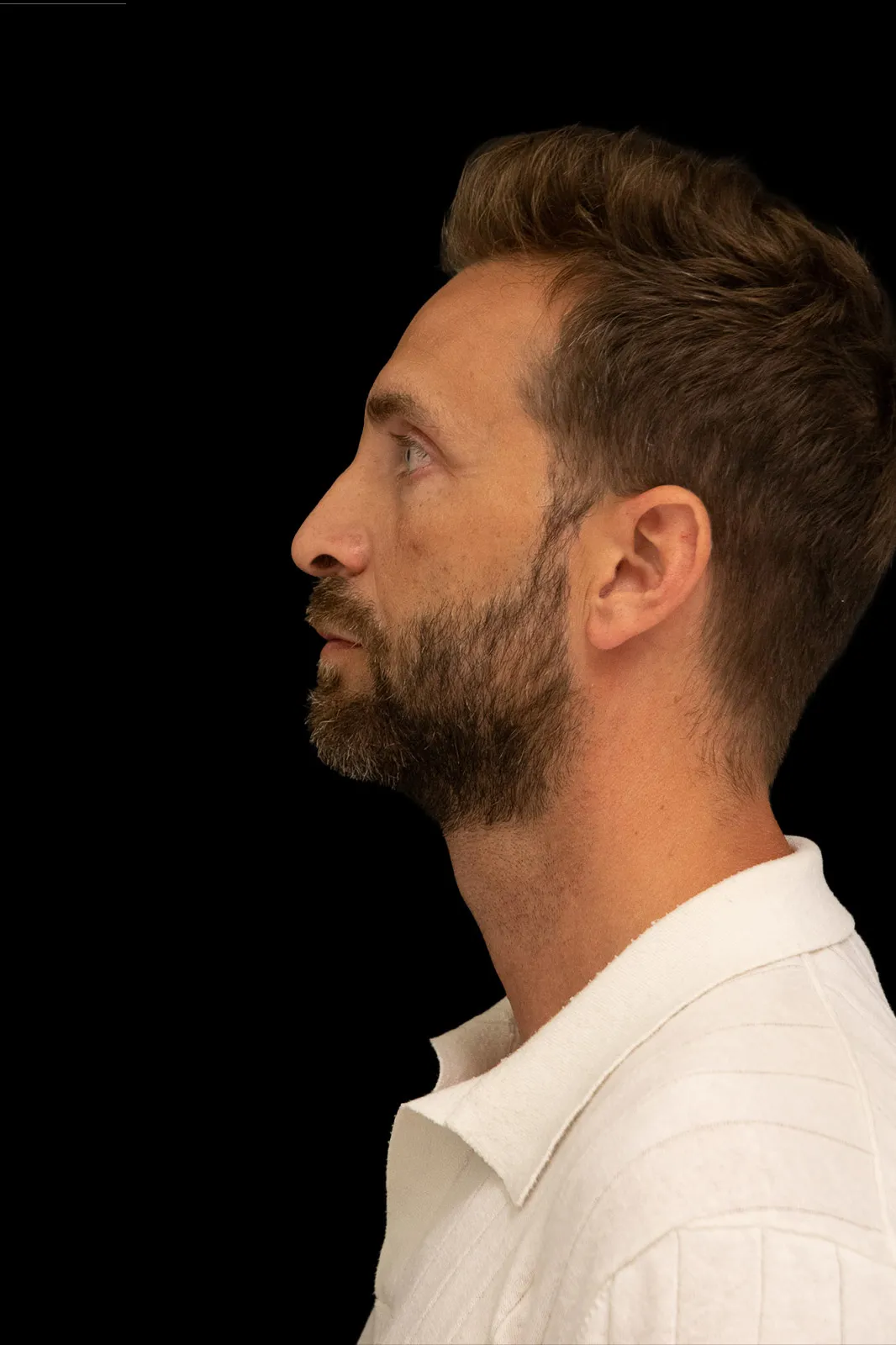
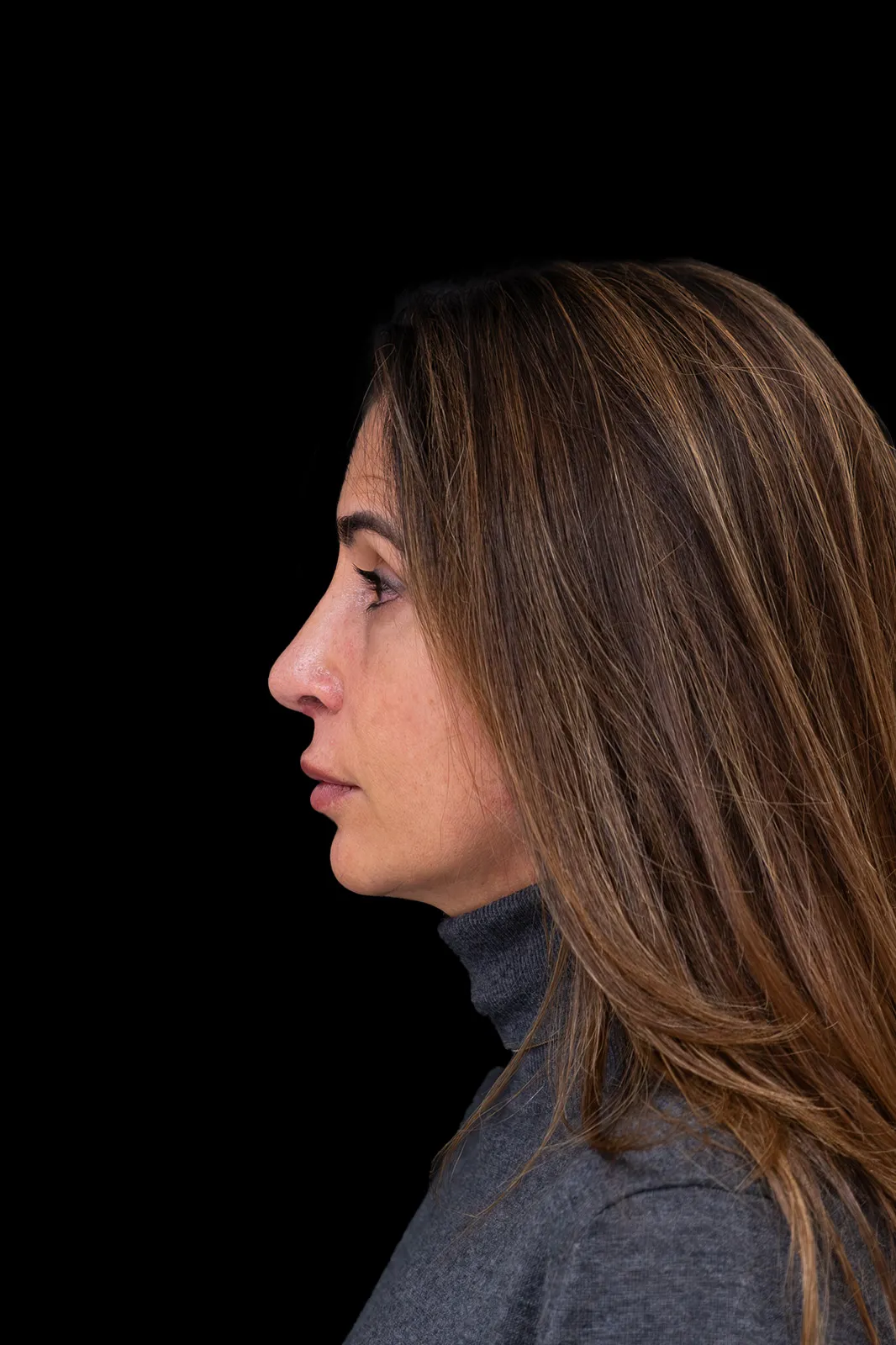
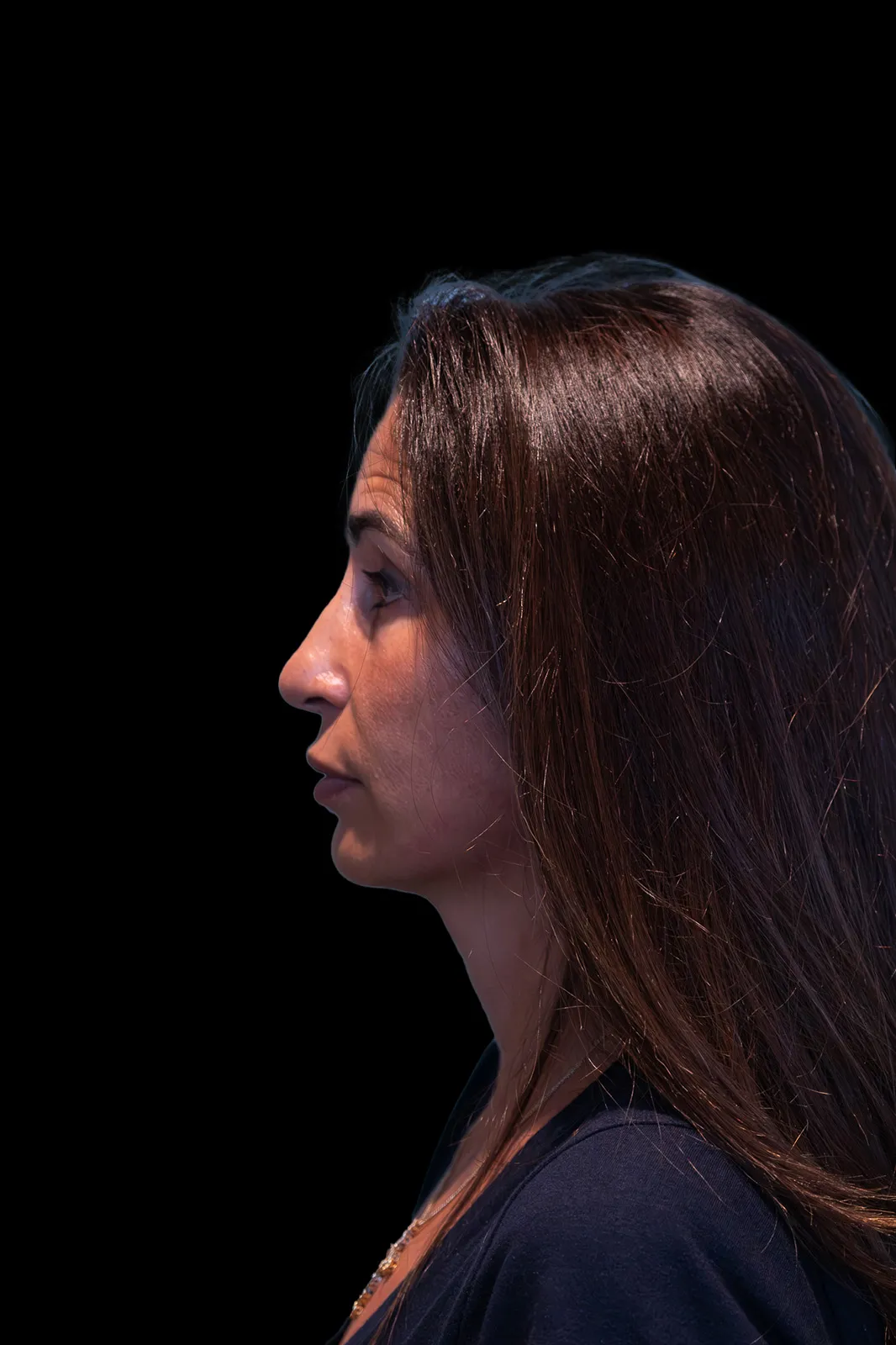
Real secondary rhinoplasty cases: before and after
Drag the bar to compare before and after. These are real secondary rhinoplasty patients operated on by Dr. Guilemany in Barcelona.
Where we operate in Barcelona
Barcelona
Centro Médico Teknon
Consultorios Vilana (Office 194), Carrer de Vilana 12, 08022 Barcelona
You can also see real cases in the before and after gallery.
Frequently asked questions
How long after the first rhinoplasty can I have surgery again?
As a general rule, it is best to wait until the tissues have healed completely, usually from 12 months onwards. Operating earlier, before the nose has stabilised, makes both the assessment and the result more difficult.
Is secondary rhinoplasty harder than the first one?
Yes. It means working on scar tissue with less cartilage available, so it demands more experience, more planning and, frequently, grafts to rebuild the structure.
Where does the cartilage for the grafts come from?
From the patient: from the nasal septum, the ear or the rib, depending on how much cartilage and how much firmness each case needs. It is the patient's own cartilage, so it integrates naturally.
Can an over-operated or too-short nose be fixed?
In most cases yes. Grafts can restore support, lengthen the nose and rebuild a tip or a dorsum that was left weakened by the first surgery.
Does the second operation also improve breathing?
Yes. As Dr. Guilemany is an ENT specialist, secondary rhinoplasty corrects both the aesthetics and the breathing problems (septum, valve, turbinates) that often appear after a first operation.
How many times can a nose be operated on?
There is no fixed number: it depends on the state of the tissues and the cartilage available. Each further operation is more delicate, which is why planning the secondary surgery well — so that it is the last one — matters so much.
Personalised treatment for every case
Tell us about your case and which aspects of your nose you would like to improve, and we will advise you with no obligation.
Book a consultation and tell us about your caseWhat our patients say ★★★★★ on Google
4.7 out of 5 · 164 reviews on Google
See all reviews on Google