
Ultrasonic vs traditional
How they differ, what ultrasound brings and which suits each case.
The main difference between ultrasonic and traditional rhinoplasty lies in how the nasal bone is worked: the ultrasonic technique sculpts it precisely with ultrasound, while the traditional one uses manual instruments (rasps and chisels). The result: with ultrasound there is usually less bruising, less swelling and a more comfortable recovery.
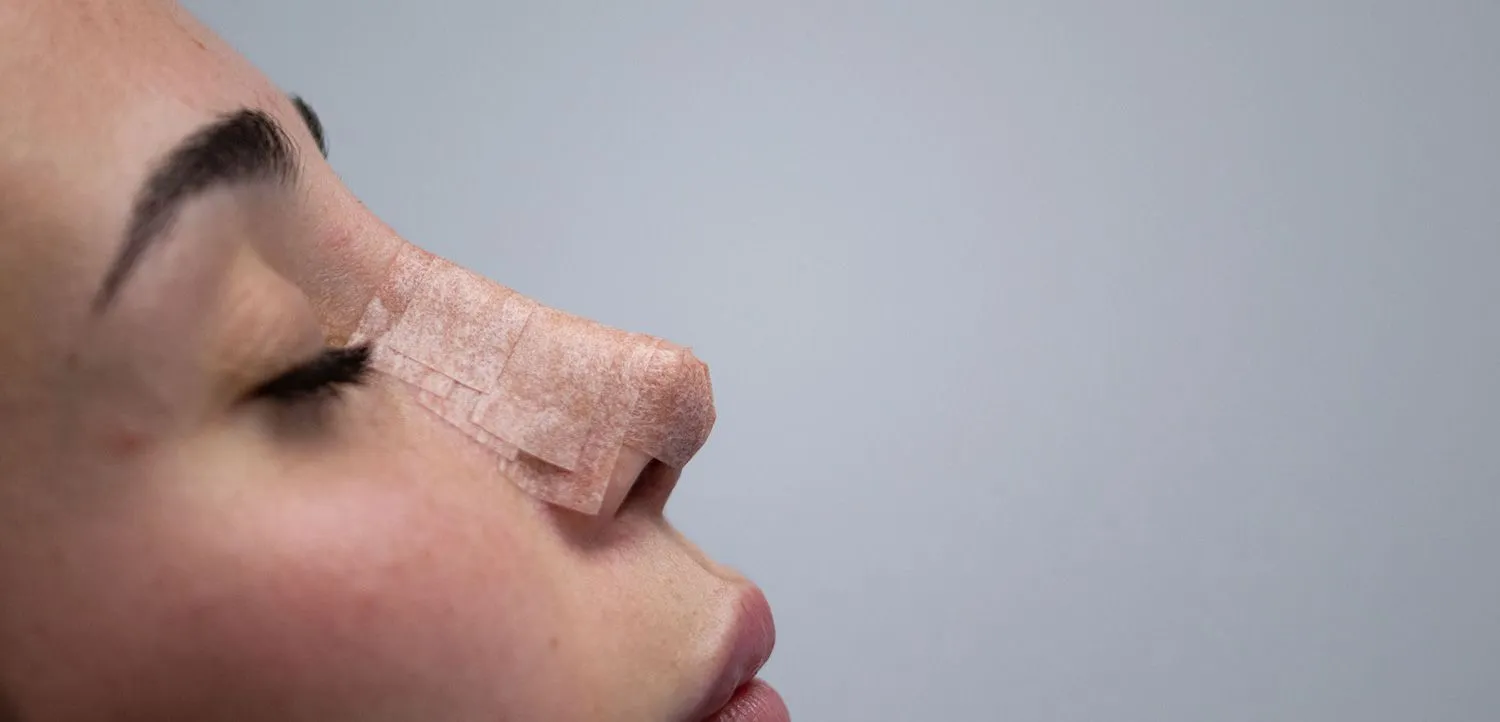
What is traditional rhinoplasty?
It is the classic technique: the surgeon reshapes the nasal bone with manual instruments (chisels, rasps and a mallet). It is an effective and well-proven technique, but acting on the bone mechanically can produce more uncontrolled micro-fractures, which often means more bruising and inflammation.
What is ultrasonic rhinoplasty?
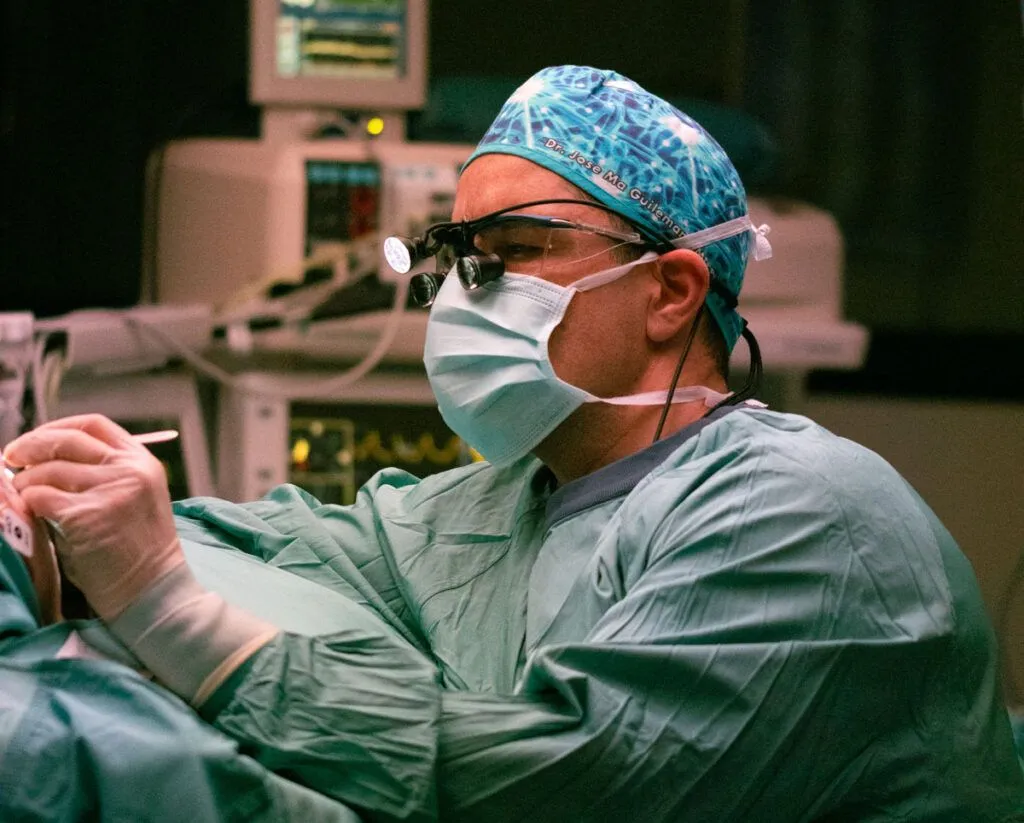
Ultrasonic rhinoplasty uses an ultrasound (piezoelectric) device that sculpts the bone with millimetric precision and preserves the surrounding soft tissue (mucosa, blood vessels and cartilage). It allows the nasal dorsum to be refined in a very controlled way, which makes the result more predictable.
Key differences
| Ultrasonic | Traditional | |
|---|---|---|
| Working the bone | Ultrasound, precise and selective | Manual instruments |
| Bruising and swelling | Less in most cases | More frequent |
| Precision on the dorsum | Very high | Good |
| Recovery | Usually more comfortable | Somewhat more uncomfortable |
| Nasal packing | In most cases, none | Variable |
Advantages of the ultrasonic technique
- Less bruising and swelling, because the tissue is better preserved.
- Greater precision when sculpting the nasal dorsum.
- A recovery that is usually more comfortable and discreet.
- In most cases, no nasal packing.
Which is better for you?
There is no single answer: it depends on your nose, your goals and whether you also need breathing corrected. What matters is not just the technique but the surgeon’s experience with it. Dr. Guilemany works with ultrasonic technique and brings more than 25 years of experience and over 3,000 rhinoplasty procedures. The best way to decide is a first assessment.
Want to know what recovery is like? We set it out in rhinoplasty recovery.
Frequently asked questions
Is ultrasonic rhinoplasty better than the traditional technique?
It brings clear advantages (less bruising, more precision and a more comfortable recovery), but the decisive factor is still the surgeon’s experience with the technique and the right indication for each nose.
Does one hurt more than the other?
Both are performed under general anaesthetic, so there is no pain during surgery. Afterwards, the ultrasonic technique usually involves less discomfort and swelling.
Does the ultrasonic technique work for every case?
It is very versatile and is used in most rhinoplasties, including revisions. At the assessment we confirm whether it is the best option for your case.
Is recovery faster with ultrasound?
Usually yes: with less bruising and swelling, many patients find getting back to social life more comfortable. The splint is removed after a week in both cases.
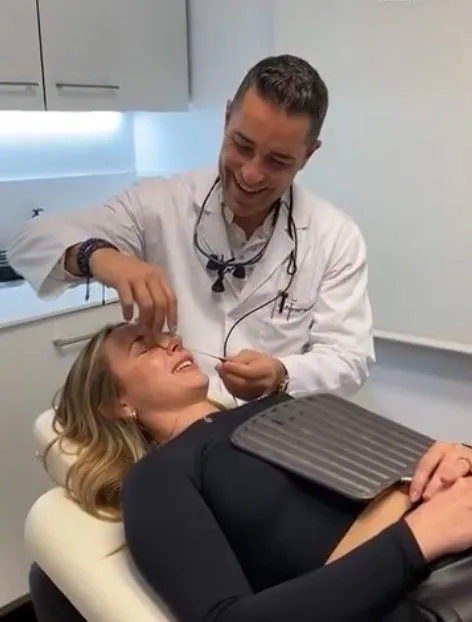


Personalised treatment for every case
Tell us about your case and which aspects of your nose you would like to improve, and we will advise you with no obligation.
Book a consultation and tell us about your caseWhat our patients say ★★★★★ on Google
4.7 out of 5 · 164 reviews on Google
See all reviews on Google